

 [This post is written in response to the chilling effect taking place in the U.K. since the Woolwich Attack. It is also in response to the uses of the Public Order Act of 1986.]
In any “liberal democracy” that has constitutional protections for “free speech,” there will also be laws against “inciting violence,” “hate speech,” “threats,” “slander,” “libel,” “harassment,” and other “speech codes.” This is because the government, or those who voted on the passing of such laws, worry about the potential threat un-regulated speech will have on the levels of violence and disharmony in society. They worry about people being able to yell “fire!” in a theatre, which can cause (which is a key word here for legal reasons) physical harm, not being held liable for such speech. As much as I understand these worries, I am of the opinion that the potential evils brought about by a lassez-faire approach to speech morally outweigh the evils of blasphemy laws and censorship. Continue reading ““Free-Speech or Speech-Free?” by Kile Jones”


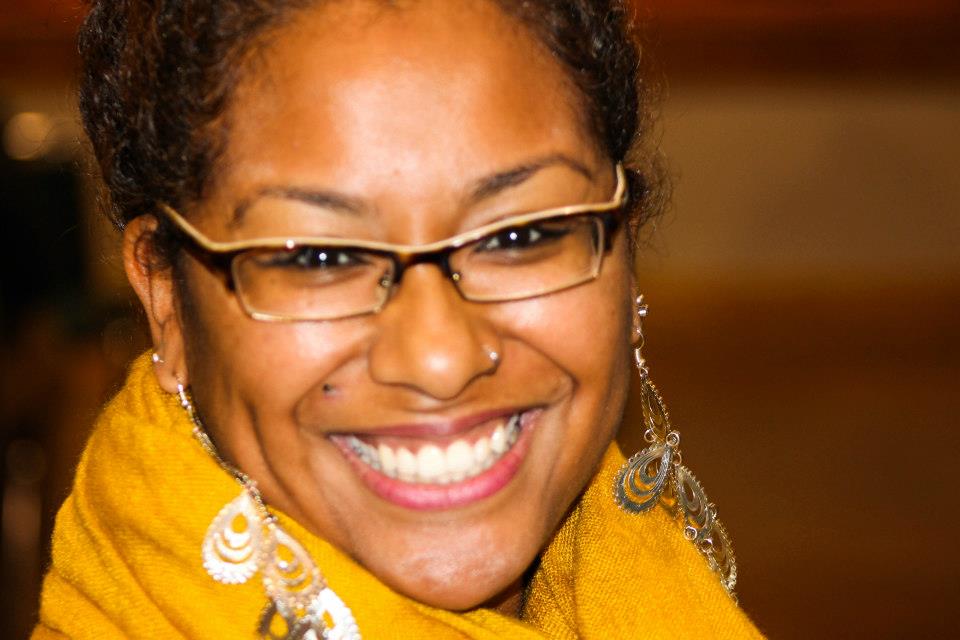


![2013-05-13-BethWinegarner.jpg David Kinnaman and Gabe Lyons in their book unChristian, of the majority religion, Beth Winegarner noted that a lot of teens have "lost respect, because they find [Christianity] anti-homosexual, judgmental, or hypocritical."](https://i0.wp.com/images.huffingtonpost.com/2013-05-13-BethWinegarner.jpg) A passionate supporter of social causes, a civic voice sounding our shifting cultural landscape, a wonderful mother, and a brilliant writer — meet Beth Winegarner. Creator of
A passionate supporter of social causes, a civic voice sounding our shifting cultural landscape, a wonderful mother, and a brilliant writer — meet Beth Winegarner. Creator of 


 Feminism and Religion