

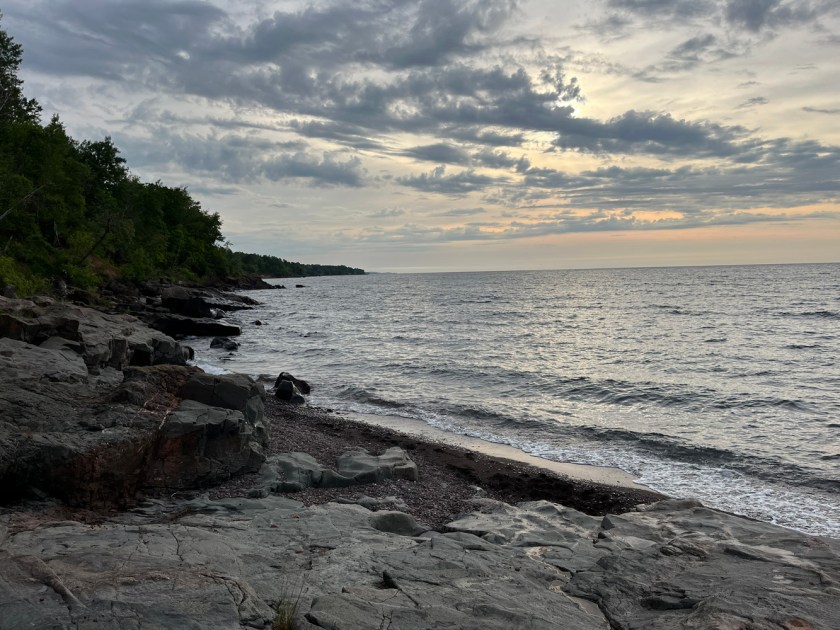
Yesterday, I was on my way home at dusk when the clouds parted and the mountains were drenched in deep gold. Still waters mirrored earth, land, sky.
I soaked in the last of the fall color that is still striking in a few protected places, gathering in images of still waters to remind me that nature is home.
Why do I need this visual reminder?
Yesterday I read an article that queries the issue of human cruelty triggering the usual overwhelm. Every day it’s something. I force myself to stay present to what’s happening on a peripheral level. To do this, I need to keep myself grounded in the rest of nature to help me deal with what’s happening to this planet and her people. I am struggling hard to maintain some sort of balance despite the pain and chaos.
I have no answers to what is happening cross culturally on a global level unless we begin to re-establish a heart- level connection with humans and the rest of nature. The warnings I receive have become more dire making it impossible for me to block them out.
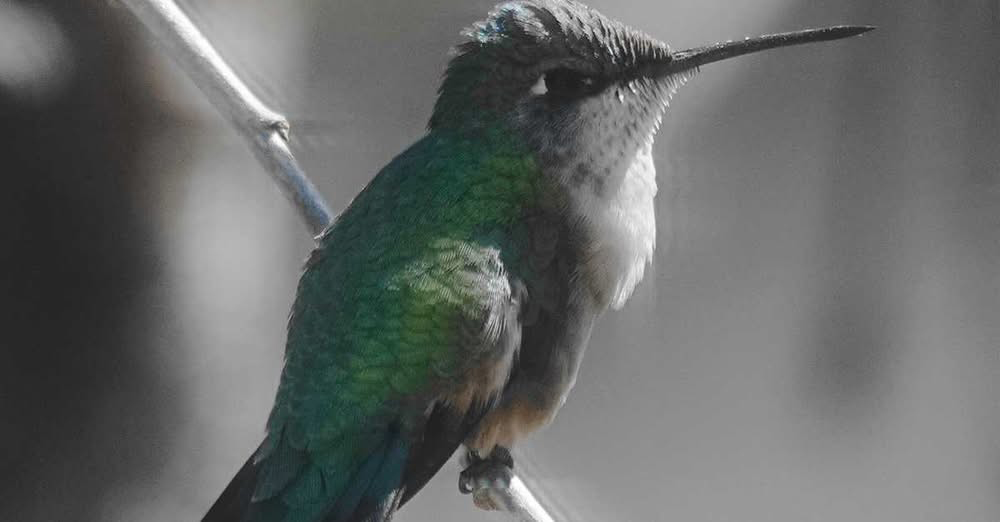
When I can surrender to nature’s beauty, I can also locate myself as a speck in the life of a five -billion year old planet even if it’s just for a few seconds at a time. My love for my dog, the birds at my feeder, free roaming bears, the kindness of neighbors and friends, also help me to feel that I am being given a gift.
Continue reading “Witch Hazel, a Tree that Belongs to Women! part 1 by Sara Wright”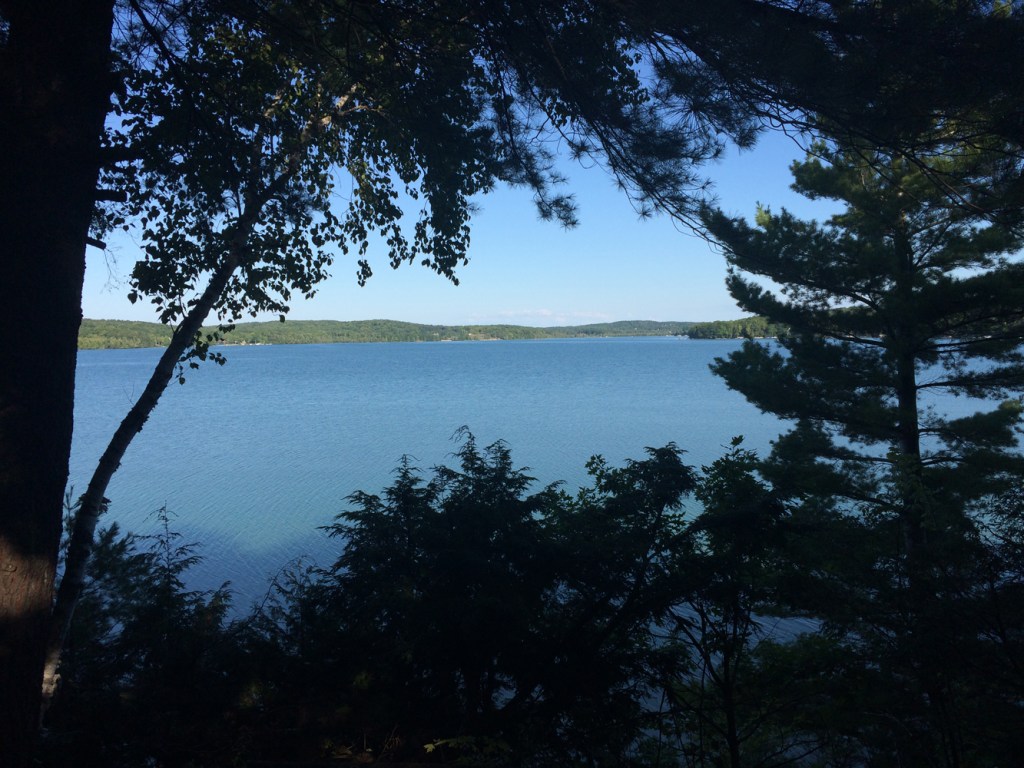




 Feminism and Religion