

 This week’s Torah portion, or parshah, is Shemot (Exodus 1:1-6:1). This parshah sets the scene for the liberation of the Israelites from slavery both by introducing main characters and elaborating on just how difficult life was for the Isrealites under Pharoah’s rule. The parshah contains many noteworthy aspects: the death of Joseph and the multiplication of the Isrealites in Egypt; the increasing wrath of the Egptians; the birth and adoption of Moses; Moses’ encounter with the Divine in the form of a burning, yet unconsumed, bush; the revelation of the divine name, G-d’s plan for Moses’ role in the liberation of the Israelites from slavery; Moses’ attempts to get out of his assigned role; and Moses’ first confrontation with Pharoah.
In addition, there are many women, who are integral to the salvation of the Israelites, in this parshah. For the most part, Jewish tradition has acknowledged their part when it comes to discussions of this parshah, especially Shifra and Puah. Yet, their role is often overshadowed by Moses’ varied miracles, the mighty power of the divine, the revelation of the Torah, the wanderings in the desert, and so on. However, the Israelites’ liberation from slavery would have looked quite different without women. Continue reading “Shemot: Women’s Misbehaving and Disobeying as the Key to Liberation by Ivy Helman.”
 This week’s Torah parshah is Behaalotecha: Numbers 8:1 to 12:16. By now, much of what comes to pass should sound familiar. The parshah starts with another discussion of leadership and the priesthood. It then prescribes a second Pesach for those who happened to be ritually unclean for the first one and describes the consequences of not participating in the first Pesach if you had been ritually clean. Next, the Israelites’ wanderings through the desert are detailed which includes the divine appearing as natural phenomena and the very loud rumblings of the Israelites’ tummies. Finally, the parshah ends with a discussion of Moses’ wife and Miriam’s punishment.
  I watched this short video on facebook about
 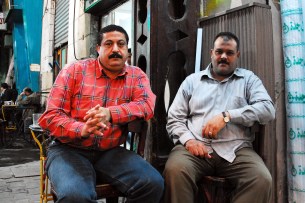 Then Sisa made the news and was honoured by governmental officials. There is footage in the report of Egyptian men watching that footage. Apparently, the men were impressed by Sisa’s efforts and they developed respect for her. One man, who knows Sisa personally, says for camera: “I treat her like a man, because she works like a man”.

 Feminism and Religion