

October 3, 2024 // 1 Tishre, 5785
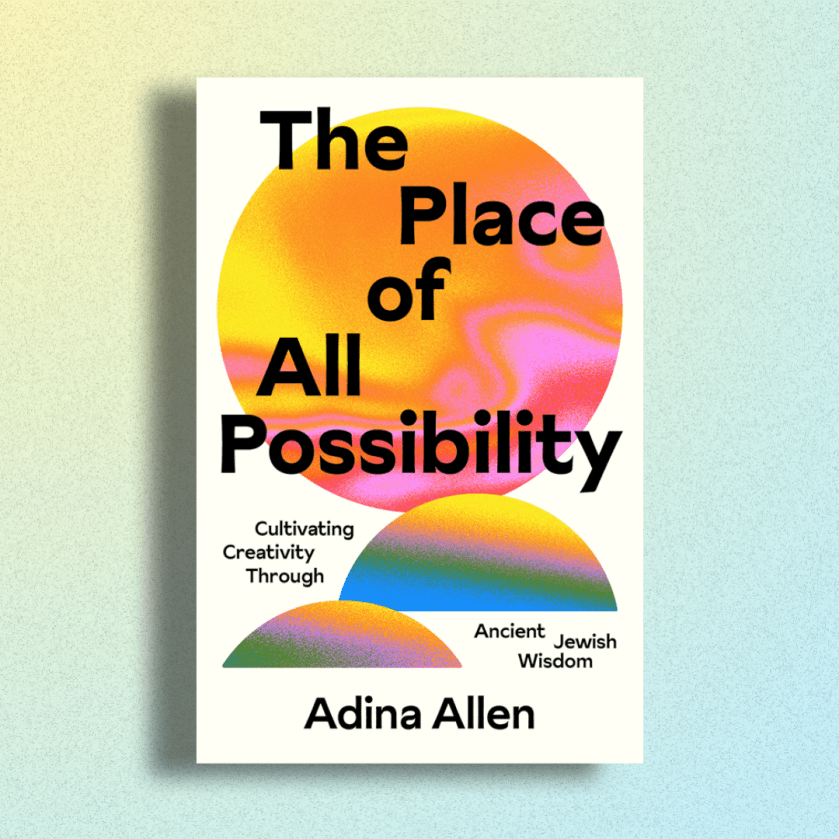
“Rosh Hashanah is the anniversary of the creation of the world,” wrote the Eish Kodesh, Rabbi Kalonymous Kalman Shapira, Rebbe of the Warsaw Ghetto. Writing at a time of unimaginable suffering, even against the backdrop of impossible circumstances, he knew this moment, the day in which we inhabit right now, to be one of creativity, possibility and renewal.
This theme of creativity and Rosh Hashanah is perhaps expressed nowhere more poignantly than in the phrase Hayom Harat Olam. One of the many names by which Rosh Hashanah is known, these words come from one of the holiday’s most ancient piyyutim, recited in the sacred center of the Rosh Hashanah service, the haunting, evocative Musaf Amidah. To conclude each of the three special sections for Rosh Hashanah: Malchuyot (Sovereignty), Zichronot (Remembrances), and Shofarot (marking the appearances and meanings of shofar across Torah), the shofar is sounded in the proscribed pattern — wholeness, breakage, shattering, wholeness, followed by Hayom Harat Olam.
Continue reading “Even Now: Creativity, Possibility and the Renewal of the World by Rabbi Adina Allen”
 The Torah reading for the first day of Rosh haShanah, the Jewish new year, is not, as one might expect, the creation of the world (Rosh haShanah was Friday night, Saturday and Sunday, 9/18-9/20). Instead, the set reading is Genesis 21, the story of how Sarah, wife of Abraham, gives birth to Isaac—a joyous occasion indeed, given that she is ninety years old. But then Sarah becomes anxious that her husband’s other wife, Hagar, also has a son, Ishmael, who could inherit from Abraham, and demands that Hagar and Ishmael be expelled from the household. This year, reading this tale, I am seeing a story that shows how when we think about success, abundance, and consequences, we include some people in our consideration but not others. In this tale, the Divine includes the perspectives of the unwitnessed even when we do not.
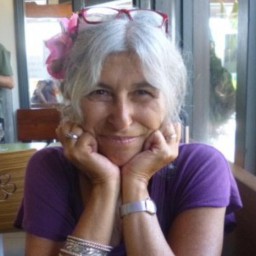 When I was growing up in 1950s Bensonhurst, in Brooklyn, NY, my identity as a Jew was often called into question. “You mean you’re Jewish? And you don’t know about gefilte fish?” my best friend’s Eastern European (Ashkenazi) Jewish mother asked, shocked to discover that our family ate stuffed grape leaves rather than stuffed cabbage. “What kind of a Jew are you?” schoolmates challenged. When I answered “Sephardic . . . from Egypt,” they would reply. “But all the Jews left Egypt a long time ago, isn’t that what Passover is about?” “No,” I would say, having been taught the words by my father. “Some Jews returned to Egypt when they were expelled from Spain.” [Later I would learn that some Jews actually lived in Egypt for millennia, never having left.] “There are no Jews in Egypt,” my little friends would retort. “We never heard of any Jews in Egypt. You can’t be Jewish.”
 On Rosh haShanah and Yom Kippur (the Jewish New Year and the Day of Atonement), and on the festivals throughout the year, traditional Jewish liturgy includes the Thirteen Attributes of the Divine. Exodus 34:6-7 is the first to mention these thirteen attributes, or thirteen names really, for God. This Rosh haShanah, as part of my work as a creative liturgist, I offered a new meditation on these thirteen attributes, dedicated to the Shekhinah, the Divine Presence.
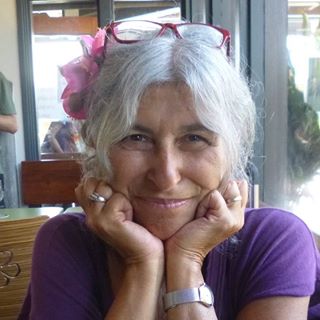 When I was growing up in the 1950s in my Egyptian Jewish immigrant home, each of the High Holidays was imbued with sacredness, thanks largely to my mother’s commitment to a creating a harmonious and memorable gathering of family and friends. Around a long table, covered with an embroidered white cloth and set with sparkling silver and delicately fluted china, she served at each season the festive meal that made manifest for us the presence of the Divine.
 Feminism and Religion