You’re probably tired of hearing it… We live in a time of major change. But hardly anyone acknowledges that change doesn’t happen overnight.
In anthropology and ritual studies, the state of change between the old and the new, is called liminal or threshold space. It is the in-between time. I believe we are living in such a time now. Our familiar frames of reference are crumbling, yet there are no clear new ones in place yet.
In this post I reflect on a few aspects of this long-dance with the unknown.
We live in a time of radical change, in a steam cooker of accelerated alchemy. No wonder most of us struggle with chronic overwhelm.
Beliefs, habits, thought patterns and organisational structures don’t change overnight, and we need ways to boost our resilience in the long arc of paradigm shifts. How can we look after ourselves during this personal and collective dance of change?
In this post I reflect on the connection between movement and health, breathing, and the role of our nervous system. I propose 5 simple steps to minimise and transform overwhelm when it happens.
After my year of teaching high school students, I found a kinship with them in their frustrations, longing, apathy, hopelessness, and hope. Fortunately, we studied together Jean Paul Sartre, whom I want to get to know more intimately, but we, the teens and myself, could take the spiritual answer to our questions about the meaning of life (is there one? What is it?): The meaning of life is to give it meaning.
I am not sure about their generation, but adolescence for me, in mine, was about discovering, not necessarily creating. Of course, now I think it is a little of both.
Sometimes I wonder if there is also a lesson. Being an academic, perhaps I love learning and teaching. I demonstrate my love as Jonathan Livingston Seagull does, by offering to others, perhaps a specific community of others, those who have chosen or must be in a state of learning (easily found in institutions of high school and college), the truths I have gathered (59). Of course ‘truth’ is a word that tastes a bit tannic, for it needs to be rolled around by the tongue a bit to be cleansed; perhaps to mitigate its toxic potential, we can never consume it undigested, but must gestate it and transform it within our warm bodies, just at the cliff, before we allow it to permeate our organs in a chemical structure that serves us.
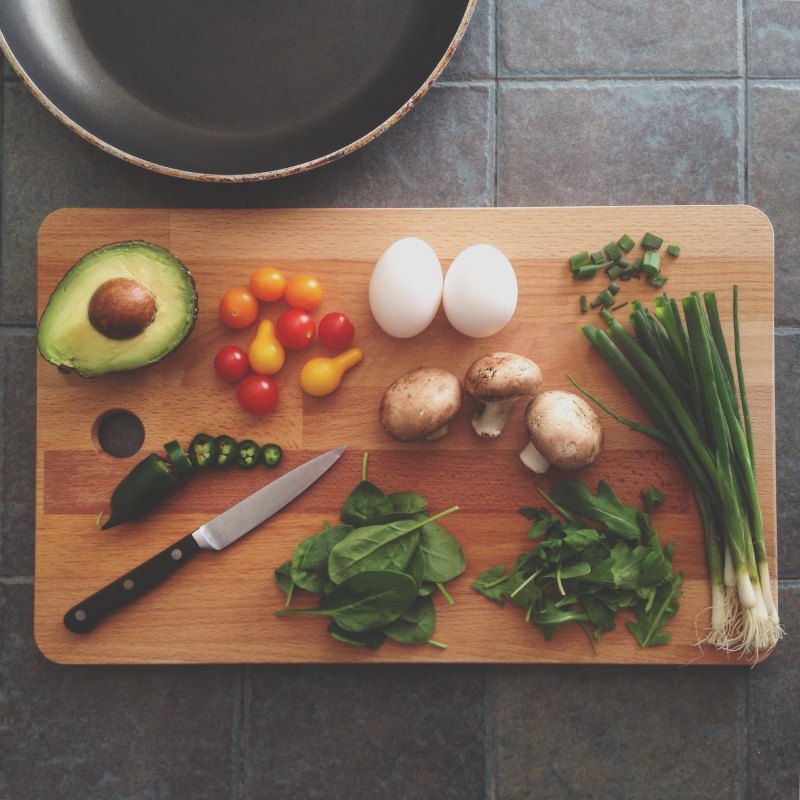
During the holiday season we’re bombarded constantly with contradictory messages about how we ought to take care of our bodies this time of year. Over the early winter months there is a collective expectation and even glorification of indulging in all kinds of ways–eating, drinking, spending money, etc. But if we dare enjoy ourselves a bit, we’re then on the receiving end of the diet and fitness culture propaganda that capitalizes on our time of indulging by telling us we need to clean up our eating and get (back) to the gym–assuring us that 2018 will be the year when we finally achieve our “dream bodies.”
Oftentimes the coded language of “wellness,“ “clean eating,” and even “health” is rooted in the same problematic framework that toxic diet and fitness culture espouses: your best self is your thinnest self. Strict binary language used to describe food–processed foods high in fat or sugar are “bad” while fruits, vegetables, and whole grains are “good”–attributes moral weight to what we eat. Beneath this is the myth that our health outcomes and the way that our bodies look are completely within our control. If we simply commit to “healthy” habits, we can become “good” (thin). Continue reading “The Trouble with “Wellness” by Katey Zeh”



 Feminism and Religion