Inspired by Carol P. Christ: Patriarchy Rules the Supreme Court by Janet Maika’i Rudolph

Along with the words of Justices Sotomayer, Breyer and Kagan.

The Supreme Court ruling overturning Roe was expected, but there was nothing that could prepare me (nor likely anyone else) for the devastation of the actual decision. My gut is reeling. I thought it would be useful to survey the landscape through the lens of patriarchy. Thanks to Carol Christ for having always written insightful comments about the roles of patriarchy. This is inspired by her work.

The dissenting judges were quite eloquent, so I will work off their words.

  • “Whatever the exact scope of the coming laws, one result of today’s decision is certain: the curtailment of women’s rights, and of their status as free and equal citizens.”
  • “After today, young women will come of age with fewer rights than their mothers and grandmothers had. The majority accomplishes that result without so much as considering how women have relied on the right to choose or what it means to take that right away. The majority’s refusal even to consider the life-altering consequences of reversing Roe and Casey is a stunning indictment of its decision.”

My Commentary: Through the eyes of patriarchy here is no need to consider life-altering consequences because it only recognizes two roles for women: madonna or whore. We are never seen as full humans with civil and independent rights. Patriarchy doesn’t just hate the sexual freedom of women, it has spent millennia trying to quash it, make it into something dirty, control it. It’s a love/hate relationship with sex. Rape is really OK (look how hard it is to prosecute). Pedophilia OK too (look at the church). But a woman making her own sexual, reproductive choices . . . a bridge too far. Patriarchy will always force us to pay a price for having sex, for being alluring, for being female.

Continue reading “Inspired by Carol P. Christ: Patriarchy Rules the Supreme Court by Janet Maika’i Rudolph”
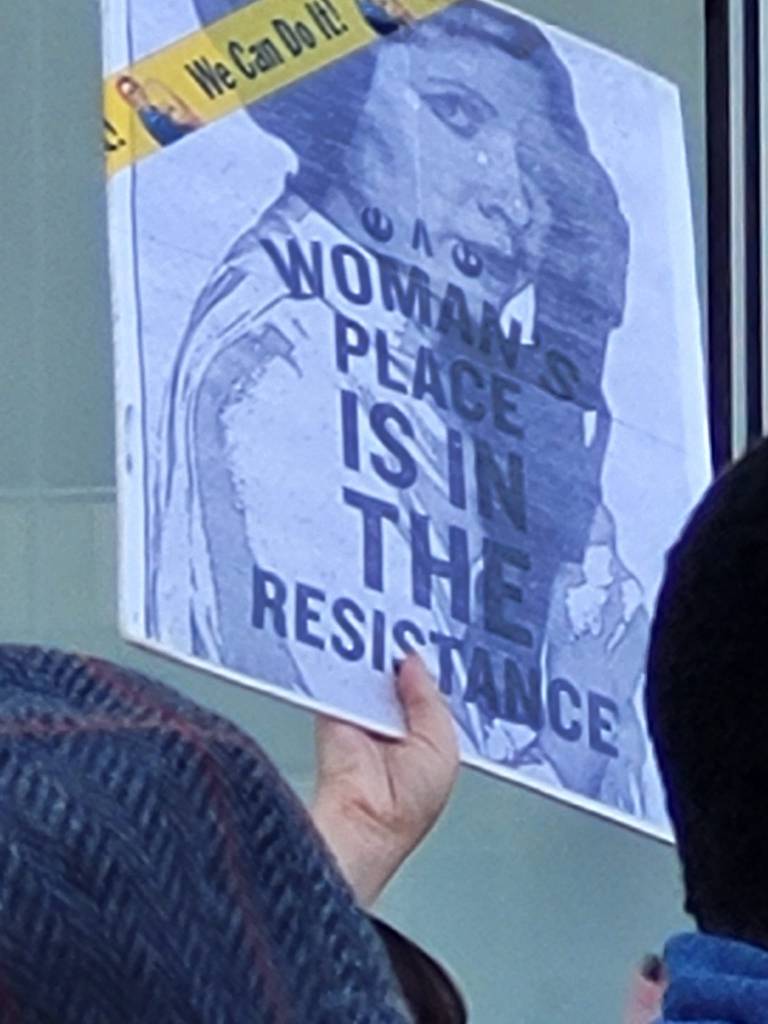
photo essay, part 2: bans off our bodies rally by Marie Cartier

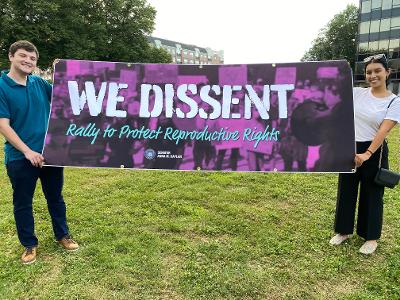
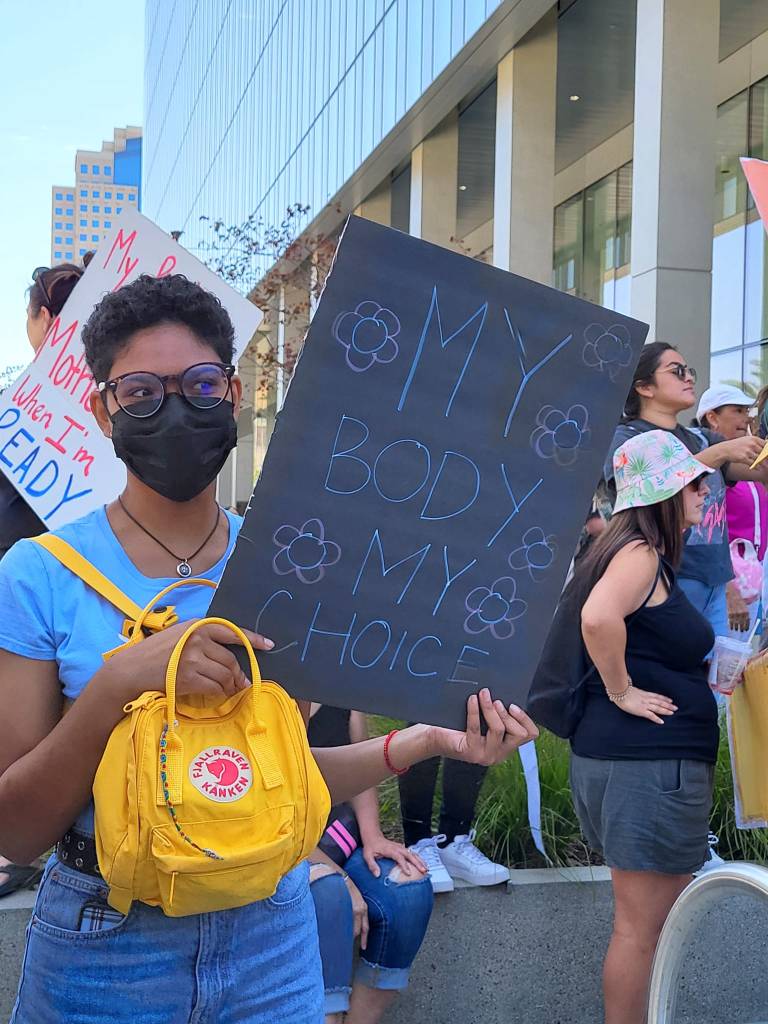
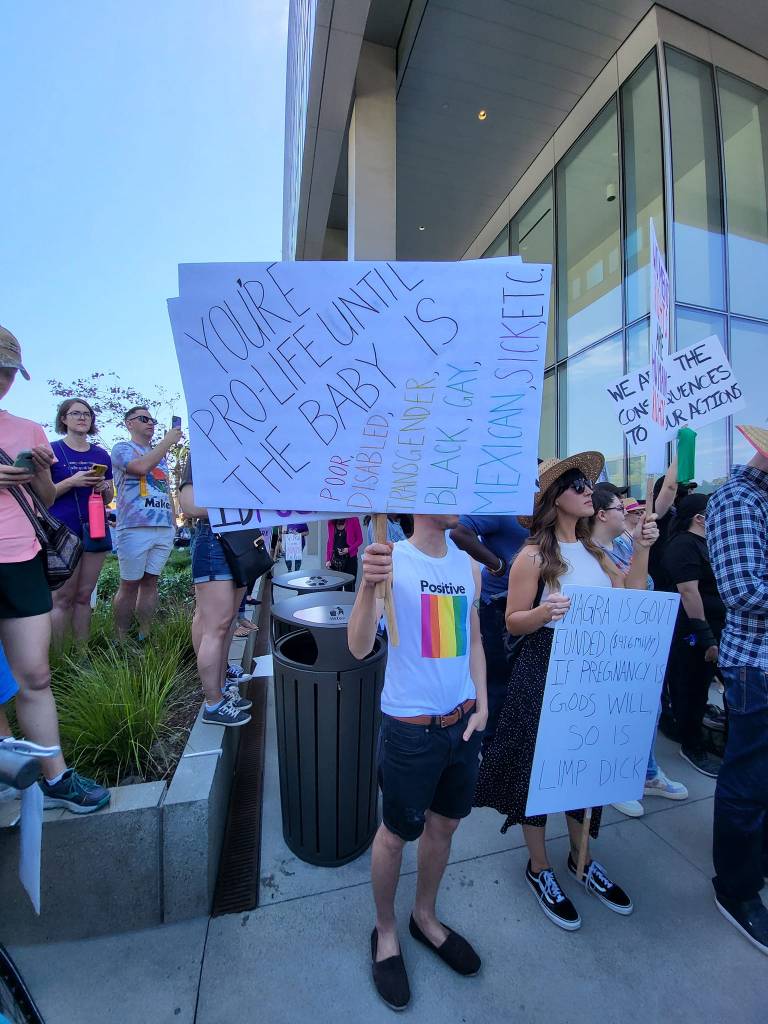
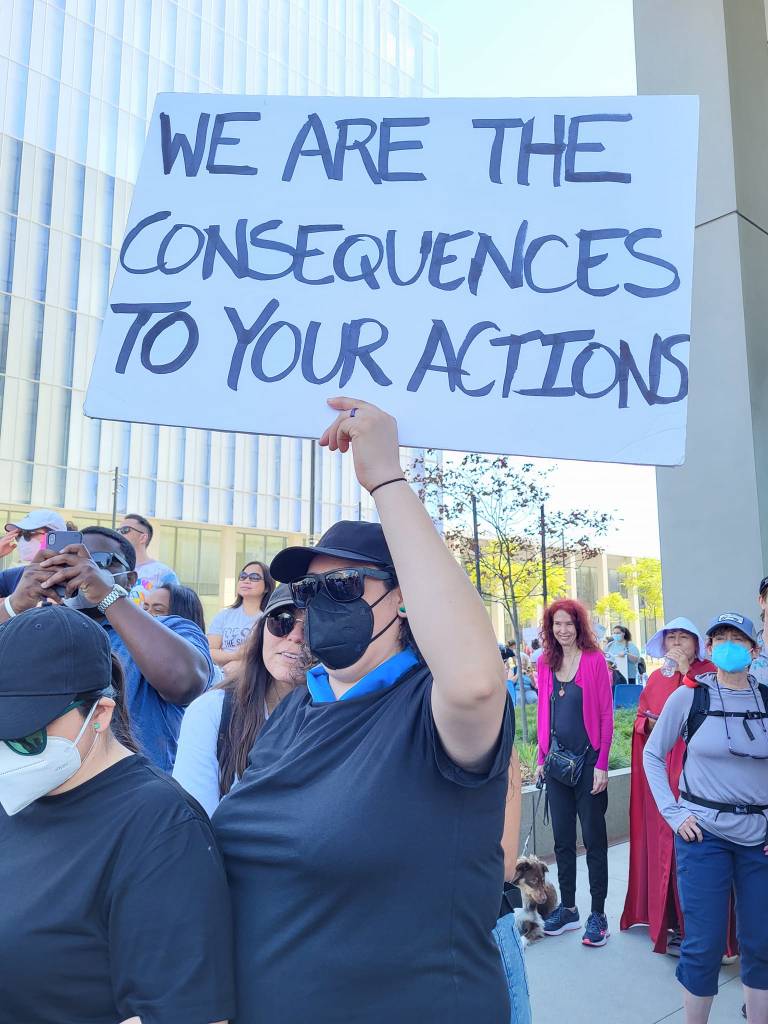
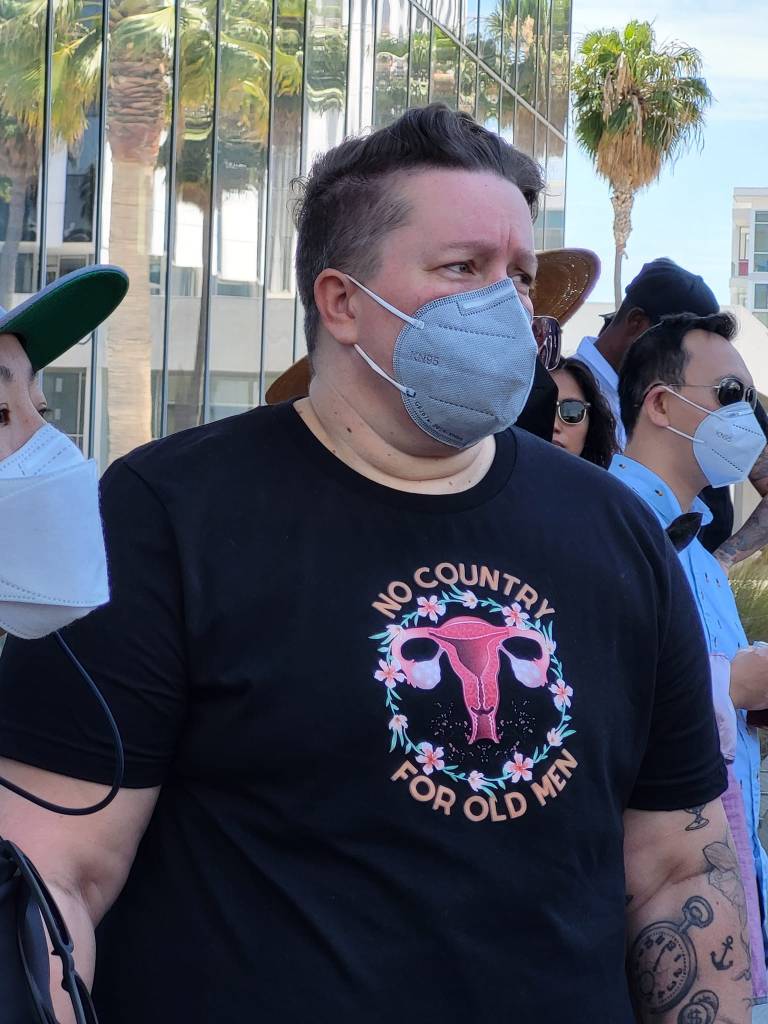
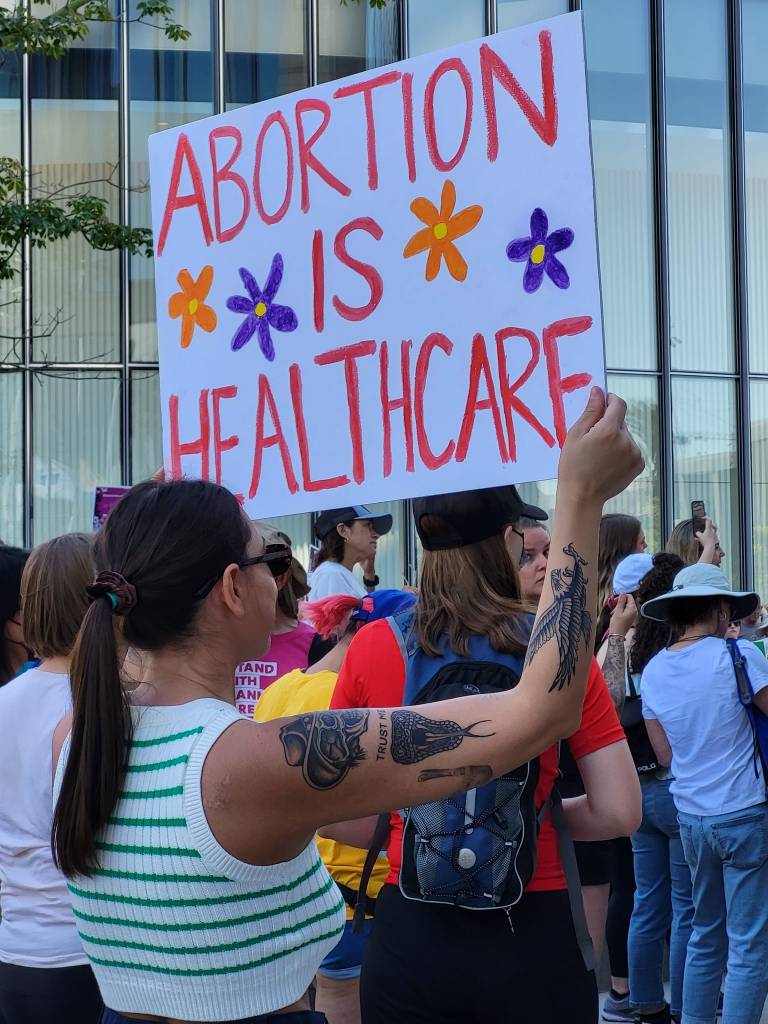
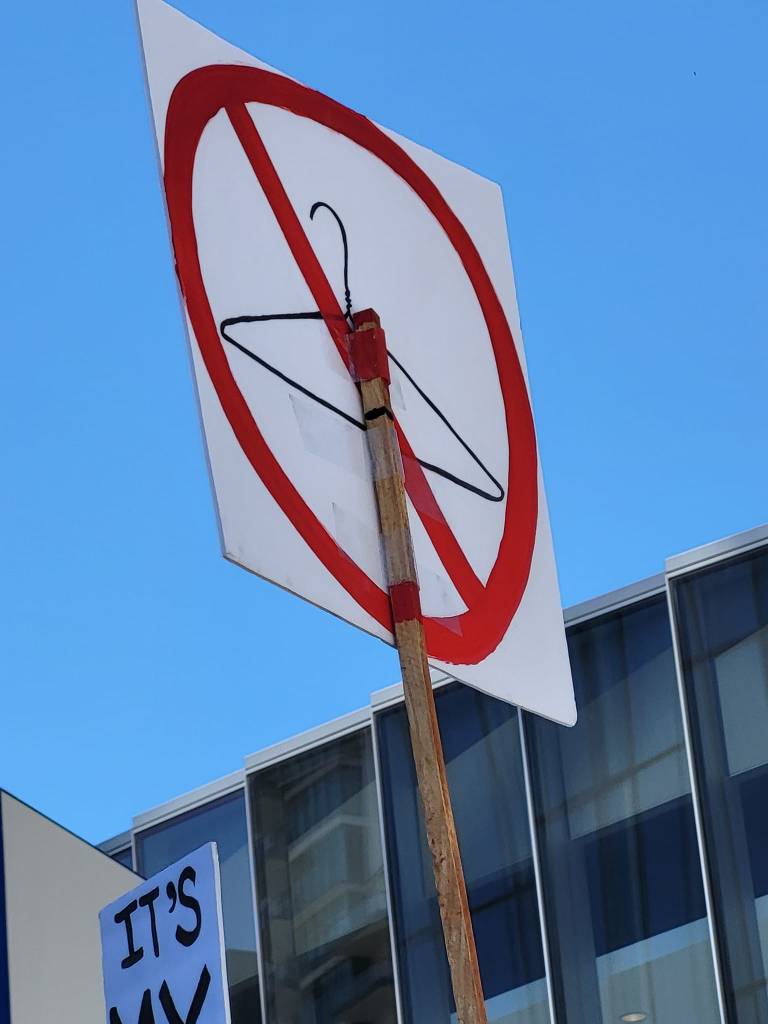
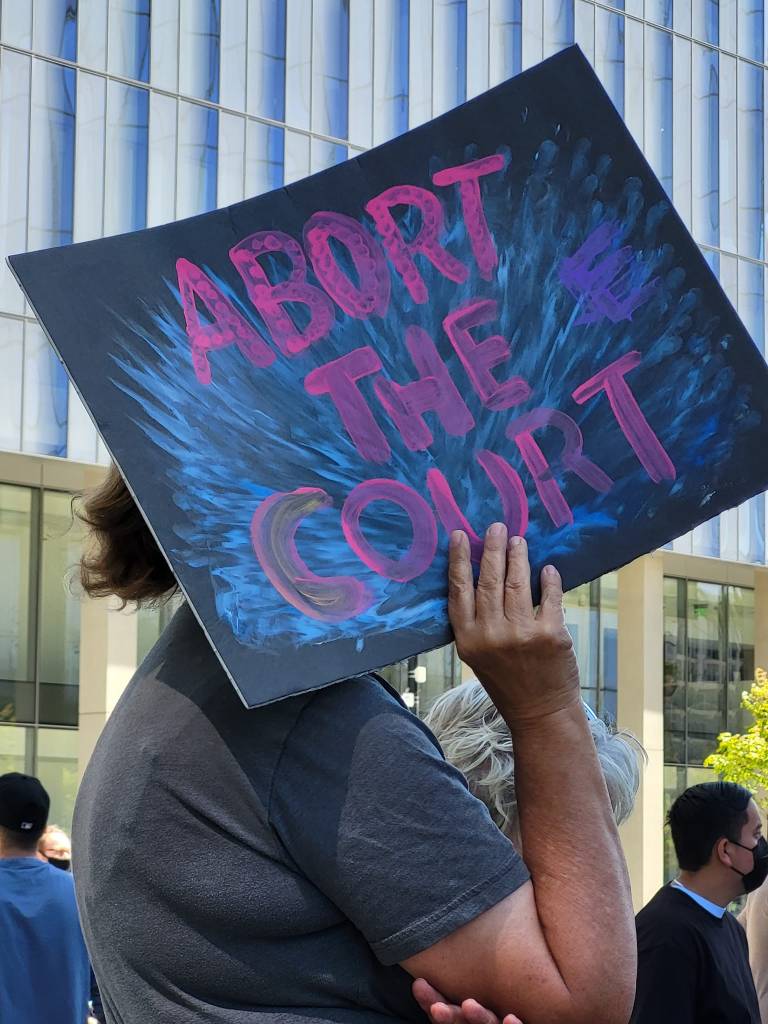
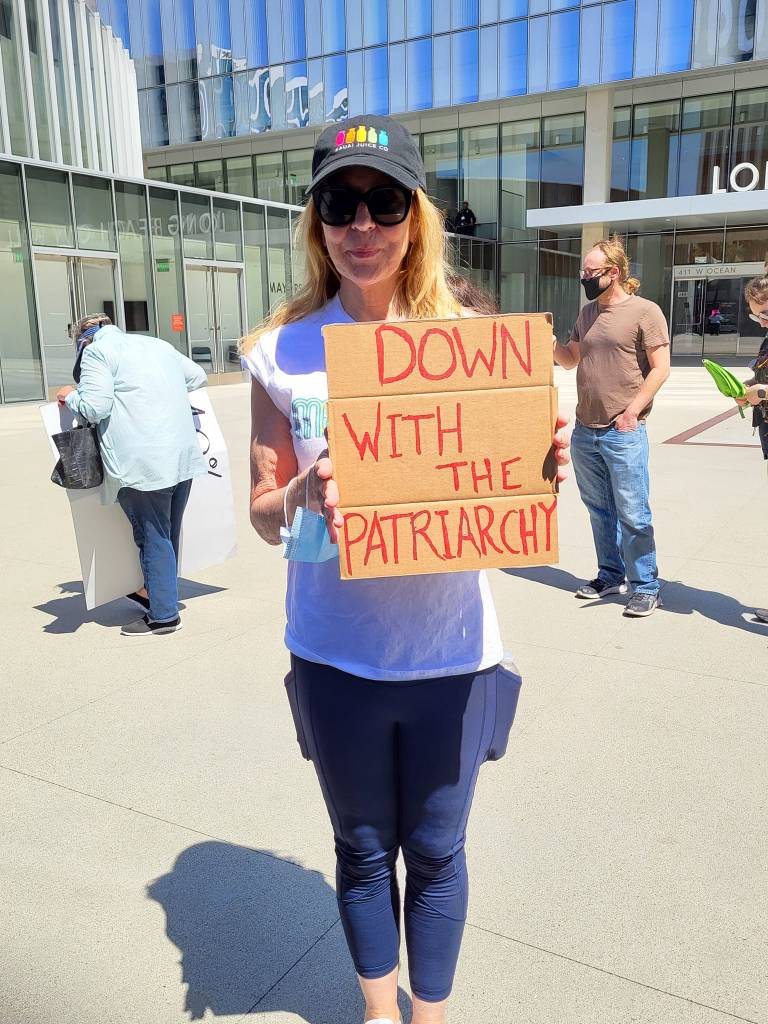
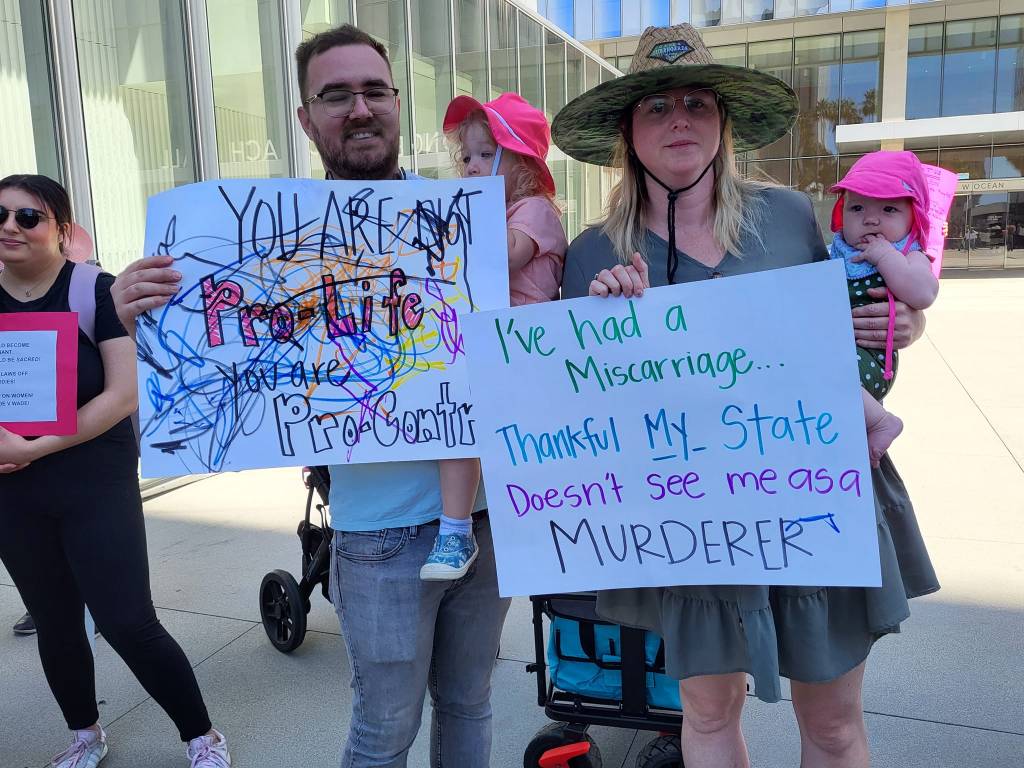
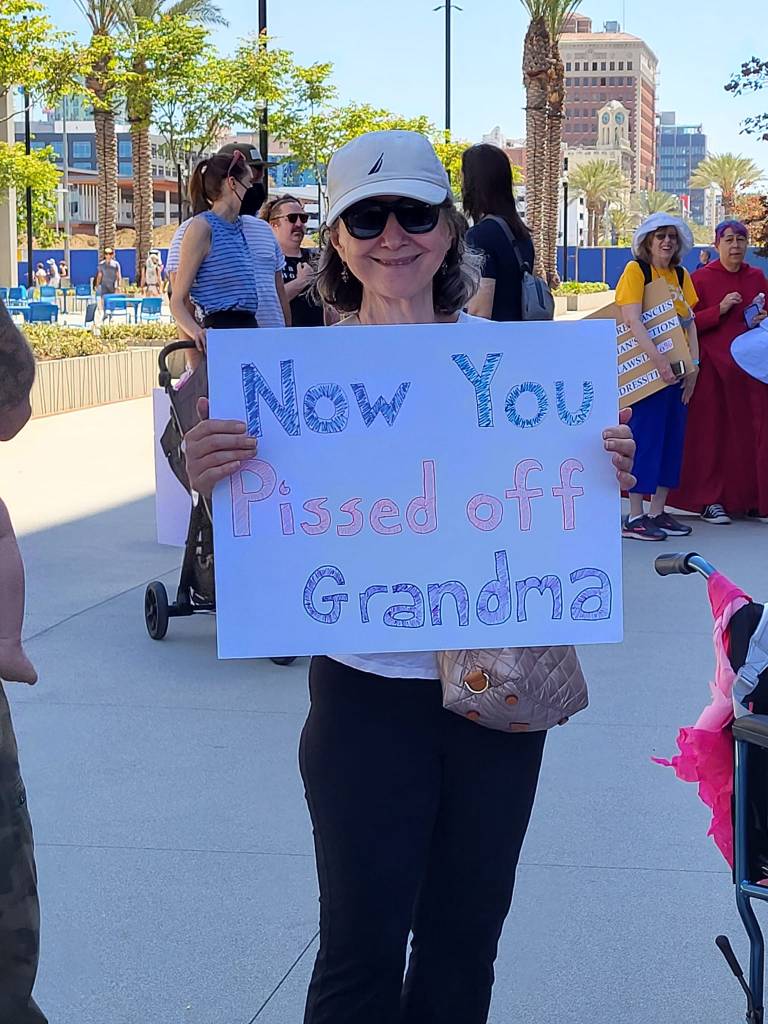
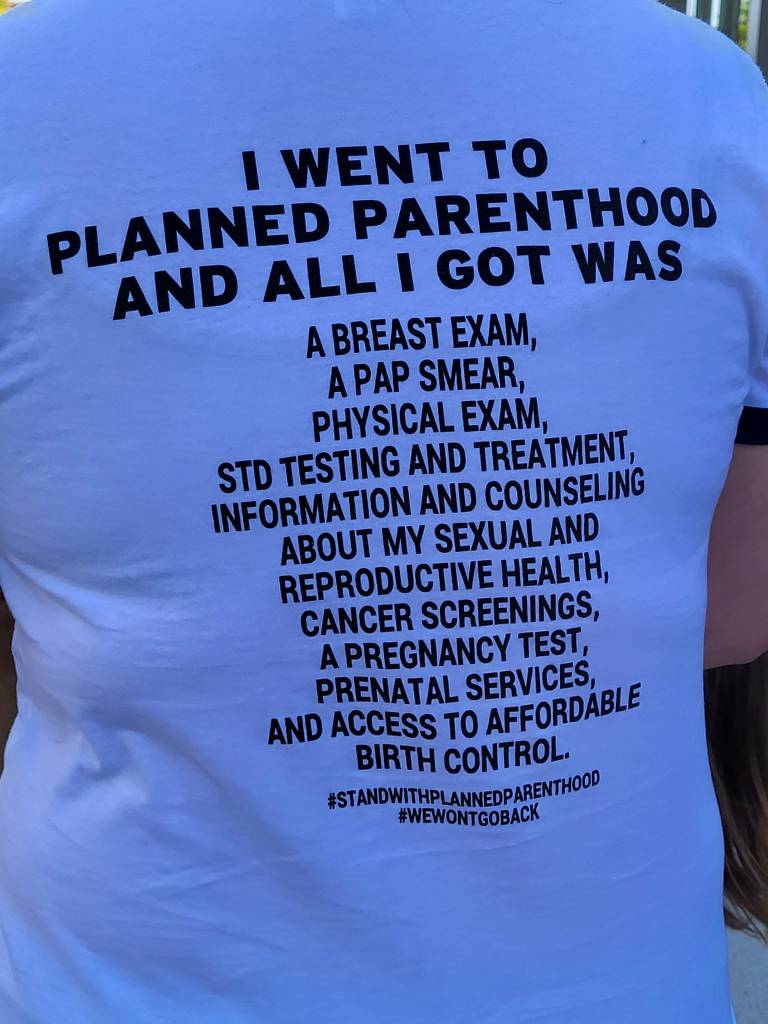
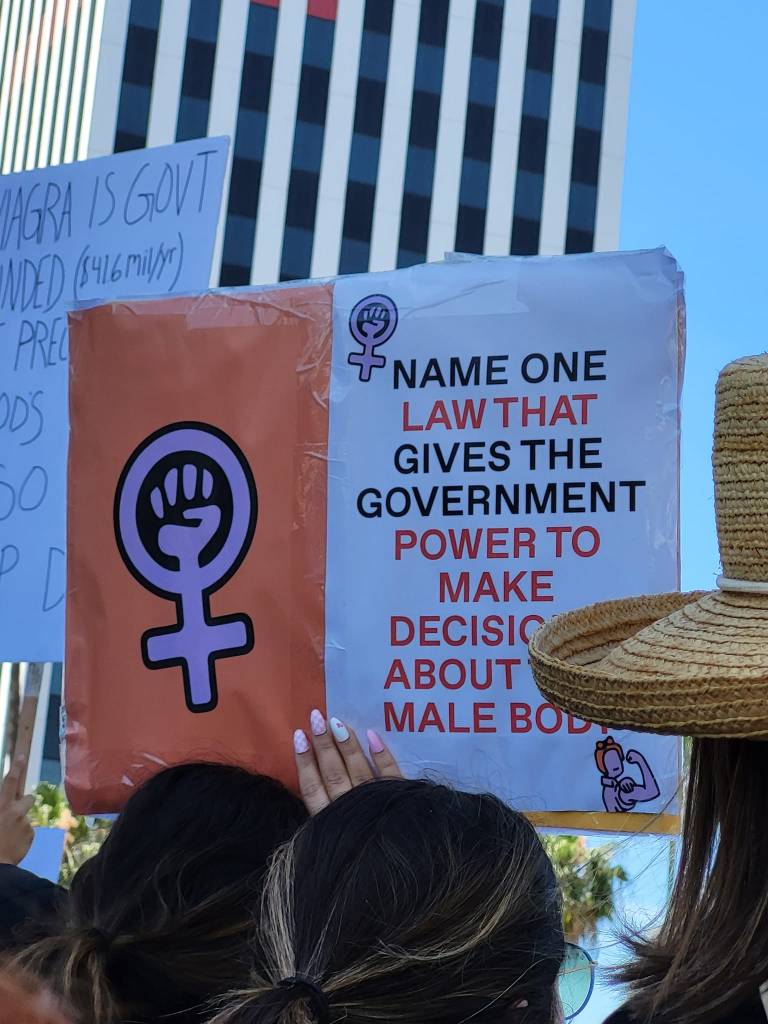
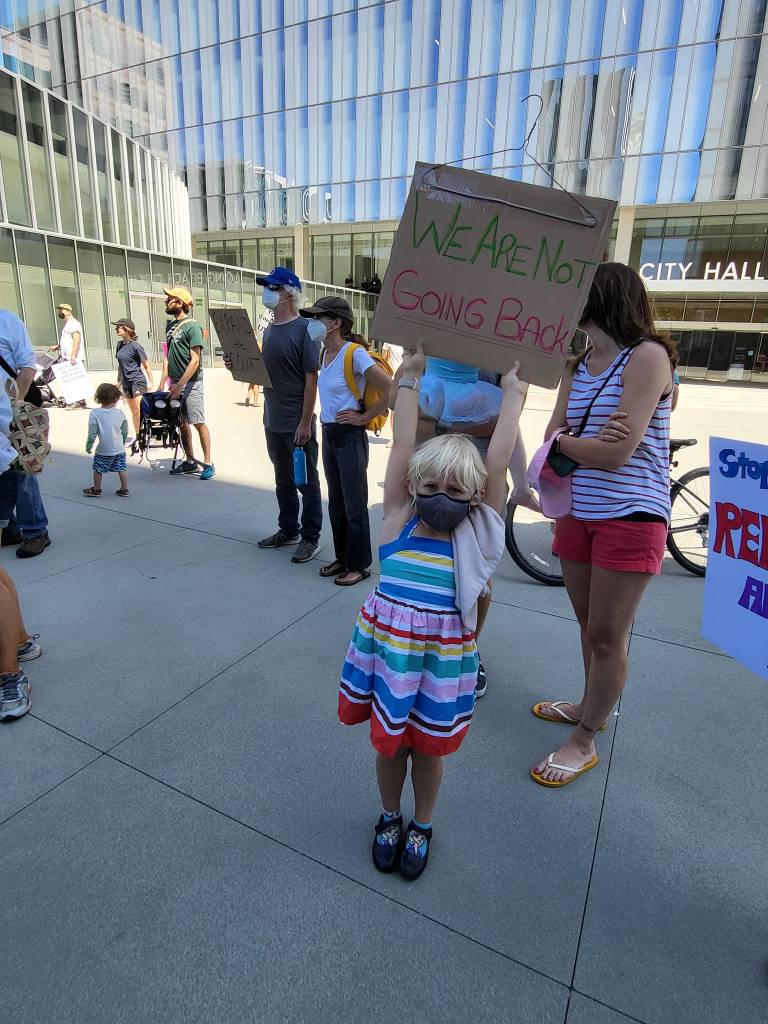
photos from bans off our bodies rally, long beach ca may 14, 2022

all photos by: marie cartier

BIO: Marie Cartier is a teacher, poet, writer, healer, artist, and scholar. She holds a BA in Communications from the University of New Hampshire; an MA in English/Poetry from Colorado State University; an MFA in Theatre Arts (Playwriting) from UCLA; an MFA in Film and TV (Screenwriting) from UCLA; an MFA in Visual Art (Painting/Sculpture) from Claremont Graduate University; and a Ph.D. in Religion with an emphasis on Women and Religion from Claremont Graduate University.

Moderator’s note: This is the 2nd of the two part series. Part 1 was posted yesterday.

Continue reading “photo essay, part 2: bans off our bodies rally by Marie Cartier”

photo essay, part 1: bans off our bodies rally by Marie Cartier

photos from bans off our bodies rally, long beach ca may 14, 2022

all photos by: marie cartier

BIO: Marie Cartier is a teacher, poet, writer, healer, artist, and scholar. She holds a BA in Communications from the University of New Hampshire; an MA in English/Poetry from Colorado State University; an MFA in Theatre Arts (Playwriting) from UCLA; an MFA in Film and TV (Screenwriting) from UCLA; an MFA in Visual Art (Painting/Sculpture) from Claremont Graduate University; and a Ph.D. in Religion with an emphasis on Women and Religion from Claremont Graduate University.

moderator’s note: There are so many powerful photos that they will be posted in two parts, today and tomorrow.

Continue reading “photo essay, part 1: bans off our bodies rally by Marie Cartier”

Women’s Autonomy and Well-Being v. the Patriarchy by Elizabeth Ann Bartlett

A recently leaked draft of the US Supreme Court’s opinion on Dobbs v. Jackson Women’s Health Organization suggests that the court is ready to overturn Roe v. Wade. Most people know the legal consequence of Roe, but few know the grounds for the decision. The focus was on the “important and legitimate interest” the state has in preserving and protecting the health of the pregnant woman. Defining “health” broadly, Justice Blackmun wrote:

            The detriment that the State would impose upon the pregnant woman by denying this choice altogether is apparent. Specific and direct harm medically diagnosable even in early pregnancy may be involved. Maternity, or additional offspring, may force upon the woman a distressful life and future. Psychological harm may be imminent. Mental and physical health may be taxed by child care. There is also the distress, for all concerned, associated with the unwanted child, and there is the problem of bringing a child into a family already unable, psychologically and otherwise, to care for it. In other cases, . . . the additional difficulties and continuing stigma of unwed motherhood may be involved. (410 U.S. 113, 1973) 

Psychological, physical, familial, social, present and future health of the woman are all to be taken into consideration. I would add to this the spiritual well-being of the woman, for this is a deeply personal spiritual decision as well.

Continue reading “Women’s Autonomy and Well-Being v. the Patriarchy by Elizabeth Ann Bartlett”

From the Archives: Women’s Bodies and the Bible by Janet Maika’i Rudolph

Moderator’s note: This marvelous FAR site has been running for 10 years and has had more than 3,600 posts in that time. There are so many treasures that have been posted in this decade that they tend to get lost in the archives. We are beginning this column so that we can all revisit some of these gems. Today’s blogpost was originally posted May 20, 2019. You can click here to see the original comments.

Trigger Alert:  The bible on its face is quite violent to women.

Amidst the ugliness that is American politics in general and abortion politics specifically, I began to look for guidance to understand what is happening. I ended up pulling out two books that I read long ago. The first is Woe to the Women-The Bible Tells Me So by Annie Laurie Gaylor. Gaylor, in turn, was inspired by the work of Elizabeth Cady Stanton in her The Women’s Bible which was originally published in two parts (1895 and 1898).

I had forgotten how inspired I have been by both books. Together, they motivated me to begin looking at how the bible is a foundational paradigm of our culture. I started researching how translations have been altered from original meanings. I have already written a few blogs about how the representations of Eve have been changed to strip Her of the roots of Her original power. Take a look here and here.

Continue reading “From the Archives: Women’s Bodies and the Bible by Janet Maika’i Rudolph”
Women’s Bodies and Texas

I have been so angry about the Texas law that functionally bans abortion, I have not even been able to find the words to write about it. But alas . . . being angry without taking action is too often what we women do. So, I am forcing myself to focus and write this blogpost. I think the worst part of this law (although there are so many it is truly hard to choose), is how it isolates a vulnerable, pregnant woman. Can you imagine having an unwanted pregnancy and not being able to talk to anyone about it? This law puts a whole women’s support system into legal and financial jeopardy; a mother, sister, friend, doctor, staff at the doctor’s office, therapist, random neighbor and on and on. A woman’s only “legal” option is to talk to a crisis pregnancy center which comes with a hefty dose of political agenda. This is manipulation at this most virulent, cruel, and controlling.  

Continue reading “Women’s Bodies and Texas”

Let’s Talk About Shame by Janet Maika’i Rudolph

Disclaimer/Trigger Warning: This post includes content about rape, sexual assault, domestic abuse, violence.

The recent, meaningful discussions on this forum about how so many of us feel broken due to our own personal histories have fortified and inspired me. I’ve marveled as women have spoken up so honestly and even brutally about the effects of trauma, rape, cold and dismissive mothers, abusing fathers and so on.

Some of you know my own story. I am a survivor of my father’s childhood abuse and then a rape at knifepoint in my early twenties. I carry a deep and abiding sense of shame. This feeling has always flummoxed me. Why should I feel shame when I didn’t do anything to create my own abuse? Shouldn’t my father have felt the shame? The rapist? Why did I get saddled with it? I was the victim (and survivor), not the perpetrator. But shame is indeed the feeling I carry and I’m not alone. Why is this feeling so pervasive? I don’t have all the answers, but I do have some clues about where to look.

Continue reading “Let’s Talk About Shame by Janet Maika’i Rudolph”

Women’s Bodies and the Bible by Janet Maika’i Rudolph

Trigger Alert:  The bible on its face is quite violent to women.

Amidst the ugliness that is American politics in general and abortion politics specifically, I began to look for guidance to understand what is happening. I ended up pulling out two books that I read long ago. The first is Woe to the Women-The Bible Tells Me So by Annie Laurie Gaylor. Gaylor, in turn, was inspired by the work of Elizabeth Cady Stanton in her The Women’s Bible which was originally published in two parts (1895 and 1898).

I had forgotten how inspired I have been by both books. Together, they motivated me to begin looking at how the bible is a foundational paradigm of our culture. I started researching how translations have been altered from original meanings. I have already written a few blogs about how the representations of Eve have been changed to strip Her of the roots of Her original power. Take a look here and here.

These books reminded me of why such work is necessary. Here is what Stanton wrote in her introduction:

The Bible teaches that woman brought sin and death into the world, that she precipitated the fall of the race, that she was arraigned before the judgement seat of Heaven, tried, convicted and sentenced. Marriage for her was to be a condition of bondage, maternity, a period of suffering and anguish, and in silence and subjection, she was to play the role of a dependent on man’s bounty for all her material wants . . .

Continue reading “Women’s Bodies and the Bible by Janet Maika’i Rudolph”

Lei by Elisabeth Schilling

Mauro Drudi’s installation of LEI (SHE/HER/YOU – formal) in the Chiesa de San Cristoforo on the Sicilian island of Ortigia where I usually take a bus to daily has become the shrine of women I’ve been searching for. Each time I cry, I am glad I can feel something: those tears are a mixture of communion, comfort, and recognition.

When one enters the church, there are two converging walls. On either side, a woman’s face is painted in shadow and light, gazing off toward the light, is reproduced over and over so that the number of women looks almost countless. They are the same face, a reproduction of Antonello da Messina’s “Annunziata” in the mode of pop art. The difference is not in expression. They all wear the same thoughtful, complicated, neutral countenance, holding deep thoughts and experiences of suffering and wise knowing, both acceptance and maybe resistance; they have lived and might be any age, although I see in our connection my own. The difference is between glossy, unblemished surfaces of wood vs. surfaces weathered, slightly ragged, sometimes scribbled on with ink. The former, found on the right when one enters supposedly represents the “positive” woman, the “western woman [. . . representing someone] happy, gorgeous, well-kept.” On the left, about these representations, Drudi says, “Which artist can paint the skin of a woman who has been abused, beaten, exploited, captivated or disfigured with acid? In my opinion, nobody, and so I let the material speak: the wall of a beach hut destroyed by a storm; woods and materials used and abused [. . .]; exhausted panels deriving from carrying tons of goods, tables, packagings, production wastes.”

Continue reading “Lei by Elisabeth Schilling”

“First Blood” Celebration by Esther Nelson

This semester I’m teaching a course titled “The Abrahamic Traditions: Women and Society.”  Because I believe story is one of the best ways to understand a point of view, I use a novel or memoir to accompany each tradition. The novel I use in the Judaism unit is Anita Diamant’s, The Red Tent.

The Red Tent focuses on Dinah, Leah and Jacob’s daughter.  Early in the novel, the narrator says, “My name [Dinah] means nothing to you.  My memory is dust….The chain connecting mother to daughter was broken and the word passed to the keeping of men who had no way of knowing.”

The biblical account (Genesis 34) tells us that Shechem, King Hamor’s son, “seized her [Dinah] and lay with her by force.”  It also says that Shechem’s “soul was drawn to Dinah” and “he loved the girl,” and insisted that his father arrange things so Dinah could be his wife.  Nowhere in the biblical account do we hear Dinah’s voice. She’s portrayed as a victim and used as a bartering tool by Jacob and his sons in their attempt to gain power in the region.  Jacob and his sons required that Hamor and all the men within his kingdom be circumcised as a condition for the marriage between Dinah and Shechem.  King Hamor agreed, but on the third day after the men were circumcised and in pain, Simeon and Levi, two of Jacob’s sons, entered the city “and killed all the males,” for “defiling” their sister.  “Should our sister be treated like a whore?” Dinah then disappears from the narrative.

Continue reading ““First Blood” Celebration by Esther Nelson”