

Moderator’s note: While Samhain is past for this year, we are still in the section of the Celtic calendar which makes this blogpost, and its part 2 which will be posted tomorrow, relevant.
Samhain is an ancient Celtic festival, in fact the most sacred celebration in the Celtic year. Samhain is the New Year of the Celtic calendar. It is one of the eight holidays of the Celtic year—the solstices, equinoxes, and cross-quarter days—all of which mark the turnings of the seasons. Samhain is a time when the harvest had been completed; all the grains and late-maturing vegetables have been gathered in; the fields have been cleared, the old cast off, the fields lying fallow over the cold and dark of winter in order to make room for the eventual springing forth of new life. The New Year, begins in darkness at Samhain, is a reminder that all life emerges from the darkness, that death precedes rebirth. It is a time when the veil between the worlds of the dead and the living thinned, so that the presence of those who have gone before us is more clearly felt or even seen. It is a time to remember the ancestors as well as those newly departed—to grieve our losses, to let go so that we can move forward.
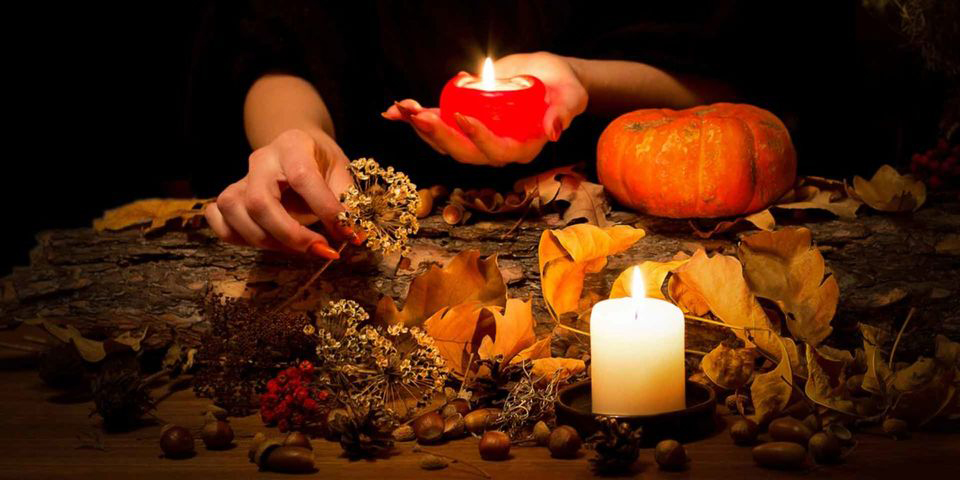
Samhain is the precursor of our Halloween. It was brought to this country by Irish immigrants during the potato famines in the 19th century. They brought their Celtic customs with them, but by that time Samhain was known as Hallows Eve, since the Irish were good Catholics. It struck a responsive chord with the American people, who called it Halloween. They adopted many of its customs, including lighting candles in gourds or pumpkins and dressing in costume. Today Halloween is celebrated as a spooky and fun time, observed with trick-or-treating and mischief-making, but originally it was a solemn holiday—a time to commune with the beloved dead, to honor the ancestors with food and drink, and to acknowledge death as part of a never-ending cycle of birth, death, and rebirth.
As we gather in this solemn spirit, remembering those who have passed over, we are overwhelmed by the massive amount of death, destruction and displacement from Hurricanes Helene and Milton. And over the past few decades we have witnessed natural disasters all over the globe: the Indian Ocean tsunami triggered by a massive earthquake off the coast of Sumatra; Hurricanes Katrina, Rita, Harvey, Irma, Maria, and Wilma; mudslides in Guatemala; Cyclone Nargis in Myanmar; earthquakes in Pakistan; wildfires in California and Hawaii; and flash floods in parts of Europe and the United States. These natural disasters just keep coming. Will they ever stop, we wonder? What is going on? Why is there so much death and devastation all around us?
Several years ago, I attended a conference about healing at Rowe, a Unitarian retreat center in Western Mass. Many people there were talking about the fact that most of the natural disasters we are witnessing involve water. There was a consensus that we need to heal our relationship with water and bring ourselves into right relationship with it. We have polluted it, we have wasted it, we have not treated it as the sacred element that it is. It is predicted that a shortage of water (not oil) will be the major issue of the 21st century. It is estimated that 2/3 of the world’s population will be without clean drinking water by 2050 if we do not change the way we relate to water. When we do not treat water as the sacred resource that it is, devastating consequences result.
All life emerged from the sea. Water is the source of life. We are birthed from the waters of Mother Earth’s womb. We bear an extraordinary relationship to water. Water covers 3/4 of the surface of the earth; our bodies are composed of 3/4 water. When we dishonor water, we dishonor ourselves.
As Chief Seattle says, “Man did not weave the web of life; he is merely a strand in it. Whatever he does to the web, he does to himself.” If we continue to support our government’s policy of weakening controls on environmental pollution and degradation (or do not actively work to put a stop to them), we will suffer the consequences. The government’s failure to protect the natural environment has contributed to the rising death toll all over the planet. Its destructive environmental policies have helped to bring about global climate change, which many scientists link to the increased intensity of hurricanes of late. When global warming occurs, the oceans heat up and provide more fuel for the hurricanes. It’s like turning up the heat on boiling water; the water boils more rapidly and furiously.
When we impose our will on nature, instead of seeing ourselves as merely part of its web, we create imbalance in the natural world. In the past, the seasonal floodwaters carried nutrients and rejuvenation to landscapes that were depleted; ancient peoples all over the world honored and respected the cyclical flows of water. Today, because of humanity’s interference with water, the floods bring death and destruction; people fear water and try to conquer it with levees and dams. As we start to observe the devastating consequences of our actions, we must re-assess our policies before it’s too late. As a Native American proverb says, “If we don’t change our direction, we’re going to wind up where we’re headed.”
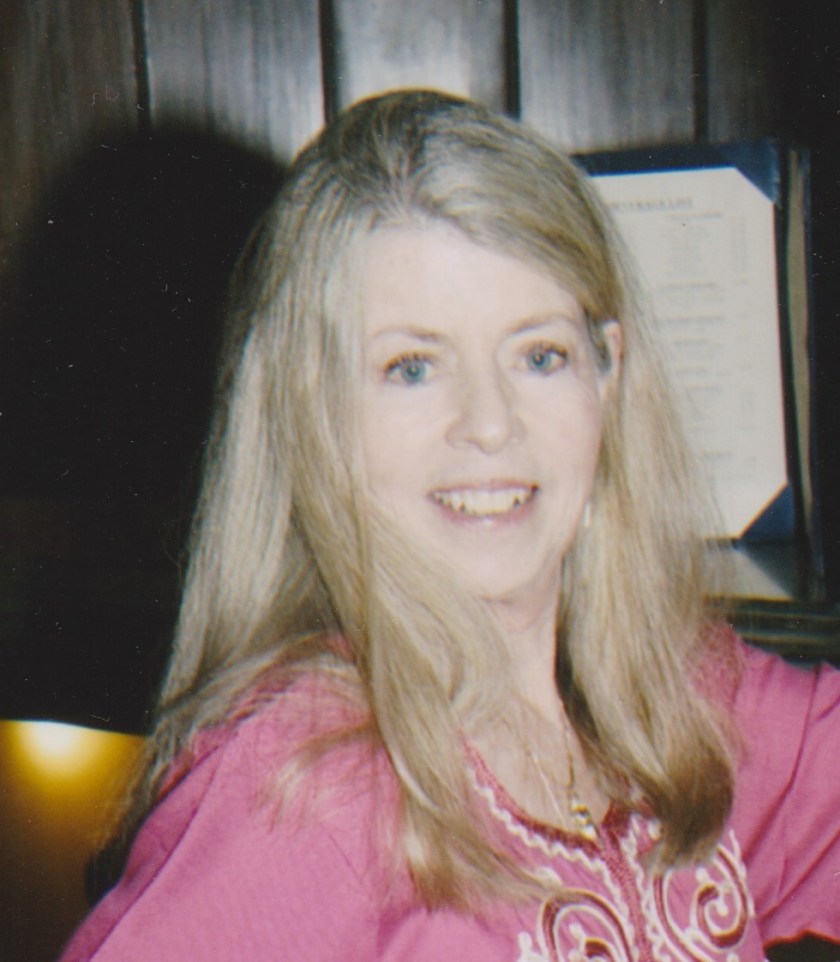
BIO: Susan Foster received a PhD in philosophy and taught philosophy at Wellesley College, where she also taught the first women and gender studies course. She left academia to enter a postdoctoral retraining program in clinical and community psychology at Boston University Medical Center. She currently has a private practice specializing in women’s issues. She founded and led the Women’s Spirituality Series for 13 years at the Unitarian Universalist Congregation of Andover, MA, which featured speakers such as Starhawk, Margot Adler, Mary Daly, Margaret Starbird, and Donna Read, among others. She is an active member of the UU Congregation in Asheville, NC, where she leads pagan rituals and serves on the Board of the Blue Ridge Spirit CUUPS chapter. She is currently writing a book entitled, Righteous Rage: Why Feminism Needs the Fierce Goddesses.
Discover more from Feminism and Religion
Subscribe to get the latest posts sent to your email.
 Feminism and Religion