Artemisia Gentileschi: Baroque artist and rape survivor painted strong Biblical women, By Kittredge Cherry

Kittredge Cherry

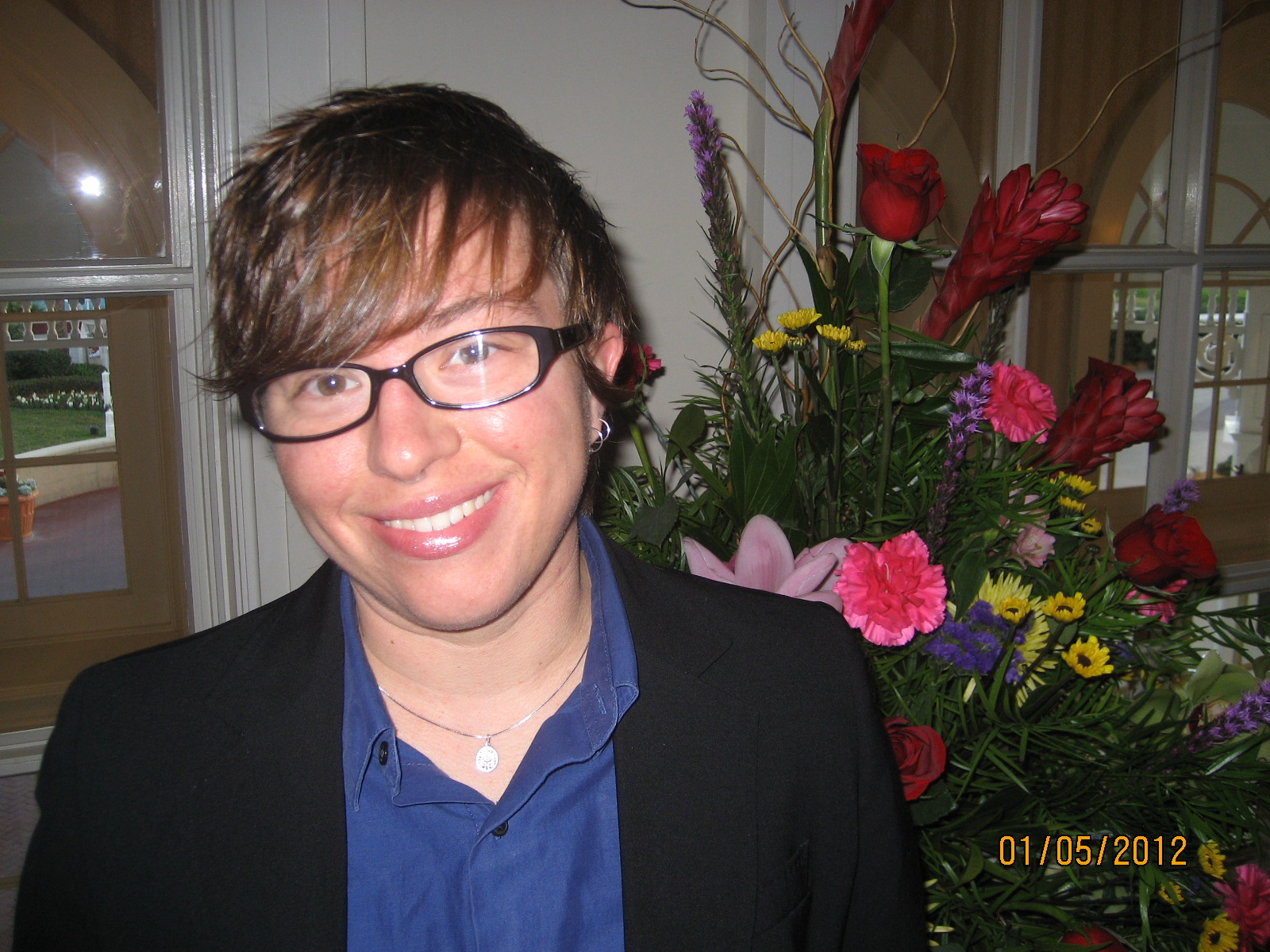
The following is a guest post written by Rev. Kittredge Cherry, lesbian Christian author and art historian who blogs about LGBT spirituality and the arts at the Jesus in Love Blog.  Her books include “Equal Rites” and “Art That Dares: Gay Jesus, Woman Christ, and More“.

Originally posted at Jesus in Love.

Baroque artist Artemisia Gentileschi inspires many with her paintings of strong Biblical women — created despite the discrimination and sexual violence that she faced as a woman in 17th-century Italy.

Gentileschi (1593–1652) was successful in her own day, but was mostly written out of art history until the 1970s, when feminist scholars rediscovered her work. Now she is celebrated in many books, films and plays, and her work is widely reproduced. Her greatest paintings include “Judith Beheading Holofernes” and “Susanna and the Elders.”

Many women and queer people can relate to her battles against prejudice and sexual violence, documented in her rape trial in 1612. She could be considered the patron saint of women artists.

"Judith and Her Maidservant" by Artemisia Gentileschi

Although Gentileschi was apparently heterosexual, lesbians have drawn energy from her life and art.

Lesbians who have created tributes to Gentileschi include painter Becki Jayne Harrelson and playwright Carolyn Gage. In the play “Artemisia and Hildegard,” Gage has two of history’s great women artists debate their contrasting survival strategies: Gentileschi battled to achieve in the male-dominated art world while Hildegard of Bingen found support for her art in the women-only community of a medieval German nunnery.

The daughter of a painter, Gentileschi was born in Rome and trained as a painter in her father’s workshop there. She was refused admission to the art academy because she was a woman, so her father arranged for her to have a private painting teacher — who raped her when she was about 19. Gentileschi herself was tortured by thumbscrews during the seven-month rape trial, but she stuck to her testimony. The teacher was convicted, but received a suspended sentence. Continue reading “Artemisia Gentileschi: Baroque artist and rape survivor painted strong Biblical women, By Kittredge Cherry”

Why am I a witch? By Zsuzsanna E. Budapest

Zsuzsanna E. Budapest is the founder of the Dianic tradition and the Women’s Spirituality Movement and is the author of seven books including Holy Book of Women’s Mysteries.

I was born to a witch mother, who happened to be an artist of sacred art, creating simple home altars that the peasants used in their “clean” room; used only on special occasions. We made our living from selling these Madonna’s with child, Triple Goddess altars. Goddess loving, primitive city folk and country folks bought them to pray in front of. Her art re-inspired an ancient pagan faith. Mother’s sacred art was legendary. Nobody ever bought an image of a male saint or even St. Joseph to pray in front of. When the hardships were upon Hungarians, they turned to the great Mother. Our pre-Christian Boldogassznony (Glad Woman).

All this happened during the so called Communists occupation, which lasted many decades. I grew up in a city that was filled with statues of the Goddesses and Dianads. With all the churches we have in Hungary, not one of them is dedicated to Jesus Christ, but they are dedicated to his mother Goddess, Mary and her relatives; St. Ann, St. Kathryn, St. Elizabeth (a homegrown saint), along with St. Margaret.

During the bombing, much of this art was destroyed, but enough of them remained to pass on to the new generation the message: We stand proud on our past, we knew once  beauty and civilization. Continue reading “Why am I a witch? By Zsuzsanna E. Budapest”