

Those of us on the paths of the Divine Feminine can go to great lengths to approach Her. We might read and study hard-to-find books, invest time and money to visit temples and museums, and seek out Goddesses-related power spots around the world. We might acquire ceremonial jewelry and devotional artworks, attend conferences, track down Goddesses-inspired music, and apprentice with teachers from spiritual traditions that may be far removed from our own heritage. We might invest in supplies and training to craft devotional music, art, sculpture, and apparel, and create or attend performances, healings, and rituals honoring the Feminine Sacred.
Yet there is one important ritual activity that we routinely forget and ignore, one that we know was key to Goddess worship whenever we have written prayers, from Demeter to Inanna, Isis to Freyja, Hekate to Sarasvati. This time-honored practice is simple to learn, costs nothing to use, and quickly, safely, and legally creates an altered state of mind that brilliantly and efficiently connects us with our spirits, the natural world, the Divine Feminine, and each other. And furthermore, this ancient sacred craft is not limited to indigenous or ancient cultures but is already part of the familiar heritage of anyone who speaks English, so there is no danger of cultural appropriation in using it.
Continue reading “Mother/Meter: Reclaiming Poetry’s Sacred Goddess Languages by Annie Finch”

 Before he told the story of how his people received the sacred pipe,
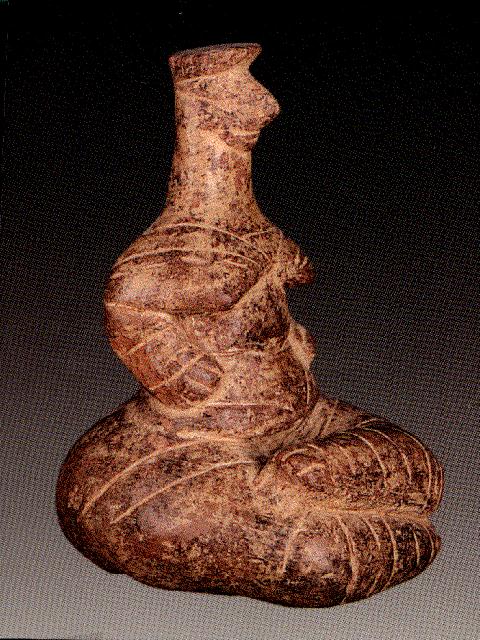
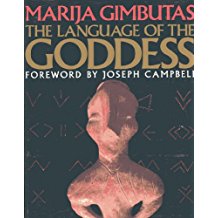
  Marija Gimbutas coined the term “Old Europe” c.6500-3500 BCE to describe peaceful, sedentary, artistic, matrifocal, matrilineal and probably matrilocal agricultural societies that worshipped the Goddess as the power of birth, death, and regeneration in all of life.
 Feminism and Religion