

Part 1 was posted yesterday
On Samhain we are given the opportunity to come together in community to grieve our losses. We grieve for all those we have known personally who have passed over. But this year we also grieve for all those who lost their lives and homes in Hurricanes Helene and Milton and in the many other disasters around the world. We grieve as well for the other losses that occurred—of homes, of jobs, of community, of pets (many of whom also died or were separated from their owners). The losses are so enormous and overwhelming that we need the support that community provides to cope with them. We need to bind together in the strength of community to express our sorrow. Being aware of the death from so many natural disasters helps us to listen to the earth to see what She is telling us, to hear Her crying because She is weakened and out of balance, breaking apart under the strain.
Feeling the earth’s grief from the hurts inflicted upon Her enables us to take stock of our policies, to change our course while we still can. As we float downstream on our raft, we can ignore what we see around us until we see the rapids ahead and say to ourselves, before we plunge over them, “Why didn’t we change course earlier?”
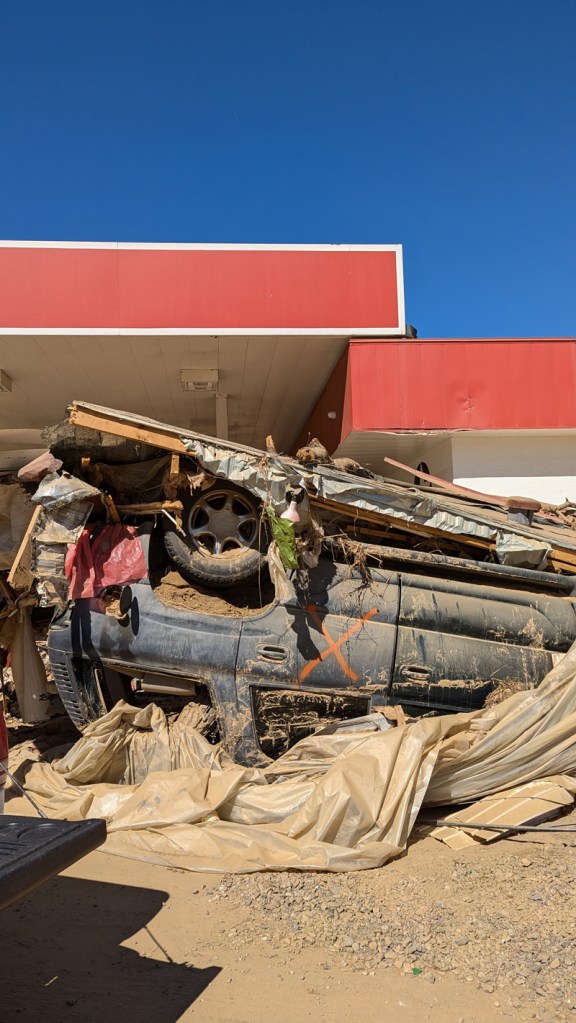
One of the great lessons of Samhain is that death and life are inextricably linked, like two sides of the same coin. All death involves regeneration; every death is a rebirth. We celebrate death as the bringer of new life. When we allow ourselves, on this holiday, to peer through the veil, to be in touch with the energies of death and destruction, to enter the darkness, we also heighten our experience of and appreciation of life. We become aware of how precious life is. We are called to live in ways that honor the sacredness of life. As such, we are better able to examine our social and environmental policies to determine whether they are truly life-enhancing. We look to see whether they promote and sustain life on this planet or whether they will bring an end to life as we know it. We are called to honor the sacredness of all the elements, but especially water, the source of life and abundance on the earth. In doing so, we are healing our relationship to the earth, which in turn heals us as well. For without honoring the elements and energies that sustain our lives, we cannot be whole or healthy ourselves.
Water has long been associated with emotion, and on Samhain we share our sorrow, let our tears flow, dip into the well of grief as a way of cleansing and purifying ourselves of the multitude of emotions we feel— vulnerability, helplessness, fear, anxiety, and anger—as we mourn our personal losses and witness so much destruction around us. Our grief is like the sacred element of water; when we allow it to flow through us, we are healed. In grieving for our loved ones who have departed, may our tears cleanse and heal us; in grieving for the hurts inflicted upon the earth, may our tears help to cleanse and heal the earth as well.
On Samhain, as we remember those who have perished in Hurricane Helene, as well as other disasters around the world, we offer a prayer that their spirits, as well as the spirits of all those who have passed over, rest peacefully on the other side. We also offer a prayer for the healing of the earth, a prayer that we may be guided to bring balance back into the natural environment so that we might be in right relationship with the elements that sustain life on earth. We pray that in becoming more aware of death by remembering those who are no longer with us, we may become more aware of life—that we may live it more fully, with consciousness of the need to curb our own destructive potential while there is still time, so that we may create for ourselves a vibrant and healthy future aligned with the energies of life.
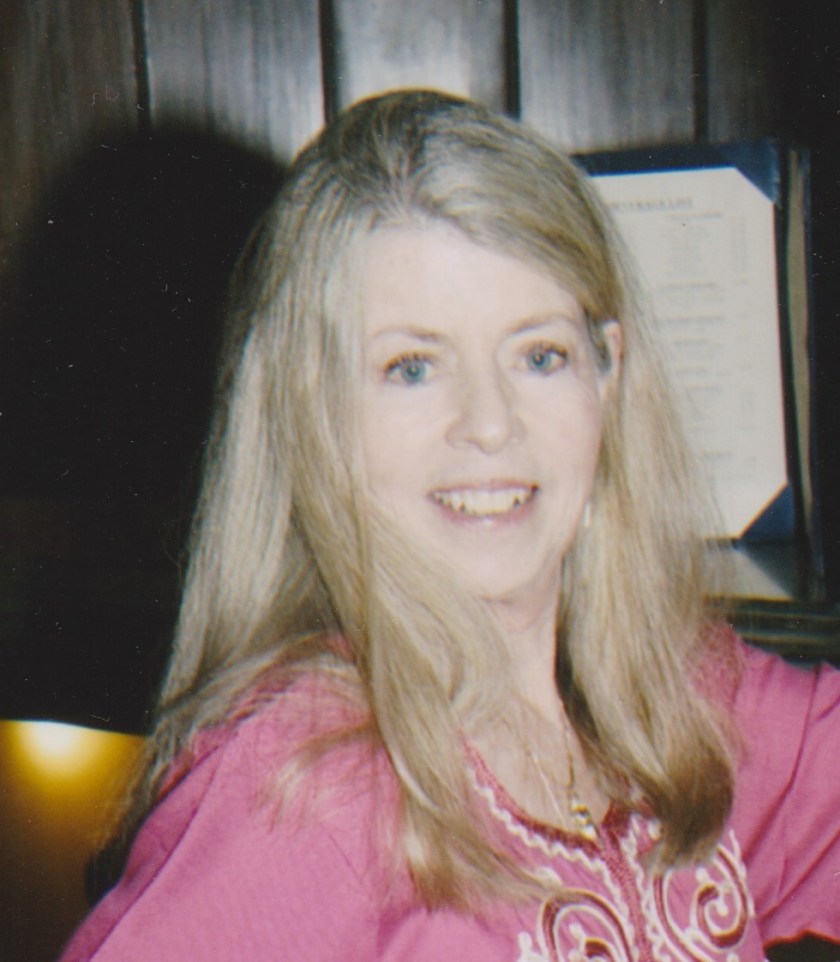
BIO: Susan Foster received a PhD in philosophy and taught philosophy at Wellesley College, where she also taught the first women and gender studies course. She left academia to enter a postdoctoral retraining program in clinical and community psychology at Boston University Medical Center. She currently has a private practice specializing in women’s issues. She founded and led the Women’s Spirituality Series for 13 years at the Unitarian Universalist Congregation of Andover, MA, which featured speakers such as Starhawk, Margot Adler, Mary Daly, Margaret Starbird, and Donna Read, among others. She is an active member of the UU Congregation in Asheville, NC, where she leads pagan rituals and serves on the Board of the Blue Ridge Spirit CUUPS chapter. She is currently writing a book entitled, Righteous Rage: Why Feminism Needs the Fierce Goddesses.
Discover more from Feminism and Religion
Subscribe to get the latest posts sent to your email.
 Feminism and Religion
HelloGood morning, from Virginia! I read and shared both parts of this beautiful and powerful work and am grateful to have come upon it.
As I write a creak flows down a canal outside my window. There are ducks, geese and all manner of water life. It is a small green space within the city and is one of the main reasons I came here. Blessings to you for understanding the import of water. Blessings.
LikeLike
You know every culture except the one in the US honors this turning as a process – Americans never got it (excluding Native peoples who continue to live the wheel of the year honoring the eight spokes in a more fluid way) We are still adolescents – and so all we want is to have more “fun” and to buy more stuff when all around us destruction looms and the earth is showing us what happens to adolescents when they are unable/unwilling to mature….Nature will survive but humans may not – it’s too late – we have set a monstrous wave in motion – and now we shall live the consequences. What we can do is to begin to create community amongst all peoples to deal with the future surrendering the big “I”….
LikeLike
Great article! We had better change our course or we will be thrown off of earth, that is how that works, Gaia is just fine.
LikeLike