

Mary:
Like many of you, I struggle to balance spiritual, emotional, and physical well-being in these chaotic times. As women, we’re conditioned to prioritize others—family, work, community—while systemic injustices demand our energy daily. It’s like Sisyphus pushing his boulder: exhausting, endless. But rediscovering the FRIEND acronym, created by Reverend Bernadette Hickman Maynard, helped me reframe self-care and I wanted to share this with my FAR community. Bernadette, how did this concept come to you?
Bernadette:
In December 2023, I was the pastor of a church, deputy director of a community organizing nonprofit, mom to four kids, and a wife. My body rebelled and I had pain in five areas, dizziness, heart palpitations, panic attacks. I’d cry uncontrollably. I was burned out. Finally, I took six weeks off from everything. During that time, I realized I couldn’t fight for others’ liberation while sacrificing my own. So I created FRIEND—six practices to reclaim my joy – and determined to “be a FRIEND to myself” every day.
Mary:
Your story resonates deeply. We’re rarely taught to prioritize ourselves and pay attention to our physical and emotional needs. There’s always another task that seems to take priority over self-care and it’s easy to burn-out. How does Be A FRIEND work?
Bernadette:
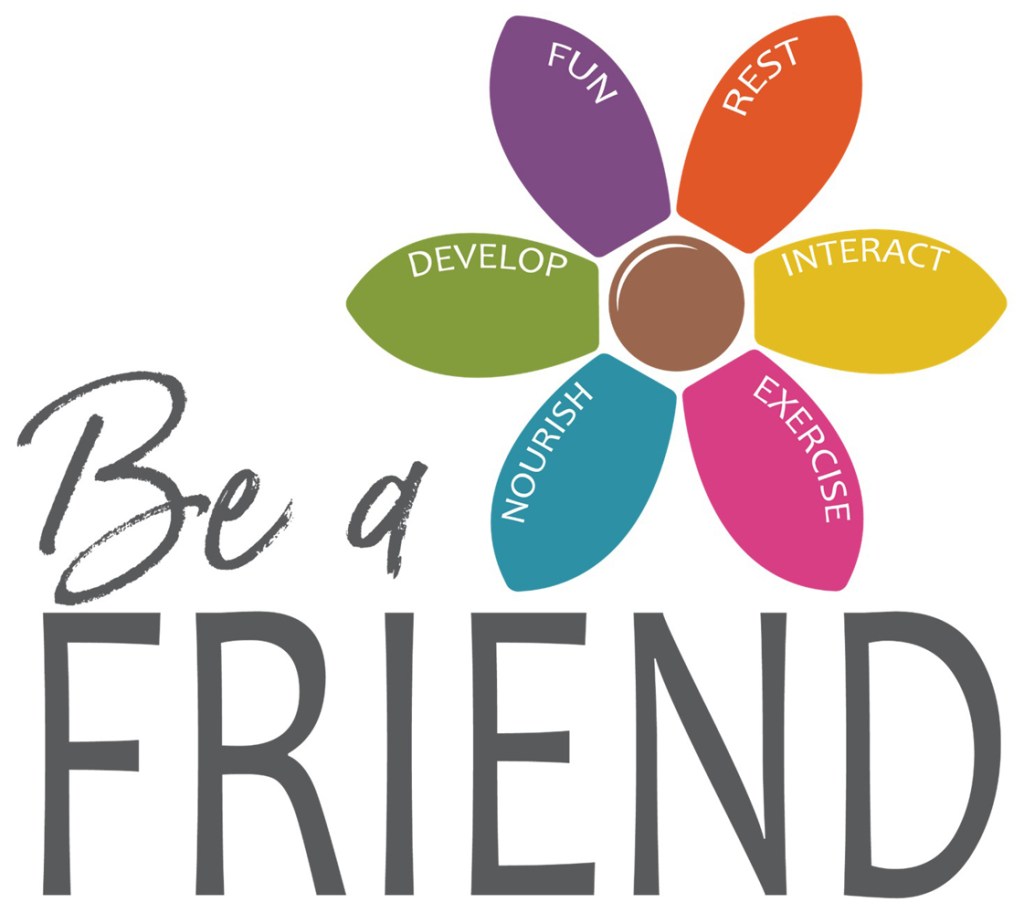
It’s practical. Each letter represents a pillar of self-care. F is for Fun. Do something daily that makes you laugh or smile—no productivity strings attached.
Mary:
Fun first! But honestly, I struggled with this. I had to redefine “fun” as small joys, such as smelling flowers or dancing to the oldies in my studio. It doesn’t need to be elaborate, just enjoyable.
Bernadette:
Exactly. Having fun is about doing things that energize you, delight you, make you come alive, no matter how big or how small.
R is for Rest. Prioritize sleep, schedule breaks, and work at a restful pace. Don’t pack your calendar back-to-back.
Mary:
Sometimes the things that are fun and bring me joy are also very restful. Lying in a field and watching the moon move across the night sky is deeply relaxing and awe inspiring for me.
Bernadette:
That is a very important point, Mary. These FRIEND practices are not mutually exclusive. I love to curl up on the couch with my husband and watch comedy shows. That is fun, restful, and together time, which brings me to the next principle.
I is for Interact (Joyfully). Connect with others in ways that center joy. As a mother, pastor, and organizer, so many of my interactions with others were very meaningful, but also very depleting. Seeking out joyful interactions with others moves us beyond the “servant mentality” of meeting others’ needs to a “FRIEND mentality” of sharing mutually uplifting moments of delight. We are reminded to savor life’s pleasures with others, not just labor for them.
Mary:
When we first discussed this, I asked if pets count. You hesitated, but I’m friends with a handful of older women who live alone and consider their dogs to be their best friends. While this doesn’t speak very highly of their human companions, it does suggest that animal companions can provide daily joyful interaction.
Bernadette:
You convinced me! Joy is joy—whether it’s shared with a human friend or one wagging a tail. Companionship matters, even if it is furry.
E is for Exercise. Move your body daily. This doesn’t have to be an intense workout, just whatever gets your blood flowing and your body lubricated in ways that are enjoyable to you.
Mary:
Living with a dog definitely helps with that!
Bernadette:
Moving on, N is for Nourish. Nourish yourself with healthy and delicious foods. But this isn’t about restriction. Eat foods that taste good and make your body feel good. For example, I love fettuccine alfredo, but a full plate leaves me sluggish. Half a plate? Perfect. It’s about listening to your body, not dogma. And it’s also about remembering to eat. I would go through my day, get busy, and forget to eat. Then I would get hangry and lose focus.
Mary: I love that this point includes reminders to eat. You’re right—women who work in challenging, stressful jobs can easily forget mealtimes, thus cutting focus and productivity. I want to add a shout out for drinking plenty of water too. Hydration is important!
Bernadette:
Yes, it is crucial.
Finally, D is for Develop. Do something that makes you grow, makes you stronger, better able to withstand the challenges of life, better able to lead an abundant fulfilling life. That could be prayer, meditation, reading scripture or self-help books. It could be doing strength training or physical therapy exercises. It could also be having a difficult conversation where you say no and set boundaries.
Mary:
So Fun, Rest, Interact, Exercise, Nourish, Develop. Is that all there is to it?
Bernadette:
That’s it. Being a FRIEND to yourself isn’t about perfection. Some days, “Fun” is laughing at a 20-second meme. “Rest” is closing your eyes between emails. The point is consistency, not grand gestures. It’s not about going away on retreats and getting away from it all so you can heal. It’s about living your everyday life in ways that will sustain you and give you joy in good times and bad times.
Mary:
It seems so easy, but sometimes I have a hard time prioritizing self-care when there are other demands on my time and energy.
Bernadette:
Many faith traditions have a version of the biblical concept, “Love your neighbor as yourself.” This admonition assumes that to love and care for others, you must first love and care for yourself. It’s also like the emergency airplane instruction to put your own oxygen mask on first before helping others. If I am sick, depleted, burnt out, I cannot be there for my family or for the movement. We must reframe self-care as community care. Self-care is not selfish. It is essential. And it is the only thing that will sustain us.
Self-care also gives others the opportunity to grow. During my leave, I had to confront my savior complex. I thought everything would collapse without me—it didn’t. The world kept turning. That humbled and freed me, while also giving others more space to exercise their gifts and develop new skills.
Prioritizing self-care also teaches you how to prioritize other work and life demands. It helps you to realize that some of the things you thought were a priority, aren’t really all that important or urgent.
Lastly, I want to share the most important FRIEND insight that I have had since I returned from my leave: You don’t have to choose between self-care and productivity. To many, self-care is about taking care of yourself outside of work. You’re either taking care of business – family business, work business, church business – or you’re taking care of yourself. But that’s a false choice. We can pursue wellness and get things done at the same time. When I started integrating my FRIEND practices into my work, I was less stressed, more creative, more joyful, and even more productive. In fact, the only way I believe we will be able to truly thrive – mind, body and soul – and do our best work, is if our FRIEND practices are integrated into all aspects of our lives.
Mary:
This framework feels inclusive—accessible to single moms, activists, everyone. Any final thoughts?
Bernadette:
Start small. Pick one FRIEND principle today. Tomorrow, add another. Self-care is a practice, not a finish line. And remember: You deserve joy now, not after you’ve “earned” it.
Mary:
Thank you, Bernadette. To our readers: How will you be a FRIEND to yourself today?
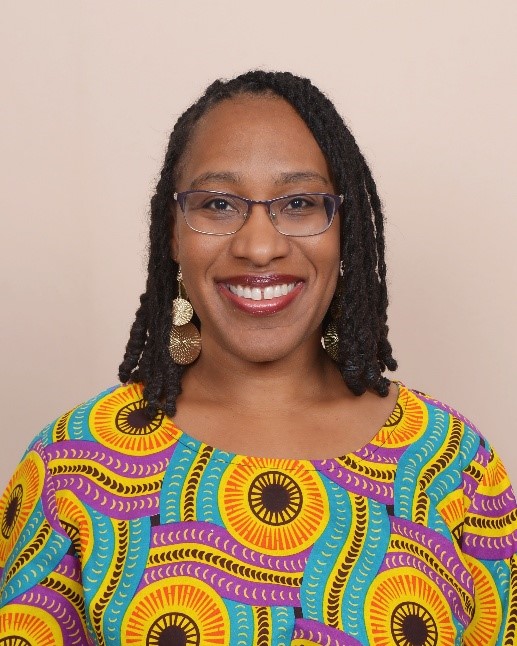
BIO: Reverend Bernadette Hickman-Maynard, Deputy Director of the Essex County Community Organization, is a seasoned activist, ordained elder in the African Methodist Episcopal (AME) Church and nonprofit leader with 25+ years in social justice work across diverse communities. Harvard-educated (B.A. in Psychology, M.Ed. in Human Development, M.Div.), she juggled simultaneous roles as a church pastor, community organizer, wife and mother to four school-aged children—until burnout struck. As part of her healing journey, she created the FRIEND model and founded Be a FRIEND, a coaching and consulting practice that combats burnout by building personal and organizational systems of care that integrate practices of Fun, Rest, Interaction, Exercise, Nourishment, and Development so that people can thrive at home, at work and in community.
To contact Rev. Bernadette, visit www.beafriend.life.

Discover more from Feminism and Religion
Subscribe to get the latest posts sent to your email.

 Feminism and Religion
Thanks for sharing this information, Mary, and thanks to Bernadette for developing the FRIEND model. Self-care is so important, especially in these difficult times, as we all know.
LikeLike