

During my grade school years, I was a passionate fan of the Belles, the Racine, Wisconsin team in the All-American Girls Baseball League. My aunt and I would travel across town to Horlick Field to cheer them on—an experience that took place during the challenging times of World War II. Racine proudly carried the nickname “Belle of the Lake.” I don’t remember the players fitting the conventional idea of “Belles”; what stood out was their competitiveness and the exciting baseball they played.
Later in life, the movie *A League of Their Own* became a cultural touchstone for me, although I formed my connection to it years after its first showing. I first watched it during a twelve-hour flight across the Pacific Ocean in 2023. Expecting only nostalgia, I was surprised to uncover a profound connection to my past as I watched it two or three times during the journey.
The scenes reminded me of the evening games played just a few blocks from Lake Michigan. The cool breezes from the lake enveloped me, and I recalled how the ballpark served as an oasis, providing a blissful escape from the harsh realities of the war effort. There were no distractions—just baseball—a stark contrast to the Brewers games I attended later with my grandson, which were filled with Jumbotrons and entertainment gimmicks. Back then, the focus was solely on the game itself, although I must admit I secretly looked forward to the Brewers’ sausage race.
As I experienced the triumphs and tears of the Belles in the movie (yes, there were tears in baseball), I pondered why there are no women’s leagues today. I remembered how attendance at games began to decline after the war ended, leading to the league’s demise shortly afterward. Part of the answer may lie in a pervasive concern during the war: What would happen when the boys returned home? While this question primarily referred to the manufacturing workforce in our community rather than the Belles, it conveyed a subtle message about patriotism—suggesting that a woman’s place was in the home for the good of the country. I wonder if this influenced my own decision to retreat into marriage and motherhood soon after earning my bachelor’s degree in 1958.
Today, there is another call for women to focus on home rather than the world at large, in response to a drastic decline in the birth rate. However, this call lacks a concrete plan to support women in balancing motherhood with their personal development. Unfortunately, the burden of sacrifice largely falls on them. When I started writing this, my intention was simply to share a memory of my childhood with my children. I did not expect to uncover a deeper message related to the question I first heard as a child: What will happen when the boys return?
The boys did just fine. Many took advantage of the GI Bill and went on to become doctors, lawyers, and merchants—never returning to the factories where their fathers worked. As we became a consumer society, the economy expanded, and unemployment never returned to the lows of the pre-war depression.
Today, the solution lies in removing barriers that prevent women from choosing to have children. For starters, childcare needs significant improvement, and family leave would be beneficial.
I also wonder to what extent the Dobbs decision plays a role in this issue. Unquestionably, childbirth has become more dangerous since Roe v Wade was overturned. Today, if I were planning to become pregnant, I would choose to live in a state where I could be certain that, if anything went wrong—particularly in the later months—my life would be prioritized especially if I was mom to other children.
From my perspective, we as women have made great progress during my lifetime. After participating in the whispers of discontent in the sixties, I became a social worker and later went through law school and menopause at the same time. I earned my JD and practiced law for twenty years.
We cannot turn back and retreat to our homes. I don’t see that as beneficial for the country. Instead, I view it as primarily benefiting the patriarchy. Addressing the low birth rate presents an excellent opportunity for negotiation. If society truly values our ability to bear children, then it should provide us with what we need to do so as safely as possible while respecting our need for personal development.
One last question: did the girls of summer inspire me to believe that I was not confined to a career as a teacher, nurse, or secretary?
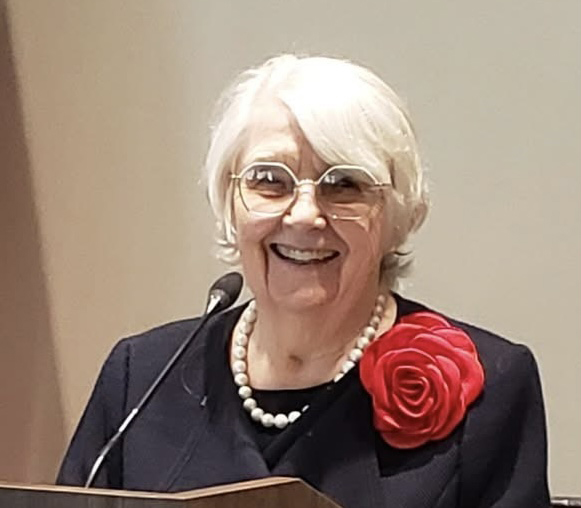
BIO Winifred Nathan: I identify as a feminist. My first job out of college was a sworn police officer. The force was one woman and one hundred fifty men. My degrees are BA, MSW and JD. I practiced law for twenty years. I now live in a retirement community which gives me an opportunity to catch up on my writing and reading.
Discover more from Feminism and Religion
Subscribe to get the latest posts sent to your email.
 Feminism and Religion
thank you for this fantastic piece! I was just in Milwaukee so was relating to the beginning and loved how it morphed into a rant about our lack of affordable childcare. Yes if they really want to improve our population density they must do better. You have had an amazing life! Good for you!
LikeLike
We cannot turn back and retreat to our homes. I don’t see that as beneficial for the country. Instead, I view it as primarily benefiting the patriarchy….. great point.
LikeLike
“If society truly values our ability to bear children, then it should provide us with what we need to do so as safely as possible while respecting our need for personal development.”
Tell it, sister!
LikeLike