

Moderator’s Note: The first part of this blog first appeared on the Yerusha website on Sept. 29, 2025. You can see it here.
From my earliest memories, I saw things others didn’t see and knew things I had no business knowing. I thought everyone noticed the dance of light around bodies, or the tiny life forms at the base of trees. I assumed everyone could feel another’s emotions as vividly as their own.
That illusion ended when my grandmother—my Savta—took me into the kitchen (where everything important happened), closed the door, and said: “Never speak of these things to anyone but me.” And so, my training began.
Savta’s gifts were different from mine. She had grown up in a circle of women and their daughters—a circle where wisdom was passed from generation to generation. In that circle, women taught each other, shared their insights, cultivated their gifts and skills, and preserved a legacy of sacred knowing.
The wisdom she shared with me was as ancient as the land itself. We began with reverence for the Earth and her elements—echoes of pre-patriarchal Goddess traditions. She taught me that everything is interconnected: harm to a tree, insect, or stream is harm to us. Respect is not something to demand, but to embody. I learned to ask permission before lifting a stone from its resting place, to give thanks to the fruit-bearing trees in my grandparents’ yard when I plucked the ripened fruit, and to recognize Creation as a web of relationship.
Continue reading “Dancing with the Divine by Rabbi Nadya Gross”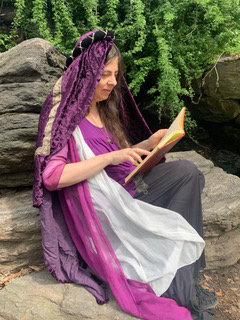
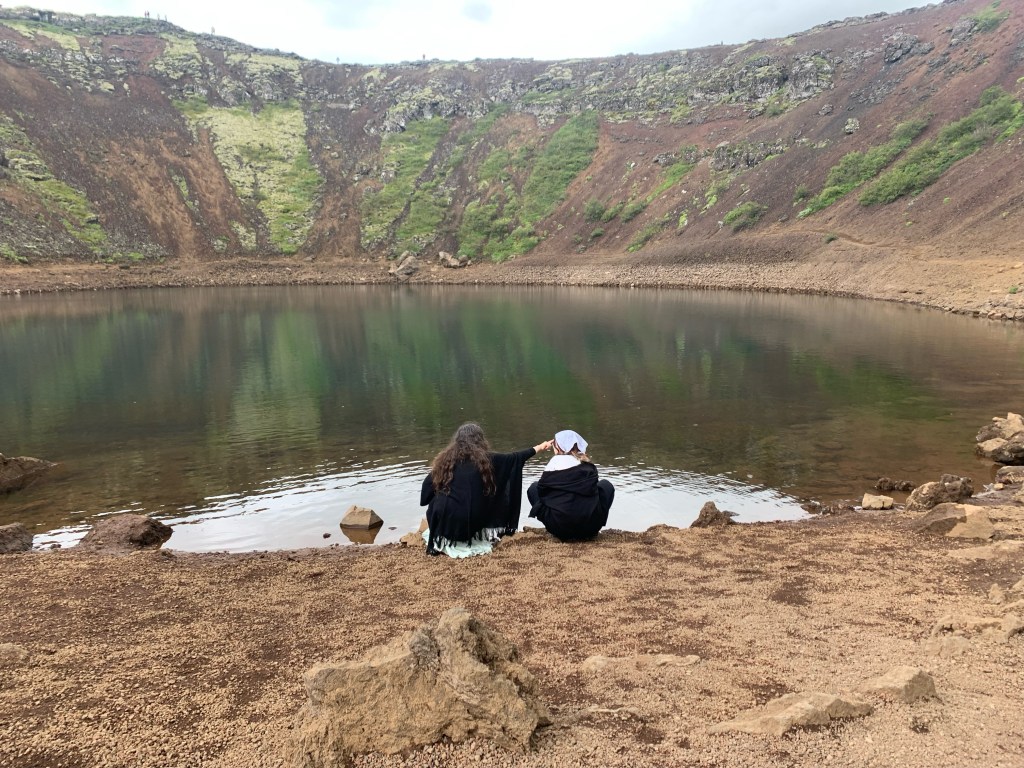
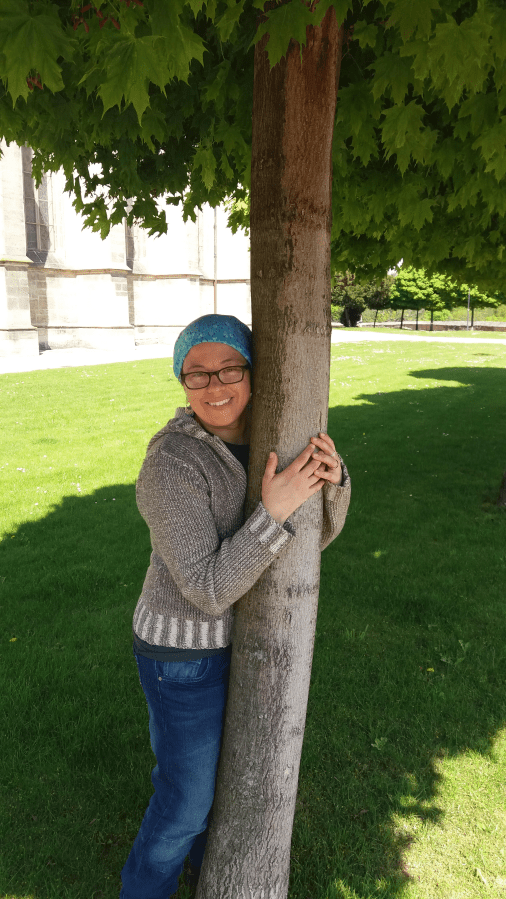 Tomorrow is Tu B’Shevat, the New Year of the Trees, or their birthday. It is the day of the year when all trees, regardless of when they have been planted, turn another year older. The rabbis standardized this day in an effort to minimize complexities, since in the land of Israel, fruit can only be eaten from trees that are four or older (Leviticus 23-25). Tu B’Shevat, then, on a practical level, marks how old fruit bearing trees are.
  Never has it been more difficult for me to affirm that “love trumps hate” as during this unprecedented United States election season. After watching the Republican Convention last July in mute horror, I took to bed for several days, overwhelmed by the presentiment that everyone–blacks, women, Jews, Latinos, Muslims, queers– other than a certain breed of white American males was doomed to shameless malignment and persecution. The palpable hatred in Donald Trump’s acceptance speech seared me, arousing my ancestral memory of various persecutions of Jews, Muslims, and others–not something I usually think about or choose to foreground. For several months now, I have been haunted (and almost paralyzed) by fear.
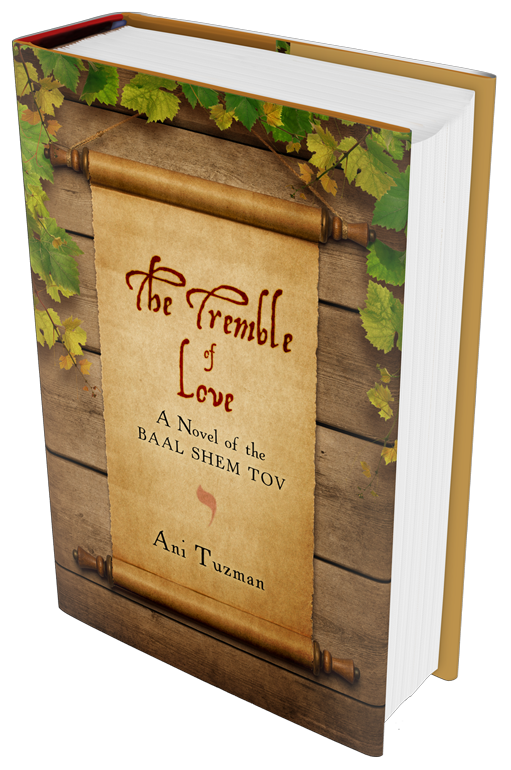 Hence Ani Tuzman’s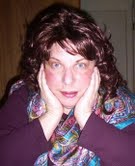

 Feminism and Religion