

“There was a time when you were not a slave, remember that.
You walked alone, full of laughter, you bathed bare-bellied.
You say you have lost all recollection of it, remember! ….
You say there are no words to describe it;
You say it does not exist.
But remember. Make an effort to remember.
Or, failing that, invent.”
From Les Guerilleres, by Monique Wittig, mid-20th Century French feminist writer
The first time I heard this quote from Wittig was in the mid-1990s when I took ‘Cakes for the Queen of Heaven,’ an introduction to feminist thealogy and the Great Goddess, created by the Women & Religion committee of the Unitarian Universalist Association. Cakes was my introduction to Carol Christ, feminist thealogy, and the Goddess. It changed my life forever. I’ve been teaching this program for close to twenty years now and as my understanding of women’s history and the role of patriarchy in our suppression has deepened, I continue to find new resonances with Wittig’s words.
“There was a time when you were not a slave, remember that.” This statement is relevant to all oppressed peoples and especially to women. History tells us that enslavement was a part of European culture long before Africans were kidnapped into slavery on this continent. Enslavement of the defeated was a common aspect of war, dating back to Biblical times. Many aspects of the feudal system dominant in western Europe for centuries were little better than slavery.
Continue reading “Remember! by Mary Gelfand”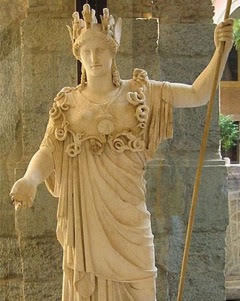
 Read Part I of

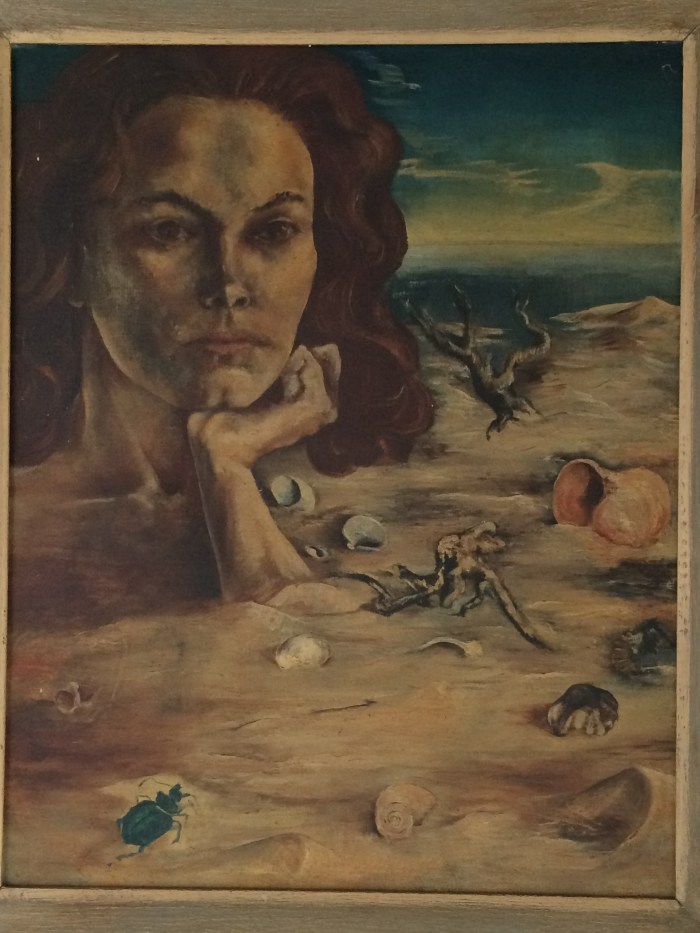
 In the ancient world, snakes represented fertility, creativity, rebirth, wisdom and, even, death. They were often closely connected to female goddesses, priestesses and powerful human females who were the embodiment of such powers. For example, there is the Minoan goddess/priestess holding the two snakes in her outstretched arms. She is closely linked with fertility and domesticity. Similar figurines, with similar associations and dating to approximately 1200 BCE, have also been founded in the land of what once was Canaan, where Israelites also lived. Medusa, in whose hair lived venomous snakes, turned men who looked at her to stone. Ovid’s account of the creation of Medusa credits the Greek goddess Athena with Medusa’s lively hair. Another Greek legend says Perseus, after killing Medusa, gave her head to Athena who incorporated it into her shield. Athena, the goddess of wisdom, is portrayed often with snakes wrapped around her as a belt and/or on the floor next to her.


 Feminism and Religion