

This was originally posted on March 14, 2017
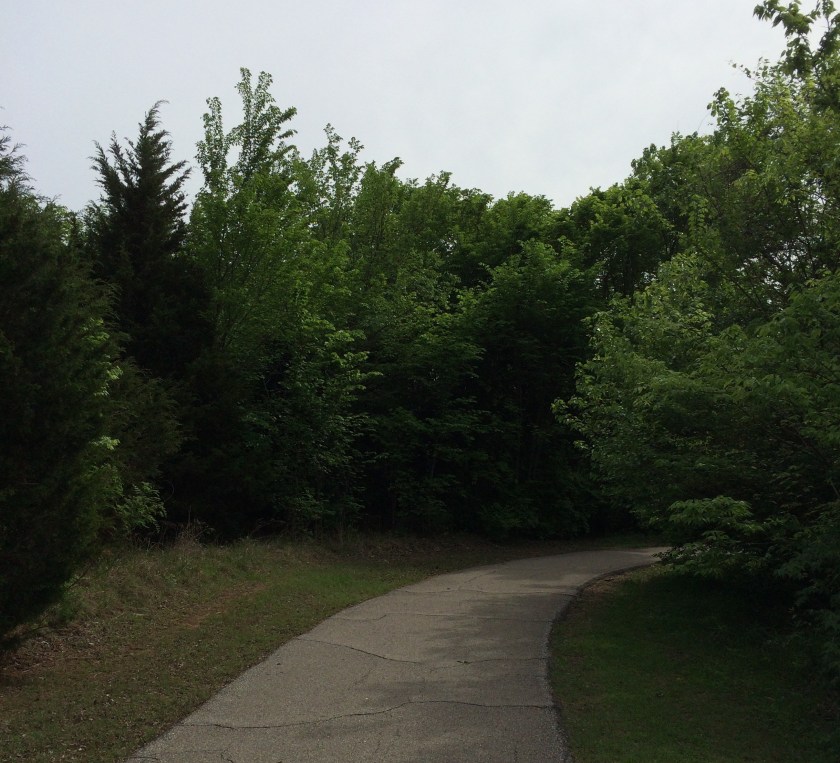
There is some very helpful guidance in the Qur’an for how we should and should not treat the earth. In my exploration of Qur’anic verses on the environment, I have found a great deal of Earth-love that I want to share.
The first idea is that the earth is not ours to trash and misuse recklessly or indulgently. Sura 2:284 says, “Whatever is in the heavens and in the earth belongs to God.” This sentiment is found throughout the scriptures. Individual wealth and the practice of financial profit and salary as reward has given us the illusion that, if we’ve earned the cash, we can do with it whatever we like. We can buy anything we want, show it off, hoard it, and then trash it. How often do we quell our suffering or attachments through consumerism as if there were no consequences? But we need to begin to shift to the perspective of honoring the earth as not something we are entitled to or even deserve. If we are supposed to be stewards of the earth, then fine. But it seems that selfishness and personal gain have distracted us, making us neglect our duty. The idea that the earth is a bestowed gift is embedded into the Qur’anic “golden rule”: “You who believe, give charitably from the good things you have acquired and that We have produced for you from the earth. Do not seek to give bad things that you yourself would only accept with your eyes closed” (2:267). Yes, we work the land to produce food, but not everything is within our jurisdiction.
One example of earth-based love is found in 2:20: “When it is said to them, ‘Do not cause corruption in the land,’ they say, ‘We are only putting things right,’ but really they are causing corruption, though they do not realize it.” What is corruption in the land? Drowning the land in pesticides and toxins, hiding our waste beneath the earth, spilling oil into the sea, factory run-off into the rivers, excessive landfills, radioactive weapons and bombing beautiful lands and historic sites in war, producing more than we need which ends up being more trash than the earth can endure, taking out oxygen-cleaning plants and trees for more concrete streets and buildings to store the things we don’t need. In Sura 2:205, we read about the non-earth-loving being: “he sets out to spread corruption in the land, destroying crops and livestock—God does not like corruption.”
Nature gives us emotional and spiritual healing. We are made of the earth, and looking at its raw landscapes, breathing in clean air, gazing up at a velvety black sky full of constellations can serve as a mirror to our goodness, teaching us invaluable lessons. According to the Qur’an, there are messages in the earth:
In the creation of the heavens and earth; in the alternation of night and day; in the ships that sail the seas with goods for people; in the water which God sends down from the sky to give life to the earth when it has been barren, scattering all kinds of creatures over it; in the changing of the winds and clouds that run their appointed courses between sky and earth: there are signs in all these for those who use their minds. (2:164)
and
There truly are signs in the creation of the heavens and earth, and in the alternation of night and day, for those with understanding, who remember God standing, sitting, and lying down, who reflect on the creation of the heavens and earth. (3:190-191)
How insane must we be to cut ourselves off from these universal and soul-deep signs just for continual, never exhausting shopping? How often do we reflect on creation?
Even our fantasies contain descriptions of beautiful earth. In the Qur’an, paradise is repeatedly described as “a shady garden graced with flowing streams.” It isn’t a golden palace or Trump Tower. Can we stop our madness of over-buying and over-consuming and over-profiting so that we can get out of the way of the earth, or at least work with it? My heart feels warmed by organizations like greenmuslims.org whose byline is “Building an organic source of environmentalism within Muslim Communities.” Their mission is “To be a source in the Muslim community for spiritually-inspired environmental education, reflection, and action. We engage locally while serving as a national resource.” They have posts on suggestions for a more sustainable Ramadan and instructions on how to rent a “Zero Trash Kit” for gatherings. Building community while being sustainable seems like incredible spiritual practices to me. One of the most interesting parts of their site is the Green Scripture Project where people log on to add to a database of scripture and wisdom from Islamic tradition that embodies earth-based love. You can search by source type, chapter and verse, aspect of nature, or principle. I am incredibly excited about it.
Other resources I have come across include Greenprophet.com, a news site started by Karin Kloosterman, a journalist based in Israel, which has posts about sustainability in the Middle East. Also, Khaleafa.com, a resource for the Muslim environmental movement in Canada. Their motto is “Awakening our stewardship responsibility through action.” Anyone can submit an article.
I find it inspiring that, as I wander through wisdom traditions, care and awareness of the land as well as guidance for compassionate production and consumption are strikingly present. It is also important to explore what people of faith are doing to heal the earth and each other as we move toward ever-increasing global harmony. This is one way to find our differences inspiring, as something to celebrate. Especially when diverse perspectives add on yet another basis for acting compassionately toward creation.
Discover more from Feminism and Religion
Subscribe to get the latest posts sent to your email.

 Feminism and Religion
This is such an amazing post. Beautiful. Green spirituality is something I love very much.
LikeLike