


The Torah portion for March 29, 2025 was Pekudei. Quite often this parshah is read with Vayakhel. In fact, I have written about the double parshah Vayakhel-Pekudei before, but focused on only Vayakhel. Now, it is Pekudei’s turn.
Like parshot Vayakhel and Terumah as well as other parts of the book of Exodus, Pekudei focuses on haMishkan, the Tent of Meeting or Tabernacle. We read about calculations concerning the costs of the constructions, instructions for the high priest’s garb, ritual washing of hands and feet, when to construct and when to deconstruct the traveling tent, and the divine presence as cloud and fire. In Pekudei, we have no mention of women and no mention of any Israelite men barring the religious elite: Moses, Aaron, and Aaron’s sons. Therefore, in this commentary, I want to discuss contradictions in the text that speak to (1) a consistent divine presence that seems to argue against animal sacrifices and (2) the ways in which the natural world and Israelite religion went hand-in-hand.
One thing that is quite obvious in the parshah is a struggle regarding divine immanence. The parshah offers contradictory instructions. Before entering the Tent and, I assume, when setting up its innermost parts, Moses, Aaron, and his sons are required to wash their hands and feet (40:30-32). Then, upon completion of the Tent, the divine descends to dwell there in the form of a cloud (40:34). When this happens, Moses can no longer enter the place (40:34-35). When the cloud leaves, the Tent is disassembled and packed, and the Israelites follow the divine presence through the wilderness (40:36).

This whole scene leaves me with questions. Was it only Moses who could not enter the Tent, when the divine was there or does this prohibition also include Aaron and his sons? If the prohibition includes more than just Moses, when would the high priest and other priests enter the tent to perform sacrifices and worship, if the minute the (re)construction was complete, the divine would settle over it and fill the space with divine presence? Rashi’s commentary to verse 40:31 acknowledges that Moses had the same status as the priests (Aaron and his sons), which is why he is allowed to enter the Tent, yet not when the cloud is there (40:35). Yet, Rashi does not mention whether the prohibition to enter the Tent when the cloud was there also applies to Aaron and his sons. Considering the worship and sacrifice that was required, one would have to assume not. Rashi only states that there were times when there was no cloud over the Tent, which would allow Moses to enter and converse with the deity (40:35). Rashi’s commentary ignores the next verse that signals the Israelites to pack up camp and the Tent, when the cloud lifts off the Tent.
The logic here is strange indeed: when the divine presence is there in the Tent, when one would think it would be possible to commune and communicate with the divine, one cannot, but when the cloud leaves – the divine presence withdraws – then conversation with the divine is possible. One interpretation of the possibility of divine communion without a visible divine presence could signal that the divine is always there even when not visible, which is a rather salient feature of modern Judaism. Yet, it could also mean that even then animal sacrifice and burnt offerings were not as pleasing to the divine as visible indwelling. Hear me out. If Aaron and his sons would not be able to enter the Tent to perform sacrifices and offerings when the divine presence dwelled there, it would assume that sacrifices and offerings rarely if ever took place and that the divine did not require these offerings and sacrifices to be close to the community. Thus, all that was required was the physical space for the divine presence to dwell. Here is another argument against animal sacrifice that comes straight from the words of Torah activating our modern (eco)feminist sensibilities of justice and right living.
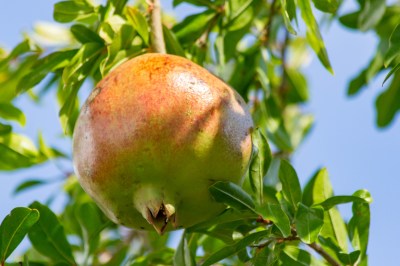
Turning to ecofeminism, I have written about the ways in which religion could distance humanity from the planet. I have also discussed how the overuse of resources, even relating to the construction of the temple, is problematic here. Yet, we do see in Pedukei, a connection between the natural world and the religion in which the beauty of the natural world is acknowledged and a complicated relationship between humanity, divinity, and nature plays out. One instance of this is the various precious stones used in the High Priests breastplate (39: 10-14). Another is the pomegranate-shaped adornments of the priestly garments (39:24-26). These garments, imbued with nature and its symbolism, mark holiness (39:30). Yes, it is an elite form of holiness, but nonetheless a holiness directly tied into and composed of elements of the natural world. In addition, the divine dwells amongst the Israelites as a cloud and leads them as one by day and as fire by night (40:38). Here, the divine is represented through nature. In all of these ways, humanity imbibes nature with sacred meaning and the use of natural elements does the same for humanity.
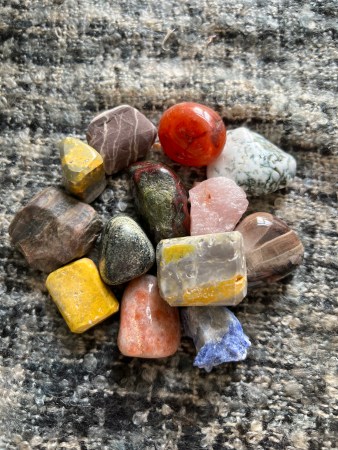
Pedukei contains elements ripe for an ecofeminist reading. The parshah may hint at the idea that animal sacrifice was never required or at the very least was considerably less important than the indwelling. In addition, the parshah takes the most holy aspects of the divine – the indwelling – and combines them with visible representations of the natural world. Finally, elements of nature, precious stones and pomegranates, figure prominently in the priestly garb. All of this signifies a complex interplay between human, nature, and the divine in which all sanctify and are sanctified through that interplay.
Discover more from Feminism and Religion
Subscribe to get the latest posts sent to your email.

 Feminism and Religion