

I nearly cancelled my recent trip to the United States. The political climate felt tense, the global atmosphere uncertain, and travelling across the Atlantic seemed questionable for several reasons.
Friends encouraged me to go anyway, suggesting that meeting people in person would offer a different perspective from the one shaped by media narratives. And of course, it wasn’t headlines I was meeting, but people, in a human reality that persists beneath larger systems. Thankfully, my trust in relational experience outweighed my hesitation, and I returned from my travels with renewed inspiration.
I’m writing this essay because many people I met spoke with an apologetic tone about being American. They expressed disbelief, embarrassment or anger about their conspicuous yellow haired chief. I just want to acknowledge the warmth, generosity, care and humanity I encountered wherever I went.
The entire experience confirmed what I have long sensed in my work with movement, ritual and community: that embodied presence, especially in uncertain times, is such a remedy for heart and soul. What I encountered was meaningful human contact, even in a politically divided country.
I participated in two unique gatherings, a Qi Gong retreat in the mountains near Los Angeles, CA, and an academic symposium at Yale University in New Haven, CT. Both were spaces of embodied encounter and inquisitive minds, where the atmosphere was shaped less by ideology and more by relational attention.
Community as Medicine
What inspired me most across these gatherings, was the quality of community itself. Moving together created a stability in bodies, and a flow between hearts. From that place, conversations emerged from genuine interest, with both silence and deep listening as important ingredients.
Mimi Kuo-Deemer, who facilitated the Qi Gong retreat, spoke of a digital detox, as well as a detox for heart and mind. Social media causes our gaze to be glued to the screen, in a narrow focus that excludes a wider perspective and often restricts the breath and tenses muscles. This physical aspect of social media triggers fight or flight mechanisms. When we dare to switch off, even if temporarily, from the ‘danger signs’ we are constantly exposed to, the nervous system gets a chance to regulate.
Making time for community, away from screens, gives us a chance to arrive more fully with, and in, ourselves, enabling us to be more present with each other as well. This kind of heart- and body-based gathering does not erase political realities, but it offers another way of inhabiting them, and resourcing ourselves as they unfold (see my earlier article on Playing the Long Game during Paradigm Shifts).
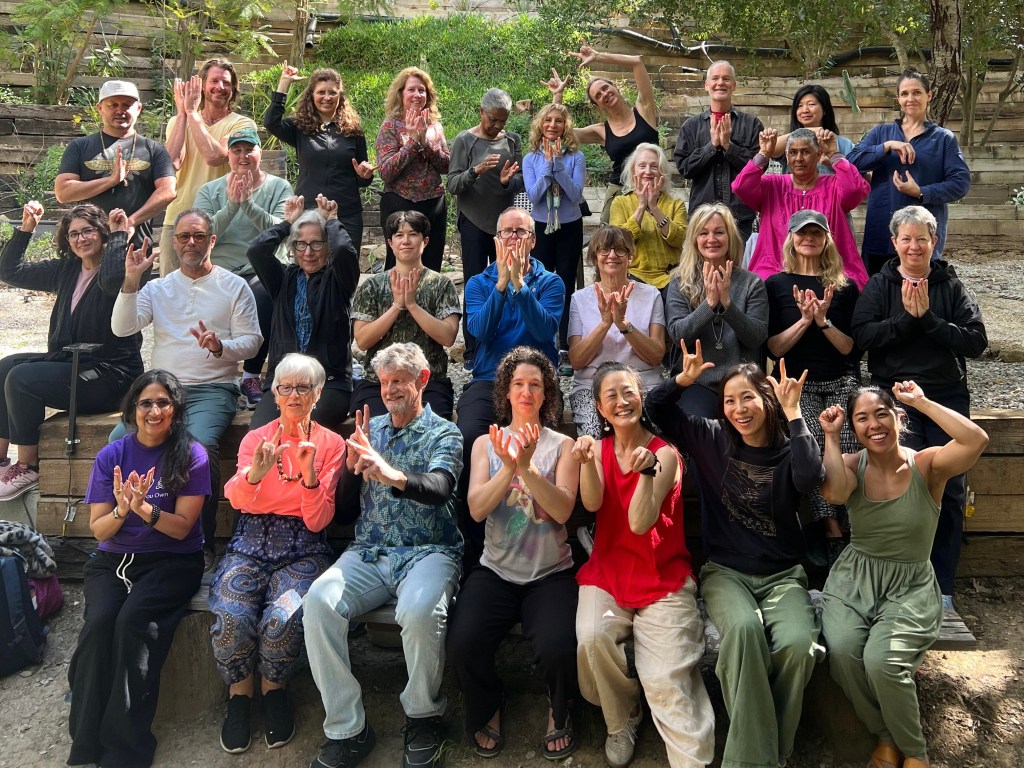
Participants at Mimi Kuo Deemer’s Equinox Retreat 19-22 March 2026, all in one of the Qi Gong postures we appreciated over the days of practice together
Embodiment as Resistance
I was also reminded of my upcoming chapter on Nature, The Environment and Solitude, where I review the changing relationship with nature since the beginning of the 20th Century.
During the Flower Power period from roughly 1960 to 1980, ecofeminism and goddess spirituality emerged as currents that reclaimed embodiment as both spiritual and political practice. Activists such as Starhawk and Monica Sjöö drew on ancient traditions while forging new pathways that placed ecology, ritual and relational community at the centre of resistance to dominant patriarchal structures.
Starhawk’s work emphasised interconnectedness, ritual practice and ecological responsibility, later extending into permaculture and social justice activism. Monica Sjöö’s art and research envisioned nature as a womb of life and a site of resistance, calling for the reclamation of feminine divinity and relational spirituality. Their approaches proposed that transformation does not occur only through policy or protest, but also through how bodies gather, how communities form, and how ritual reconnects human beings with one another and with the living world. You might also like my recent Substack Post Move Back into Belonging.
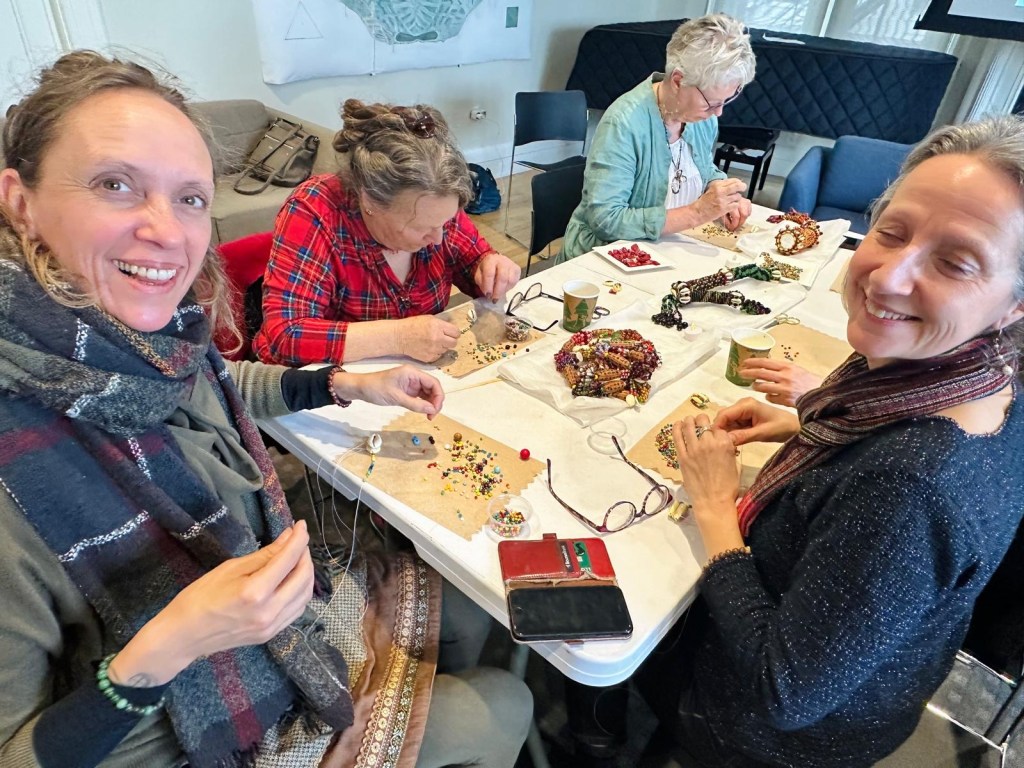
Community in a sacred bead workshop with Martin Tsang at the Yale Symposium: Healing with More-than-Humans: Environment, Historicities, and Sacred Materialities, 26-27 March 2026
Both gatherings echoed this. Although one centred on Qi Gong practice, the other on academic explorations and material practice, both curated spaces where embodied knowledge mattered and where relational presence shaped the tone of interaction. People spoke from lived experience without needing to defend it. Movement practices opened dialogue, and dialogue deepened movement.
This doesn’t have to be about consensus or uniformity, but rather invites a sense of relational coherence through somatic awareness. This way, embodiment offers a form of resistance not through opposition and strife, but as a bridge across differences. Through presence, making space and slowing down, complexity can flourish without becoming divisive.
Bodies Beyond Borders
These encounters also highlighted the distinction between political systems and lived human experience. It is easy, particularly at a distance and out of context, to view a country through the lens of policy, rhetoric or economic tensions.
Yet every person I met was generous, welcoming, full of sparkle and humour, dared to care and be vulnerable. I just want to thank you all for reminding me that we are the kernel of hope for each other in dark times. Isolation is devastating, and community literally helps us stay afloat.
As I’ve thought so many times, it is through the body that we recognise that we are all human – each with a beating heart, a yearning to belong and to create a future for our peoples. The body as a site of recognition precedes any ideological alignment or abstract national borders.
Jonathan Horwitz, one of my shamanic teachers, often says ‘if leaders would only dance together before they come to decisions, the world would be a different place.’ I truly believe that embodied gathering functions as a form of diplomacy. Presence can hold nuances without collapsing into polarity. This way, connection remains possible, perhaps because we can let go of words and rest in the ‘simplicity’ of being in movement together.
Embodied community honours knowledge that emerges through experience and attention to the lived body. In times of uncertainty, this multidimensional knowing offers more stable ground than frantically trying to keep up with the latest news. It reminds us that meaning is not solely constructed intellectually but perhaps even more so felt, sensed and shared.
Hope in Human Encounters
Returning from this trip, what lingers is a sense of hope, not for immediate or sweeping solutions, but because of the texture of our human encounters.
Please let these dark days not diminish you. Keep meeting each other from the heart. Resist reduction to labels and abstractions. Resist the fear-mongering in your own way. Yes, you are allowed to switch off your phone, to not read the news every day. You are allowed to create some distance between you and political structures. That doesn’t mean that you don’t care. It means that you are resourcing yourself, to keep the flame alive as we traverse these challenging times together. Hope lives, even in this fractured world.
Invitations
As usual, I have a few invitations for you for different connections and communities… In chronological order: an online talk, a move in nature week from wherever you are, and an in person pilgrimage to Avebury!
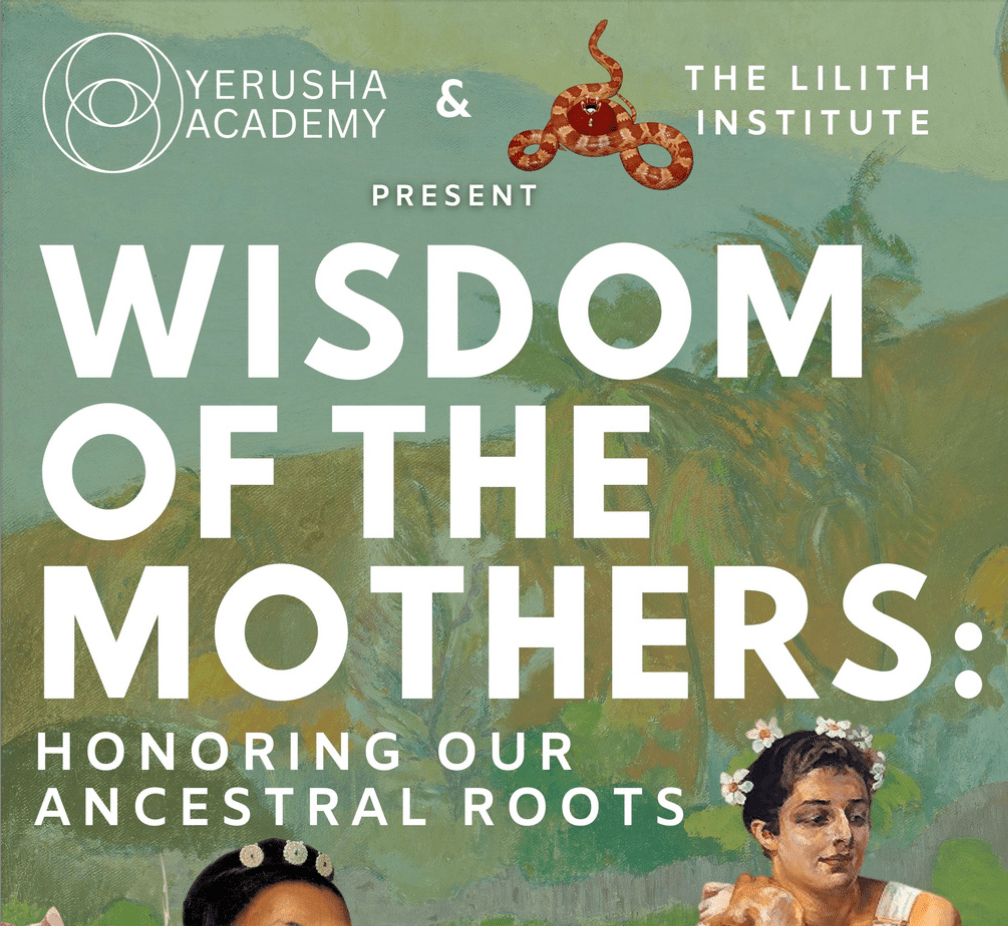
I’m delighted to present at this virtual seminar to reclaim the wisdom and resilience of our foremothers. My talk on Moving Through Time: Neolithic Pilgrimage as a Path to the Ancestral Mother resonates with the third invitation below!
📅 22-23 April 2026, online
✍🏽 Sign up
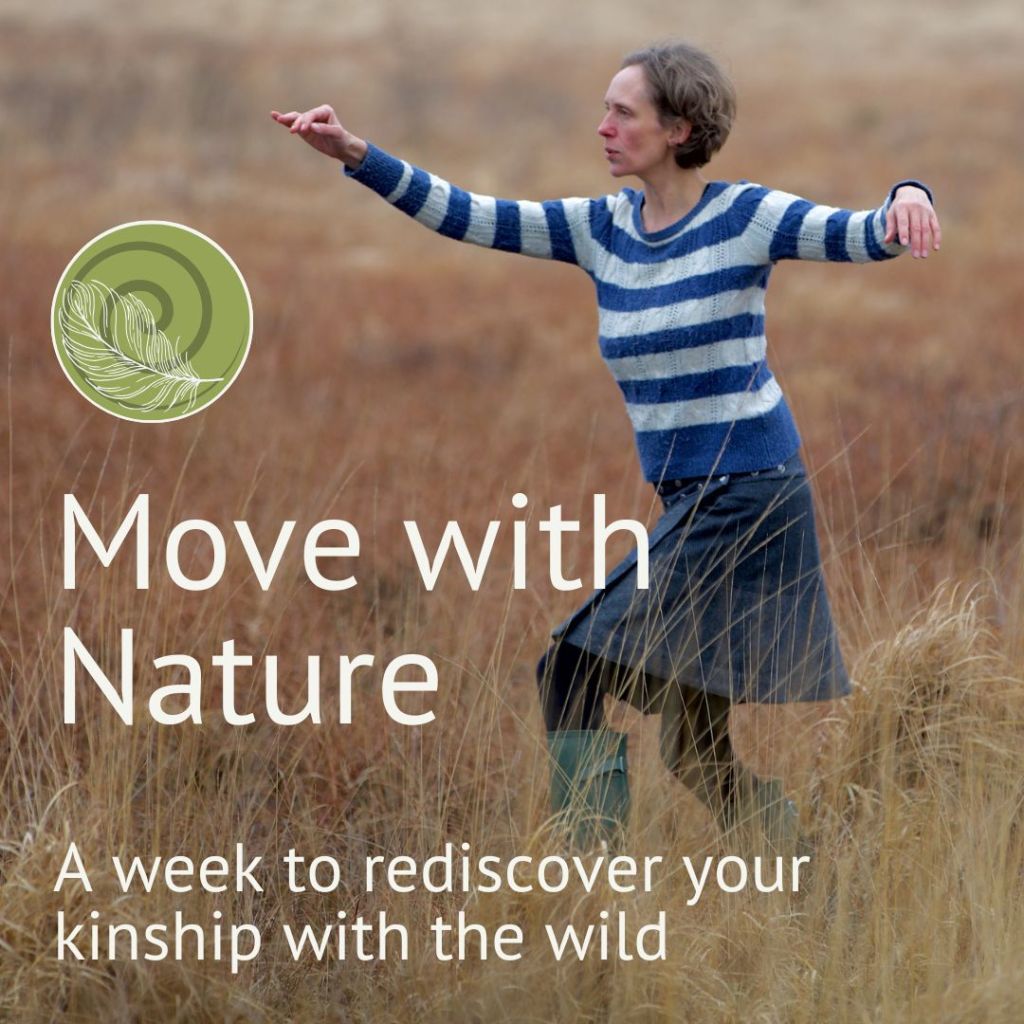
Rediscover your embodied presence and kinship with the natural world, in this first Move with Nature week. No experience needed, just curiosity and a willingness to move with the living world.
📅 1-8 May 2026, online
✍🏽 Join
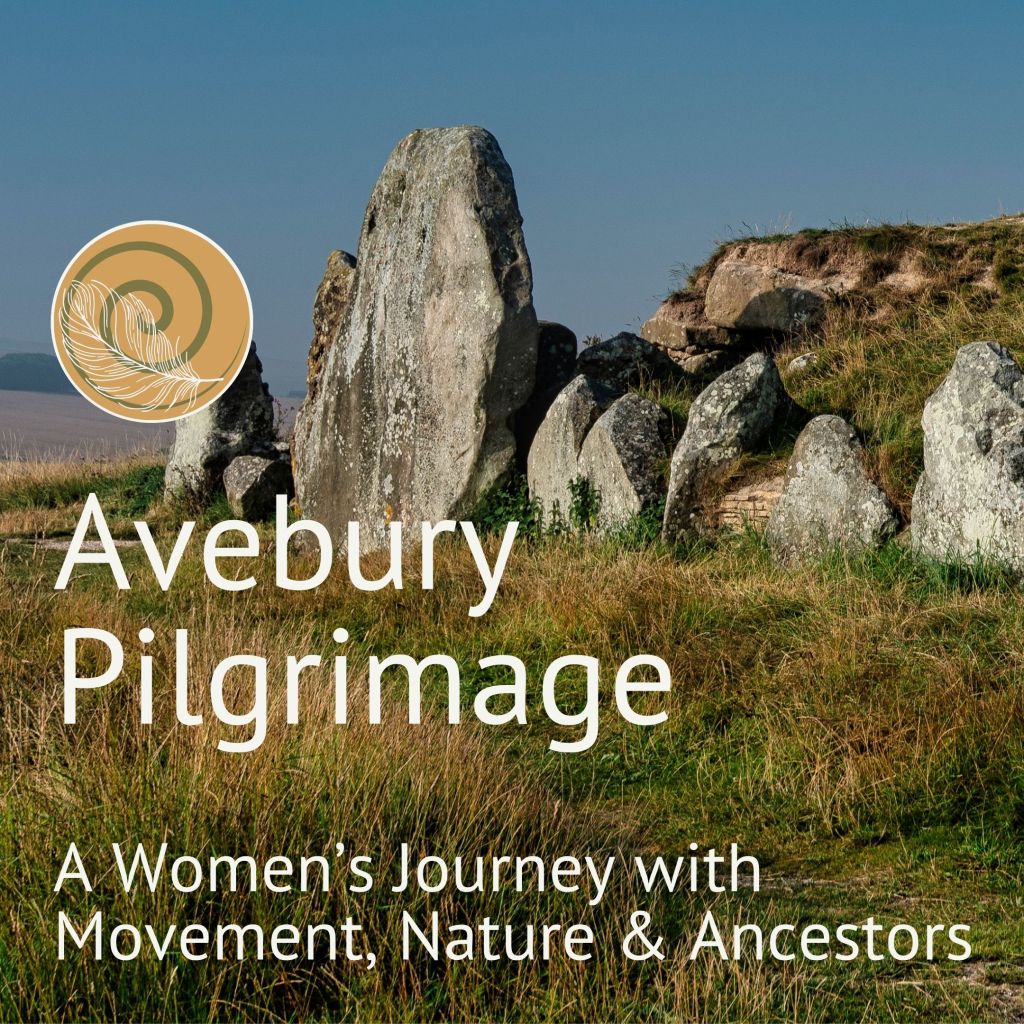
Join me in Avebury, a magical landscape of stone circles, avenues and hidden chambers, a place to rest and recharge just after Midsummer!
📅 22-26 July 2026, in person
✍🏽 Read More
Bio

Eline Kieft is a Qi Gong teacher, anthropologist and changemaker exploring embodied ways of knowing. With a PhD in dance and training in shamanic practice and Movement Medicine, she bridges academic insight with embodied spiritual practice.
Her book Dancing in the Muddy Temple blends theory and practice in service of land, body, and spirit. Now leading Wild Soul Centre for Embodied Consciousness, she offers coaching and courses to support deep transformation and inner strength through movement and the body. Try out her Qi Gong Membership for free! You can also find her on LinkedIn, YouTube, Instagram and Substack.
Discover more from Feminism and Religion
Subscribe to get the latest posts sent to your email.

 Feminism and Religion