


Mauro Drudi’s installation of LEI (SHE/HER/YOU – formal) in the Chiesa de San Cristoforo on the Sicilian island of Ortigia where I usually take a bus to daily has become the shrine of women I’ve been searching for. Each time I cry, I am glad I can feel something: those tears are a mixture of communion, comfort, and recognition.
When one enters the church, there are two converging walls. On either side, a woman’s face is painted in shadow and light, gazing off toward the light, is reproduced over and over so that the number of women looks almost countless. They are the same face, a reproduction of Antonello da Messina’s “Annunziata” in the mode of pop art. The difference is not in expression. They all wear the same thoughtful, complicated, neutral countenance, holding deep thoughts and experiences of suffering and wise knowing, both acceptance and maybe resistance; they have lived and might be any age, although I see in our connection my own. The difference is between glossy, unblemished surfaces of wood vs. surfaces weathered, slightly ragged, sometimes scribbled on with ink. The former, found on the right when one enters supposedly represents the “positive” woman, the “western woman [. . . representing someone] happy, gorgeous, well-kept.” On the left, about these representations, Drudi says, “Which artist can paint the skin of a woman who has been abused, beaten, exploited, captivated or disfigured with acid? In my opinion, nobody, and so I let the material speak: the wall of a beach hut destroyed by a storm; woods and materials used and abused [. . .]; exhausted panels deriving from carrying tons of goods, tables, packagings, production wastes.”
 I am falling in love with failure. At least I’m trying. It is time I have to.
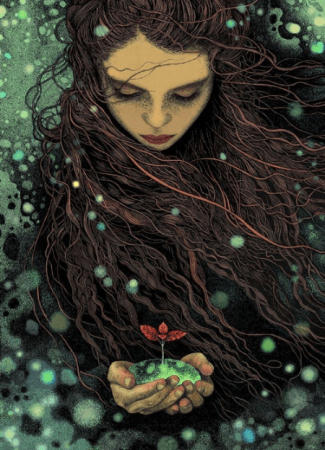
 I’m the type of insecure wallflower who has deleted social media accounts, blogs, photos, poems, and journals because 1. I am not good at commitment or planning, 2. I shame myself for being eclectic and lacking consistency, and 3. a sentiment I have either created or exists in some form externally prods me to brand myself, something I cannot do well (see no.1 and no.2). Oh, that doesn’t mean I don’t find the brand smart, and maybe calling it a “brand” condemns it to consumerism and commodities, when really it is being focused where I am distracted and a frivolous sensationalist.

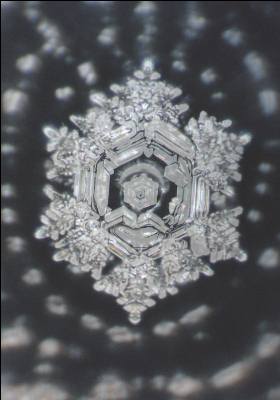

 How the voices speak of what is and isn’t tastes of a superficial sauce I let drip from my lips. In the first dialectic of aging (harkening back to Marie Cartier’s helpful division of conversational foci), usually what is spoken about has little to do with our mental, spiritual, or emotional states. It is not a comment on perhaps what it should be: how evolved in consciousness or how mindful a soul is, how evolved in practices of discipline and surrender one is, how creative we have been in our attempt to ease the suffering of ourselves and others. It is not this because when people comment on age or how old someone might be, it is usually, in my recent experience, from one who knows not a person well enough to address any of these former possibilities nor in a situation where those in conversation have the luxury of mulling over such glittering, dazzling musings.
 Feminism and Religion