


I caution myself to be critical and nuanced. I’m sorry, folks. I just haven’t had such dazzling hope or remote interest in politics since. . . well, since I was a puppet junior high evangelist for an independent candidate my Dad liked, and I don’t want to try to remember who it was. But I was 13. And I’m 38 now. What hath made this cold, indifferent, anxious millennial’s soul to warm?
I am into mindfulness, contemplative studies, Eckhart Tolle, Don Miguel Ruiz, Nhat Thich Hanh, the kind of comparative religious studies scholar who has eastern spirituality leanings, so when I heard Marianne Williamson was a presidential candidate, I got curious. I’ve not read A Course in Miracles (although I think I’ve avoided it for the same assumptions Williamson says she initially made) or actually any of her books. Williamson is Jewish and has a pluralistic perspective when it comes to noting the basic underlying wisdom of all religious and spiritual beliefs (I realize we have discussed this before when I called them “wisdom traditions” – is any tradition actually wise/can you separate the violence, oppressions, and misogynies of them?).
She speaks in cool, rushing waters and has a platform that still sounds “political”/political (she breaks down what this word actually means in her latest CNN Town Hall) and is spiritual and based in a rhetoric of love. After the complete loss of hope in what [T . .] represents, and the not-yet healed wounds from [B. . .], she sounds like a reasonable adult, much like Obama did during his years. I wonder if they are friends? They should be.
Continue reading “Marianne Williamson. . . I’m Sacredly Smitten by Elisabeth Schilling”
 In our society, relationships with food are complicated. Sometimes we might be anxious that our food is not safe, that we are not told the whole story, that we have to educate ourselves on what we can and guess the rest. Sometimes there are emotions connected with food such as ecstasy, joy, guilt, remorse, anxiety, or disgust. Sometimes thinking about food can be stressful, that we don’t have enough money to feed ourselves and others in the ways we would like or at all. Other times, we might wish food away because it is boring or we have limited skills or vision. I cannot say that my relationship with food is the healthiest. I have used food as a punishment and way to self-harm, I’ve been restrictive with food or scared of certain foods. I’m a little or a lot OCD and neurotic with how I handle food.
 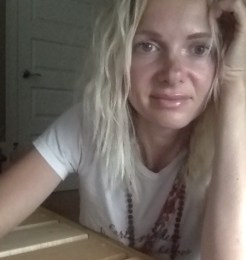 I think being a mother must be an amazing experience. I don’t really know the glimmers and shadows of any life but mine, even though I would be more than happy to listen. Recently, I’ve been reading the poems of Carol Ann Duffy, Scottish poet, U.K. Laureate, and once partner to poet Jackie Kay, and she writes something in one of her poems (“A Clear Note”) that I resonate with: “Never have kids. Give birth to yourself.” It is not Duffy, the narrator, who says this, but a character named Moll.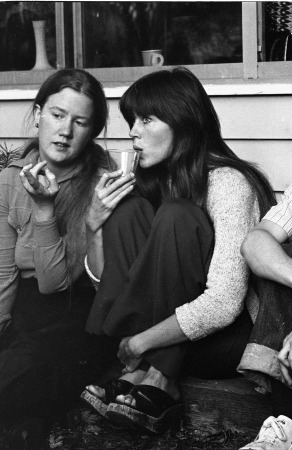
 I have something hard to say. It is about some of ourselves, some of the time.
 to help. If the people involved are mindful and truly grateful for community and shared work and resources, it can be a sacred return to a way of life where people can practice sharing, non-greed, and carrying each other’s burdens. We practice living with strangers, with all the challenges that presents, instead of isolating ourselves in presumed comfort.
