Winter Lessons, by Molly M. Remer

Yes, it is December
already and again.
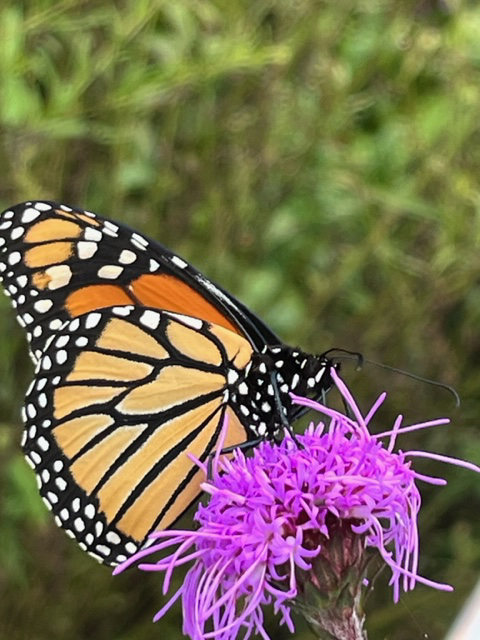
Let yourself notice the milkweed pods,
how they have split their sides
and are sending silky white seed fluffs
into the waiting air.
Witness the trees,
bare and gray and patient.

Yes, it is December
already and again.
Let yourself notice the milkweed pods,
how they have split their sides
and are sending silky white seed fluffs
into the waiting air.
Witness the trees,
bare and gray and patient.
Watch the squirrels,
tails puffed against the chill,
stored nuts in their cheeks.
Listen to the wind
how it whispers and rattles
through the empty branches.
Watch the clouds,
slow-moving white billows
in a pale blue sky.
Be patient with yourself.
Grant yourself grace.
Remember the three invitations
of the solstice season:
to listen,
to wonder,
to be content.
Remember your promise
to keep company with joy.
Remember your vow
to be in devotion
to your own life.
Think about everything
there is to do.
Open your hands.
Feel that thin, whispering
winter wind
skim over your palms.
Take a deep breath.
Allow yourself to marvel
at all this year
has held.
Bless it.
Thank it.
Cup your hands
around your own face.
Say: thank you.
Here you are in the center
of your own life’s unfolding.
There is nowhere else to be.
Be gentle with yourself.
Invite the winter crone to tea.
Look into her eyes.
See yourself reflected there,
your own winter eyes open
to the possibility
of both clarity and delight.

I have been writing for Feminism and Religion for 13 years. In the summer, I compiled a post with 13 summer lessons from 13 years of posts here at FAR. I decided to bookend that post with a Winter Lessons post as well. Here are thirteen lessons to share from past winter posts:

Continue reading “Winter Lessons, by Molly M. Remer”

Summer Lessons, by Molly M. Remer

Let us be gentle with ourselves 
as we cross the threshold 
into summer, 
as we both open our hearts to change 
and open our hands to choice. 
It is now that we both let things go 
and celebrate what is flourishing, 
what is thriving and growing 
and calling us onward. 
Let us be soft and supple, 
luminous and languorous. 
Let us practice the discipline of pleasure 
and the liturgy of delight. 
Let us protect wide margins for magic,
commit to our own life’s unfolding 
and swim freely 
in the current of the sacred 
that is always available 
to receive us 
and welcome us home.

Today, I sit missing the orioles and thinking about cycles of change, how things grow and decline, and how we can choose to be present or not with what we see and feel. I tip my head back in the green filtered light of morning and discover berries beginning on the mulberry trees. The wild raspberries and blackberries too are tipped with small, firm caps of green. I am feeling the sort of overdue clarity that descends when I finally realize I can let something go, that not everything is mine to carry or mine to fix. I know that this clarity too will come and go, but for now, I welcome it, feeling the cool wind stirring my hair and brushing my shoulders as I enjoy the sunshine and the sound of hawks on the wing. There is a powerful hope in these blue sky days and for now, I bask in the sensation of both remembering and reclamation.

This year, as we tip into summer in the Northern hemisphere, the temperatures in my own Midwestern biome have been surprisingly cool, peaceful and rainy. In an era of climate change, this slow entry into the heat of the year has felt welcome and encouraging. Something that continues to inspire and teach me this year has been to start where my feet are, to return again and again to where I am on this earth and in my body. In a culture that encourages fragmentation and distraction, distance, discord, and dis-embodiment, this practice of return is an act of both rebellion and reclamation.

I have been writing for Feminism and Religion for 13 years. This year, sitting down to write and reflecting on the life lesson of starting where my feet are, I decided to go back through my past summer posts here to discover the other lessons I have learned from summers gone by. I chose thirteen lessons to share from past summer posts:

Continue reading “Summer Lessons, by Molly M. Remer”

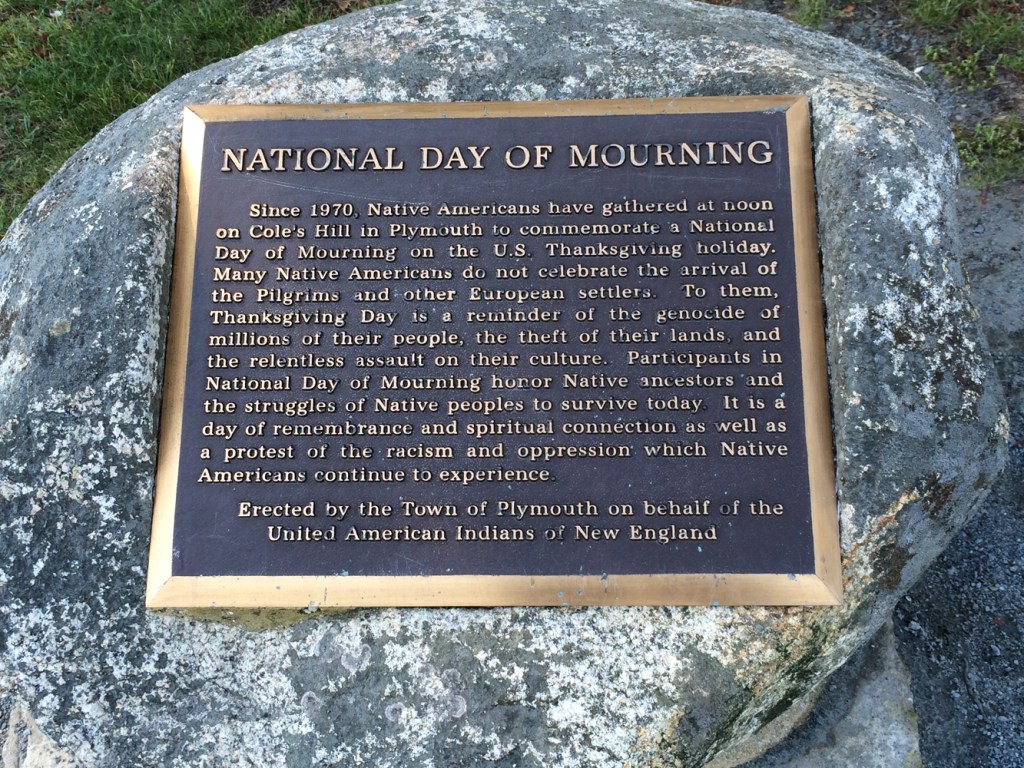
Miigwech – Thank You by Beth Bartlett

Thanksgiving is a complicated holiday. As a child, it was simple – a happy day of family and feasting.  I would awake at dawn to help my mother stuff the turkey that would roast all day in the oven, and while she prepared all the rest of the meal, the younger of my brothers and I would head downtown with my nextdoor neighbor to delight in the Christmas displays in the department store windows. Our home would be filled – my older siblings returned from college and their adult lives, with a roommate, or girlfriend, and in later years, spouses and children.  We would stuff ourselves with turkey, stuffing, and cranberry jelly, mashed potatoes and gravy, black cherry Jello, squash with mini marshmallows, and as my mother would always say, “corn for the Indians.”  That would be the only mention of Native Americans on this day celebrating what has become a romanticized version of a harvest feast, shared by a few of the Waumpanoag people and the English settlers who owed their survival to their generosity.

Continue reading “Miigwech – Thank You by Beth Bartlett”

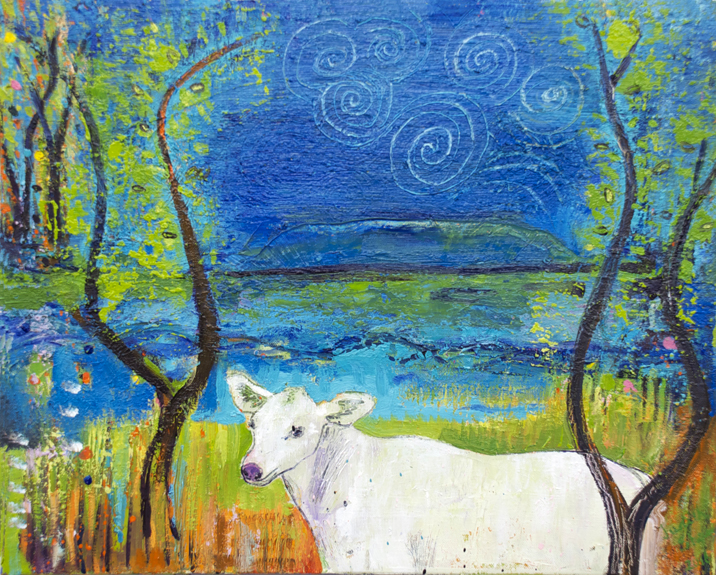
Embracing Gratitude: the Wisdom of Cow and Turkey by Judith Shaw

Even though the world is full of injustices, system breakdowns, and wars, I am thankful to be alive.

Even though the current trajectory of climate change, together with inaction to change the way society is organized, promises the collapse of modern industrial civilization, I am thankful to be alive.

Even though my own life has had many set backs and personal disappointments, I am thankful to be alive. 

Practicing gratitude helps me deal with these adversities. But practicing gratitude goes beyond its ability to deal with adversity. It helps me to feel more positive, to appreciate small everyday occurrences like sunsets and running water, to treasure good experiences, and to build strong relationships. 

Continue reading “Embracing Gratitude: the Wisdom of Cow and Turkey by Judith Shaw”

The Old Woman and the Wave: Sage-ing, Age-ing, Wage-ing Wander & Wonder by Margot Van Sluytman

“Set out, pilgrim. Set out into the freedom and the wandering. Find your people. Godde is much bigger, wilder, more generous, and more wonderful than you imagined.”
― Sarah Bessey

Joy and justice reside in grace. Thrive in gratitude.  Find fulminating llanos of miracle, might, and magic contoured in story. Etched in song. Sculpted in the untempered and unmanacled invitation of HER resplendent and resounding voice and vision willing us to be the very creative fires we wish to live. To come to recognize, at the time of age-ing and sage-ing, the call to freedom.

The call to be wage-ing pilgrimage and poetry with and because of being Grandparents, is a gift SHE bestows upon us, often when we are not even aware of the liminal’s need of our life’s learnings.

Continue reading “The Old Woman and the Wave: Sage-ing, Age-ing, Wage-ing Wander & Wonder by Margot Van Sluytman”

The Computer Man by Sara Wright

When he left, I couldn’t believe it was over. All my anxiety and fear, all my apologies for being so ‘stupid’ about computers, all the negative experiences with tech people had been turned upside down.

Thirty years of internalized shame sloughed off skin after skin. I was finally free of patronizing tech abuse for the first time in my life. And Stan had just picked up a new client! If I had any problem in the future all I had to do was to contact him. Oh, such relief! That his prices were so reasonable was another welcome aspect of this first exchange.

Continue reading “The Computer Man by Sara Wright”

Celebrating Lammas in Troubled Times by Nan Lundeen

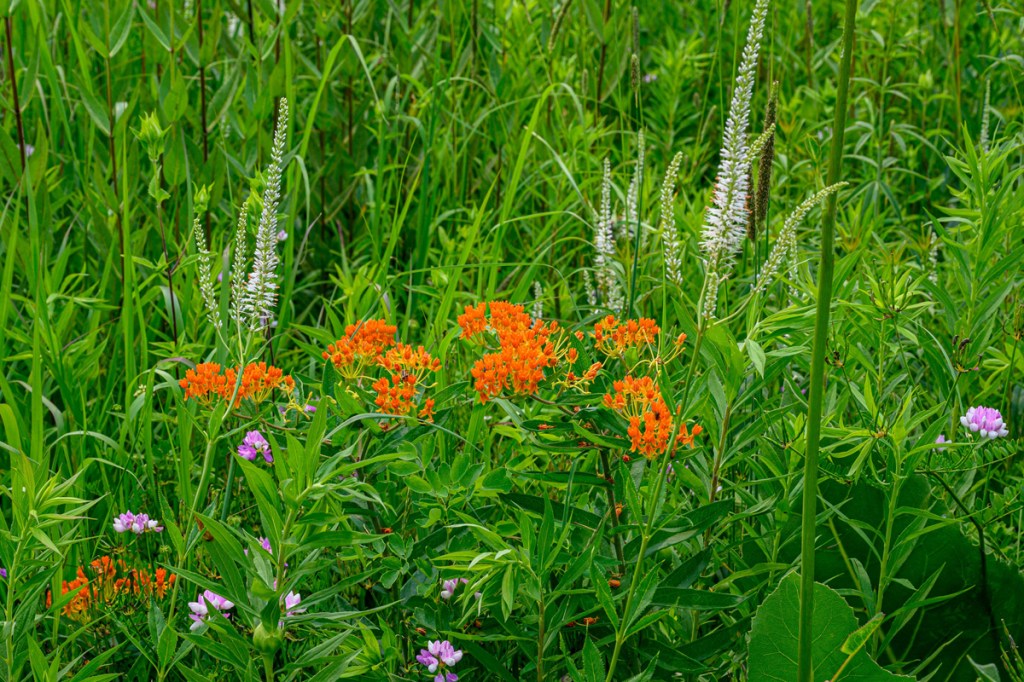
Tallgrass Prairie at Fernwood Botanical Garden, Niles, MI
credit: Ron DeKett

Lammas, that Celtic Earth-based spiritual tradition, has long been dear to me. Having grown up on an Iowa farm in the 1950s, I am accustomed to living close to the rhythms of the land. Gratitude for Earth’s first fruits comes naturally. The tradition calls for ritually baking a loaf from the first-harvested grain of the season, usually corn, and blessing it. It is a harvest festival and a time of gratitude and joy.

Continue reading “Celebrating Lammas in Troubled Times by Nan Lundeen”

Gratitude

This is a privilege of being a teacher: to walk along the side, to journey with another while he (she/they) navigates his (her/their) own road, to see how far he (she/they) has come.
And I am so grateful for it.

I hooded my first graduate advisee this week; and I am so happy for him. My student worked hard for over a year; and as the date for his final draft submission approached, I was privileged to witness his growing excitement and pride. I felt my own growing pride. Over that year, I had talked about my advisee many times with my family, “going to a meeting with so and so again,” “so and so sent me an updated draft that I need to get to” etc., so much so that on the day of his defense my older sister said she was crossing her fingers for him and my brother asked me if I’d told him that they were rooting for him. I hadn’t; though clearly working with this man had touched me in a way that also touched them.

This is a privilege of being a teacher: to walk along the side, to journey with another while he (she/they) navigates his (her/their) own road, to see how far he (she/they) has come.
And I am so grateful for it.

Continue reading “Gratitude”

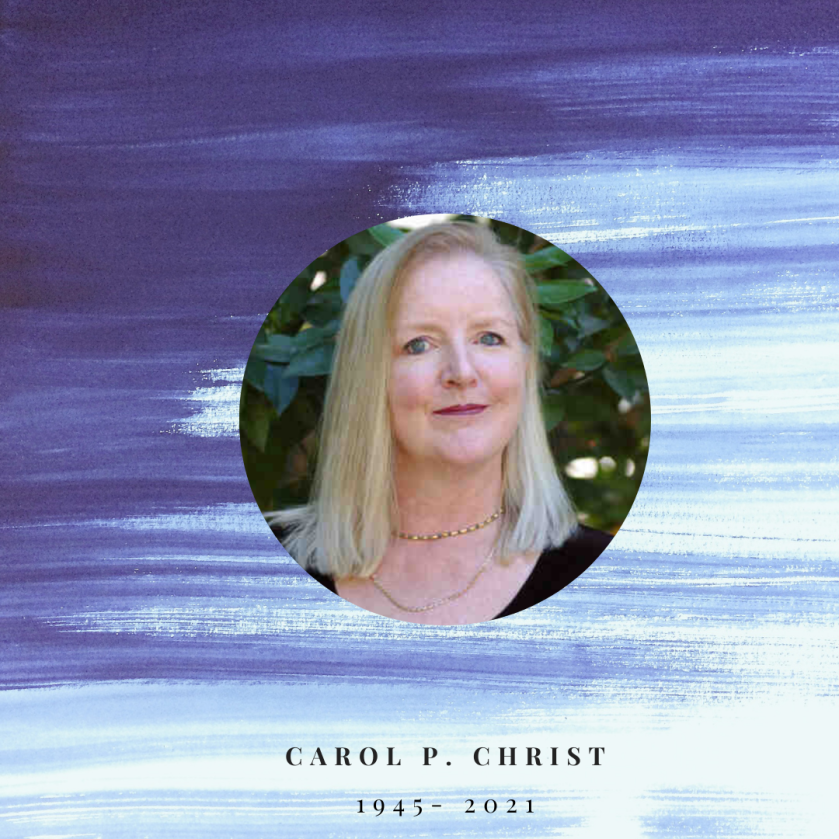
Legacy of Carol P. Christ: Maternal Gift Economy: Webinar Gifts

This was originally posted December 7, 2020

In the 1960s and 1970s, American-born Genevieve Vaughan was living in Rome with her husband, philosopher Ferruccio Rossi-Landi, and their three daughters. When Rossi-Landi, using Marxist models, began to write about language as a form of “exchange,” Vaughan was inspired to articulate her alternative theory based on the idea that language was developed and is learned through the gifts of the mother to the child. From that beginning, Vaughn developed an alternative theory of culture based on what she calls the “gift economy.”

Continue reading “Legacy of Carol P. Christ: Maternal Gift Economy: Webinar Gifts”

“A new heart I will give you . . . “: Part Two by Beth Bartlett

You can read part 1 here.

Hope: What is a heart transplant if not hope? In granting the possibility of new life out of death, it is the essence of hope. Yet, hopefulness is also knowing death is imminent and finding a way to live well into that knowledge. The impulse of hope encourages us to go on despite the odds. Hope indeed seems to spring eternal. In my darkest days, something would come along and lift me up. Hope is a testimony of the human spirit, lifting us up, refusing to refuse us. This new heart brought hope to me, and I believe that in our going on together, we carry the hopes of my donor’s loved ones as well. 

Continue reading ““A new heart I will give you . . . “: Part Two by Beth Bartlett”