

 I wanted to stay in bed yesterday morning. I wanted to stay in bed for the whole day. When I heard that Trump won the US Presidential election, I didn’t know how to deal with it. How can I accept this reality? I still don’t have an adequate answer.
Turn to prayer? Yes. Do some writing? Ok. I’ll also take every hug and kind word that’s offered to me. And still, my emotions will be raw for a long time. I cry at random moments. My voice catches unexpectedly. I feel that so many Americans embraced a vision of the country that is intensely hostile to people like me (women, African-Americans, Black Lives Matter sympathizers, liberals, intellectuals). How can I not take that personally? Dismissing the harm of Trump’s open hostility or accepting it in deference to some supposedly higher goal feels like rejection too. It justifies and legitimizes his contempt and denies the seriousness of it. Do we really accept a man who speaks so openly of sexual assault because he promises to bring jobs back? That denigrates women and all assault victims. The hatred directed at immigrants, Muslims, and LGBTQA persons is even more unrestrained and horrifying!
Continue reading “My Reaction to the Election Results by Elise M. Edwards”
 John Henrik Clarke
  Warning friends, the first four paragraphs of this post includes quotes/references of some of Donald Trump’s misogynist rhetoric.
 I wasn’t sure I wanted to watch the debate between presidential candidates last Tuesday. As
  When the Spirit of the Cap upon which were embroidered the words
  When I was a little boy I was terrified that I would live to experience the end of the world. Whether it was by an asteroid, Y2K, or a zombie plague, I would make myself sick by picturing these horrible things that could befall me and my family. Although I was a precocious child, the crippling fear that would lurch its way up my stomach and into my head would sometimes make it impossible to sleep at night. While I like to think I grew out of that phase, I now sit here feeling that way again. I’m crippled with fear that the end of the world is at hand and there may be nothing we can do to stop it. How will the world end? No, it isn’t Lucifer himself coming from hell to bring in the end times, it is someone far worse, and his name is Donald Trump.
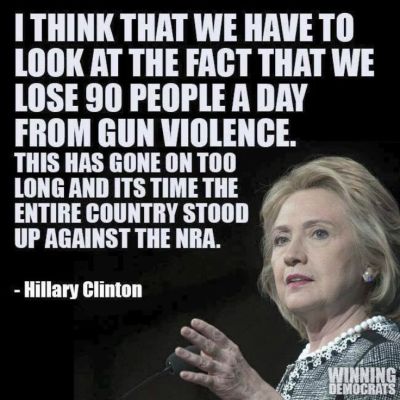 I recently got a request for support from Gabby Giffords, who was shot on January 8, 2011. This
  This semester I am teaching Myth, Religion and Culture, which is by far one of my favorite courses to teach. On the first day of class, I usually ask my students what they think is the purpose and importance of myth. I receive a wide variety of answers ranging from myth being rather unimportant or only important historically, to myth being necessary for teaching lessons (particularly to children) or even critical as a foundation for society and communication. I then, over the next several weeks, introduce students to many theories of mythology and its significance:
  Feminism and Religion