

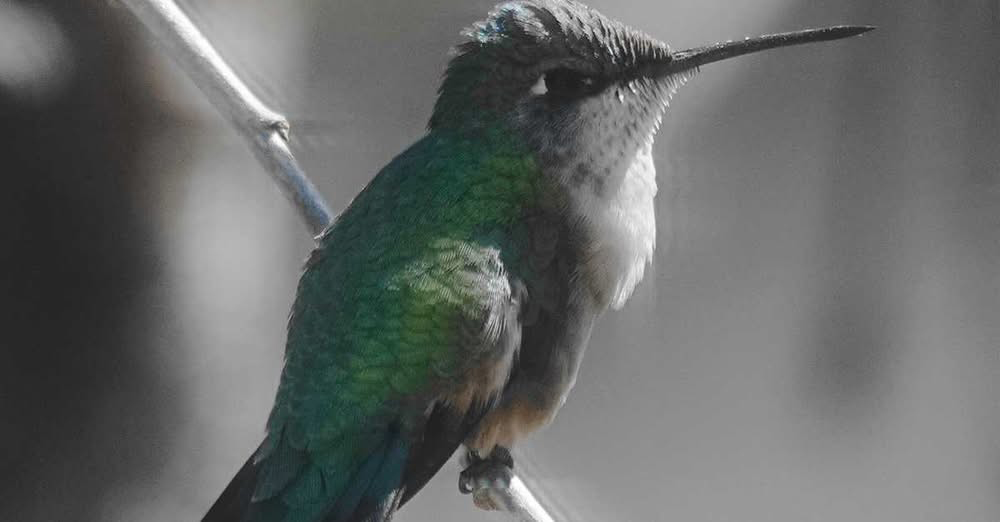
Initially I wrote this article for publication at a plant site but was forcibly struck by the reality that what we are doing to plants is exactly the same thing we are doing to humans, women in particular. Separating, Othering, Judging, Dismissing, Eradicating. I could go on here. When you read this article about invasives think about how we are being treated as women. It alarms me that no matter I turn I see the same story played out with humans (women and children suffer most overall), trees, plants, and the animals we are so busy annihilating if not physically then in some other monstrous way. Fill in the blank with your own story. Then imagine yourself as a bird with wings who carries the seeds of new life into unexpected places.
When I first moved to this area many years ago, I used to spend most of the time in the forests that surrounded my house except in the spring. Then I walked along what used to be a country road to see the wild trilliums, arbutus, lady slippers, bunch berry, violets and columbine that peppered the road edges.
All the trees and flowers were so plentiful and so beautiful that it took me a few years to pay closer attention to the bushes like the various pussy willows and wild cherries, beaked hazelnut, witch hazel and hobblebush that I also came to love.
When I discovered the most fragrant honeysuckle bush that was covered with bees and butterflies early one June I was thrilled. Later bright red berries covered the shrub only to disappear almost as fast they ripened. There was just that one bush, so one year I tried to dig up a portion of the multi – stemmed base to transplant. Hard packed road sand defeated me.
Today, of all the wildflowers and bushes on the main side road only the honeysuckle remains. With climate change upon us we can be grateful that this one is a survivor. Just the other morning I picked a few fragrant sprigs marveling at the golden swallowtails that literally collided with each other to reach newly opened flowers. I counted at least thirty butterflies along with a bevy of bumblebees in between. The honeysuckle was humming. This jewel was quite a pollinator! Today while walking by the bush after a light rain, hummingbirds were sucking down sweet nectar.
I finally decided to look up the exact species after years of appreciating the bush for the simple pleasure of being with ki. Lonicera morrowii.
You can imagine my dismay when I learned that this shrub was considered yet another ‘invasive’. Not here it isn’t I retaliated silently. In all these years I have found only two more bushes, and one small one grows next to the original and the other appeared nearby on my dirt road just this spring. ‘Welcome’, I quipped to this latest discovery. ‘May you thrive here tucked into the green’.
Then to my utter amazement I noticed another young shrub bursting with similar florets growing next to the first. Startled, I queried ‘Where did you come from… It’s not as if I haven’t been paying attention…’ These flowers had a delicate pale rose tint. Ah, Nature has been busy transporting new survivors on the wings of disappearing birds.
Lonicera Tatarica. Wow, another invasive, this relative was also making a cameo appearance. Ki was buzzing with bees.
Checking on this second species I learned that hummingbirds, hummingbird moths, bumblebees, large carpenter bees, mason bees, leaf cutting bees, and those gorgeous green metallic bees were pollinators. I also discovered that their burgundy berries feed robins, waxwings, and many other birds who help disperse the seeds.
I am so used to cataloguing plant losses that I was more than delighted to have two more invasives move in bringing with them so much food for hungry birds, bees, and other animals. I am so easily distracted by plant abundance in the spring that I am now wondering what else I have missed walking along my own road.
Invasives offer us hope for the future of plant life.
As the planet warms invasives are Nature’s way of preparing us for an unknown future, but one replete with plant survivors, most of which are moving north.
I think our war on invasives is not only futile but denies the reality of a warming climate that is working hard to adapt to change by offering us plants that will survive when so many will not.
Shouldn’t we be celebrating these changes by embracing the appearance of plants from ‘away’?
Plants that will secure a future of life on this planet?
Recall that plants were the first beings to inhabit dry land and have survived five extinctions, although individual species come and go. With human induced climate warming, Nature is adapting by moving more species around. Offering us survivors.
Women with Wings?
Scientist/Botanist Robin Wall Kimmerer reminds us:
I have faith in photosynthesis. The plants know what to do. They know how to sequester carbon. They know how to cool the air. They know how to build capacity for ecosystem services and biodiversity. Will the world be different? It will. Will there be tremendous losses? There will. Heartbreaking losses. But the evolutionary creativity of the plant world will renew itself. Plants will figure out how to come back to a homeostatic relationship with the planet.”
I think the most obvious way plants are doing this is to pepper us with more plants from across the globe. The very plants that we in our terrible arrogance call invasives offset the frightening loss of biodiversity. Couldn’t the birds also be the women with wings?
What I also notice is that our need to wall ourselves off from change by viciously attacking all invasives (plants, animals, peoples) is more about humans who cannot deal with change at all. If the reader is in doubt, why not examine the current socio/political situation where we belligerently stay stuck in the past even though it is killing us.
Nature is ancient and wise and reminds us daily that change is the norm.
I’d like to think that we, the Women with Wings may also hold the seeds of future life in our beaks. Perhaps we can swallow and deposit them just when and where they are most needed. Just like our beloved relatives, birds.
Discover more from Feminism and Religion
Subscribe to get the latest posts sent to your email.

 Feminism and Religion
Sara… another wonderful article with such evocative imagery – I agree with you and think that learning to deal deal with change is one of the most urgent skills in the educational agenda – for young and old alike!!! Love the Women with Wings and carrying the seeds… Thank you!
LikeLike
Thanks Eline….! Every time i find a new ‘invasive’ I think of birds and how does one separate women from birds? We are dropping seeds everywhere – tirelessly – we are the women with wings!
LikeLiked by 2 people
We are indeed – and it reminds me of the early Bird Goddess images too!
LikeLike
My computer is acting up, maybe because of the heatwave. I couldn’t get to the comment session. I read your post this morning. You speak my heart, Sara. It always troubles me when people say “that’s invasive.” One response might be, if you want to see an invasive species look in the mirror. Two of my great loves are autumn olive and rosa rugosa. I also respect mugwort. I have also found that if you ask it to make room for another plant, it will. No need to “get rid of it.” It clearly wants to be here. Thank you for giving voice to the wisdom of plants.
Elizabeth http://elizabethcunninghamwrites.com
Over the Edge of the World https://elizabethcunninghamwrites.com/booik/over-the-edge-of-the-world/ publication date July 22, 2025! Murder at the Rummage Sale https://elizabethcunninghamwrites.com/booik/murder-at-the-rummage-sale/ *and *All the Perils of This Night https://elizabethcunninghamwrites.com/booik/all-the-perils-of-this-night/ are back in print with all my other books https://elizabethcunninghamwrites.com/books/ The Maeve Chronicles are available in all formats
Come the darkness, come the dawn
beauty will go on, go on, beauty will go on…
-song of the beauty singers from Over the Edge of the World
LikeLike