

The Ganga, Yamuna, Saraswati, Kaveri, and Godavari are all goddesses. In contrast, the mountains- Meru, Kailasa, Himalaya are male gods or their celestial abodes. Perhaps this is not just a coincidence but a deliberate gendered imagination that reveals how patriarchal structures flow through the very geography of the sacred.
Indian rivers are predominantly personified as women, with the lone masculine river, Brahmaputra serving as a subversive exception that divulges the somewhat gendered logic of sacred geography.
The Containment of Divine Power
Ganga, the most revered river goddess in India, is born in the heavens, but her descent to earth is mediated by Shiva. His matted locks absorb her torrent, lest her power shatter the earth. Ganga’s sacredness is based on her containment. Feminine energy is revered, but only if domesticated by a male god.
In the Mahabharata, Ganga drowns seven of her eight sons, fulfilling a celestial curse. Her maternal love is sacrificial, echoing the portrayal of women who must surrender for cosmic and social harmony. Yamuna embodies viraha (separation), her identity revolving around bearing Radha’s pain and witnessing Krishna’s divine play.
Saraswati’s story is most telling: her disappearance from geography and reappearance as abstraction mirrors the symbolic displacement of female agency in knowledge systems. The physical river vanishes while the goddess of learning remains. Knowledge flows, but the feminine source becomes invisible, eventually dispensable.
Even Kaveri’s resistance gets twisted. Married against her will to sage Agastya, she transforms into a river to escape subjugation. Yet her rebellion becomes another origin myth for domesticated flow, ritualized and stripped of its rebellious core.
Mountains vs. Rivers: Gendered Transcendence
Mountains embody so-called masculine ideals. Himalaya is Parvati’s father; Meru is Vishnu’s seat; Kailasa is Shiva’s abode. They symbolize stillness, asceticism, permanence, and divine vision in mythology.
Rivers symbolize movement, nourishment, fertility, and emotionality- all culturally coded feminine attributes. This supports a fundamental patriarchal binary: masculine equals transcendence; feminine equals service. Mountains must be climbed to reach godhood; rivers must be bathed in to cleanse sin.
Even iconographically, rivers are bent and curved, eroticized and maternal. Mountains are upright, monumental, phallic. The visual language reinforces what stories potentially establish: feminine divinity serves; masculine divinity commands.
The Brahmaputra (literally “Son of Brahma”) further establishes the gendered rule. Unlike Ganga, whose floods are interpreted as karmic retribution requiring explanation, Brahmaputra’s destruction is simply seen as strength. This masculine river is depicted as powerful, sometimes destructive, and less approachable for intimate devotional practices.
The exception illuminates gender coding of natural violence: a male river’s aggression is natural while a female river’s overflow becomes illicit, requiring cosmic justification.
The Service Economy of Femininity
River goddesses are celebrated primarily for what they give: water, fertility, purification, salvation. They’re rarely depicted as having needs, desires, or agency independent of their service function. This mirrors societal expectations of mothers as endlessly giving, self-sacrificing beings whose worth is measured by their utility to others.
The story of Ganga’s descent is telling. She comes not of her own volition but because she is needed. River goddesses are praised for their accessibility. Anyone can approach them, bathe in them, and take their waters. This accessibility is framed as divine compassion, but reflects the expectation that feminine nurturing should be available to all without boundaries or reciprocity.
Mountains, by contrast, require pilgrimage, preparation, and often male gurus to access their spiritual power. They maintain boundaries while rivers remain perpetually available.
Mountains consistently perform socially-coded masculine functions. Kailash represents meditation and asceticism; Govardhan demonstrates protection through physical power. Rivers are assigned feminine functions: nurturing, purification, accessibility, and service rather than command.
When rivers display destructive power through floods, even this gets reframed within patriarchal frameworks. River fury becomes associated with Goddess Kali- fierce but still maternal, coded as protective anger rather than independent agency. Destruction is justified as cosmic necessity, not autonomous divine will.
Folk narratives sometimes allow subversions. In Tamil Nadu, Kaveri Amman receives independent temple festivals. Interestingly, the masculine Brahmaputra flows near the Kamakhya Temple in Assam, where the Ambubachi Mela celebrates the goddess’s menstruation- the masculine river existing within a landscape of explicitly feminine, cyclical power. Yet even this proximity to feminine sacredness doesn’t feminize the river itself.
The Chastity Question
Saraswati stands uniquely as the only single goddess in the Hindu trinity of Saraswati, Lakshmi, and Shakti. Though conventionally paired with Brahma for symmetry, she remains removed from matrimony and motherhood. Her worship during Vasant (spring) connects to her river status, and as a nature goddess, her iconography is the least materialistic among the trinity.
Her single status might reflect patriarchal discomfort about uncontrolled feminine knowledge- wisdom flowing freely, unmediated by masculine authority, too dangerous to be fully domesticated.
Sacred Reverence, Material Neglect
As scholars like Vandana Shiva and Kelly Alley observe, rivers and women share similar fates in Indian society: symbolically sacred, materially neglected. This metaphysical status does little to prevent damming, pollution, or ecological collapse.
Just as mothers are revered in poetry but overburdened in real life, rivers are worshipped in ritual but ignored in policy. The reverence serves as cover for extraction. The state builds dams in the name of progress, rerouting sacred rivers for profit. The metaphor of the divine mother becomes a mask for ecological violence.
The feminization of rivers reveals how patriarchal societies encode gender hierarchies into sacred landscapes. By casting rivers as goddesses while mountains stand as gods, these narratives perhaps naturalize assumptions about feminine and masculine roles, making cultural constructs appear as cosmic laws.
This gendered geography sanctifies exploitation through reverence, contains feminine power through service expectations, and reinforces social hierarchies.
In recognizing how sacred geography shapes consciousness, we might begin imagining different relationships with both nature and gender- ones that honor rivers’ flowing power without demanding endless service.
Understanding these patterns doesn’t diminish the significance of these mythological traditions. Rather, it allows us to see how stories carry complex cultural messages that continue to influence contemporary consciousness about gender, power, and the sacred itself.
Alley, Kelly D. On the Banks of the Ganga: When Wastewater Meets a Sacred River. University of Michigan Press, 2002.
Eck, Diana L. India: A Sacred Geography. Harmony Books, 2012.
Kinsley, David R. Hindu Goddesses: Visions of the Divine Feminine in the Hindu Religious Tradition. University of California Press, 1986.
Shiva, Vandana. Staying Alive: Women, Ecology and Development. Zed Books, 1989.
Mahābhārata. Translated by Bibek Debroy, Penguin Books, 2010–2014.
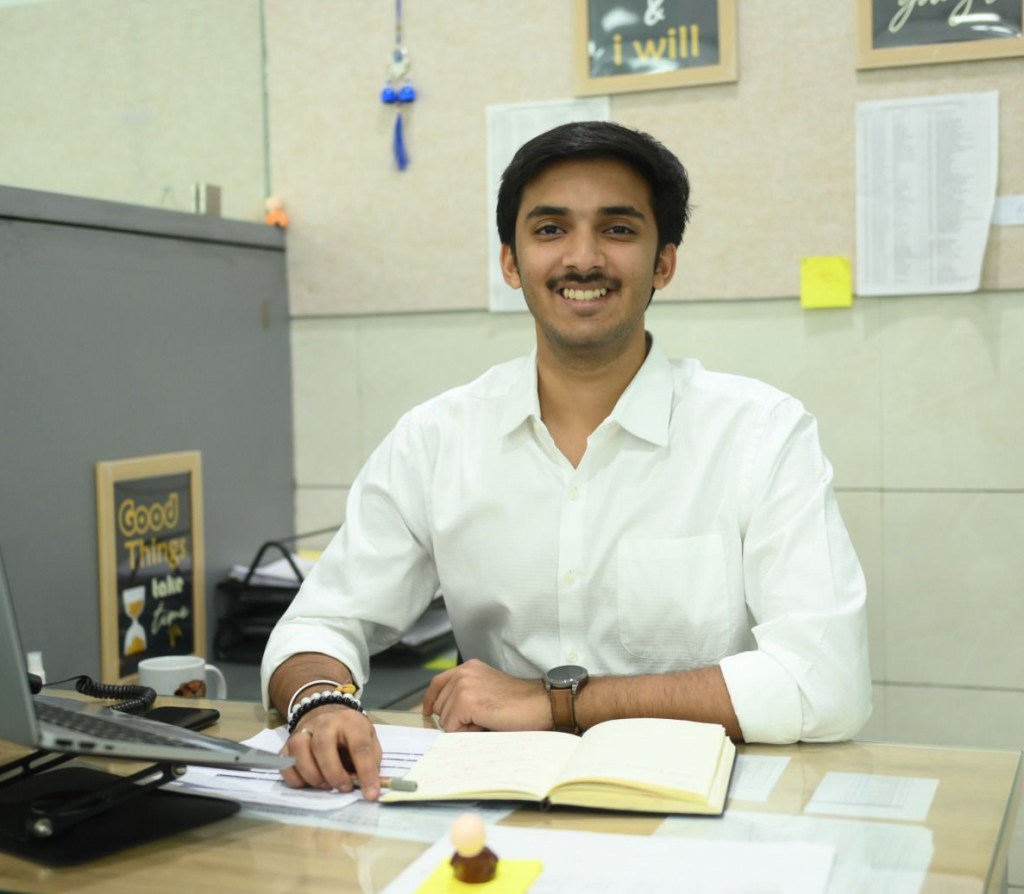
BIO: I’m Dhruv, an author and educator. My writing explores the intersection of ancient Indian mythology and contemporary perspectives. I’m deeply invested in amplifying marginalized voices within traditional narratives. I’m currently working on a book, Celebrating Radha: Poems on Love and Longing, which continues this tradition by giving voice to one of mythology’s most enigmatic and revolutionary figures.
A student of English literature from Kirori Mal College, University of Delhi, I balance my literary interests with an extensive involvement in the field of education. I am currently serving as an Associate Consultant at Unireach Consulting, and have worked at Tads Education as a Public Speaking Trainer and Tutoring Associate for CBSE English literature (Grades 9,10, and 11). I have also had the privilege to teach literacy to underprivileged students as a Teaching Fellow at Teach For India.
I regularly deliver guest lectures across schools in Jaipur on topics ranging from career options in Humanities to the magic of literature and strategies for conquering writer’s block. My experience as Editor-in-Chief and Head of Media at the youth organization International Crisis Summit honed my understanding of effective communication and content creation.
In my writing, I examine the tension between tradition and modernity, illuminating how ancient stories continue to resonate with contemporary readers. Through both my educational work and literary contributions, I strive to bridge the gap between classical knowledge and modern understanding, making timeless narratives accessible to new generations.
Discover more from Feminism and Religion
Subscribe to get the latest posts sent to your email.
 Feminism and Religion
Thank you, Dhruv, for this excellent and oh! so relevant essay. This is so important: “M]ythological traditions allow[s] us to see how stories carry complex cultural messages that continue to influence contemporary consciousness about gender, power, and the sacred itself.” Keep writing and creating meaning through your words.
LikeLike
That’s interesting. In other religions, rivers and oceans symbolize male Deities like Enki in ancient Sumer. The idea is that the water symbolizes sperm. Meanwhile in places like the UK you have several Mountain Mothers. And all are either aspects or Goddesses who follow the Great Mother Crone (blessed is our Dark Mother).
And the reason for this isn’t because of phallic symbols. It’s due to the fact that mountains age caves are doorways to the other side. And the Crone Mother appears as a wise old hermit. With a cauldron and magic laboratory in a cave somewhere. Waiting to dispense her knowledge to the worthy.
And smite the unworthy. She is a holy and blessed mother. 🙏 ⛰️🪨
LikeLike
“As scholars like Vandana Shiva and Kelly Alley observe, rivers and women share similar fates in Indian society: symbolically sacred, materially neglected.” Thank you for this subtle clarification on India’s gendered geography. Fascinating.
LikeLike