Feminist Professors Are Not Secluded Monks by Kwok Pui-lan

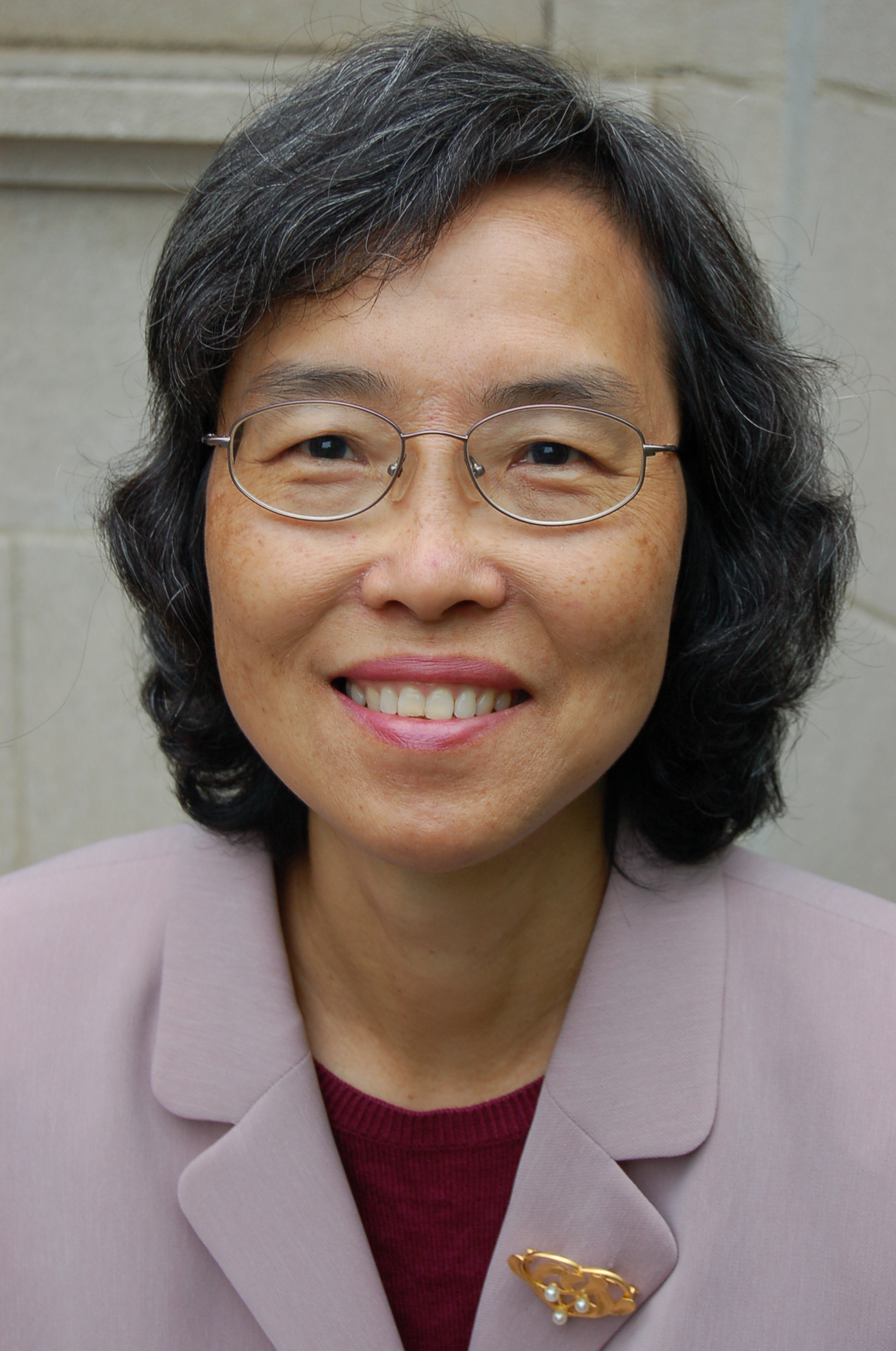
Pui Lan.high resolutionIn his column “Professors, We Need You!” New York Times columnist Nicholas Kristof charges that most university professors “just don’t matter in today’s great debates” and admonishes them not to cloister themselves “like medieval monks.”

Many academics and others took offense at what he has written. A Twitter hashtag #engagedacademics sprung up and many have posted opposing views.

That Kristof imagines the professors who isolate themselves from the real world as “medieval monks” betrays his bias that the professors to whom he is addressing and the public intellectuals he longs to see are male (and possibly white)! Continue reading “Feminist Professors Are Not Secluded Monks by Kwok Pui-lan”

The Real Reasons America Hates “Octomom” by Tricia Pethic

Tricia PethicMany of us participate in dehumanizing Nadya Suleman, depriving her even of her own name by virtue of using the term ‘Octomom.’ Suleman has few people on her side of the ring, partly because she embodies what both conservatives and liberals hate most. Suleman recently made news again on charges of welfare fraud; she may spend up to eight years in prison. If Suleman does go to prison, I hope she ends up where I work so I could tell her what I really think: that America’s hatred of her has more to do with them than it does with her. And I’d remind her of God’s mercy and compassion: something I think has been absent from this discussion.

We recognize the name Nadya Suleman, yet how many people recognize the name Michael Kamrava? Kamrava was the doctor who injected Ms. Suleman with twelve embryos which earned him a suspension of his medical practice. Why is Ms. Suleman not known primarily as a victim of medical malpractice? Continue reading “The Real Reasons America Hates “Octomom” by Tricia Pethic”

The Day I Re-Learned How to Love My Femininity: This Butch’s Experiment in Healing by _Melody F.

I feel like I am a bit of a typical white, middle class, butch. Maybe not, but I feel like I’ve met me: I dress like a dude, take on what I consider masculine roles in relationships, and do ‘guy things’ like play video games or carry heavy objects. And then there’s that really feminine part of me, the soft-butch side that comes out when I can’t take something macho I’m trying to do seriously, or when my voice (already high) hits that pitch that (not ‘screams,’ but) sort of sweetly says ‘hello, I’m girly.’ When my soft butch side comes out, my students coo at me. It’s all very embarrassing.

But under a face which turns blotchy red in such moments, something my ex used to think was cute, I have been privately wishing that feminine part of me would die away. For the last year, I’ve silently hated her. This post is about when I decided to stop.

I’ve been having an ongoing conversation with a fiercely femme friend of mine about misogyny and masculine privilege in LGBTQ communities. About a month ago she sent me an article by Gabrielle Rivera titled Fat-Booty Butch Wears Leggings — Confuses World, Confronts Self. In it, Rivera dons a pair of leggings for the day and writes a post about her experience that addresses invisibility of femmes, butch privilege, and other well-thought-out and honest observations about queer folks and communities from the perspective of a butch/Queer Person of Color. Rivera rocked both the leggings and the post. (I highly recommend giving it a read.) What struck me most was how very much herself Rivera seemed to stay. Even as she engages a complex shift in the way in which her communities received and read her, she protests her invisibility – nothing about switching codes had erased her or her queerness. I wasn’t sure I would feel the same. I was so alienated from my feminine side that the idea of looking even a little bit feminine, just to touch her, seemed as though it might blank out my identity. Continue reading “The Day I Re-Learned How to Love My Femininity: This Butch’s Experiment in Healing by _Melody F.”

Brigid, Archetype of Inspiration and Activation by Stephanie Anderson Ladd

Stephanie AL_London_photoBrigid, Goddess of the Fire, greets us on Brigid’s Day, February 1. She is a Celtic sun goddess whose light burns brightly, illuminating the darkness of the land, of a heavy heart, and the dark night of our soul. With her shining light to guide us, we are lifted out of the Underworld darkness where we tend to descend in Winter, to the light of the World above, teeming with life as Spring begins to unfold her wet wings.

Brigid is a beloved goddess throughout the British Isles, particularly Ireland, where she is seen as the Mother of the Land and Her people. As a feminine archetype, she activates our solar, active nature. Much like the sun rising from below the Earth’s horizon, she urges us to come out of hiding and shine our light on the world. This may be done in a quiet manner, such as sitting by the hearthfire and doing needlework, finding inspiration by a walk in nature and writing a poem, moving about the kitchen making soup, getting busy with an art or craft project, or in big ways by taking on new roles as healers, artists, and leaders and calling others to join us. Continue reading “Brigid, Archetype of Inspiration and Activation by Stephanie Anderson Ladd”

Women for a Franciscan World by Dawn Morais Webster

Dawn Morais Webster, the Pope off to his summer palace, Castel Gandolfo. He tells the world he will now become just a “humble pilgrim.”Women: Architects and Engineers of a Franciscan World

This New Year’s Eve I find myself attending Mass at St. Austin’s Church in Austin, Texas. A long way from Hawaii and en route to Argentina which gave us Pope Francis. This Mass is also a celebration of the Solemnity of Mary, Mother of God.

This crossing of many currents is perhaps as eloquent a statement as any on where women have traditionally found themselves in the church—up on a pedestal or totally in service to others. Both exalted and silenced. Tradition has not served women in the church as well as women have themselves served the church and the community through many ministries. The male leaders of the church have been happy to raise their eyes heavenward and sing the praises of Mary and the many female saints while consigning the women around them to positions of pure service, if not servitude. Continue reading “Women for a Franciscan World by Dawn Morais Webster”

Is My Baha’i Faith Compatible with Feminism? by Saba Farbodkia

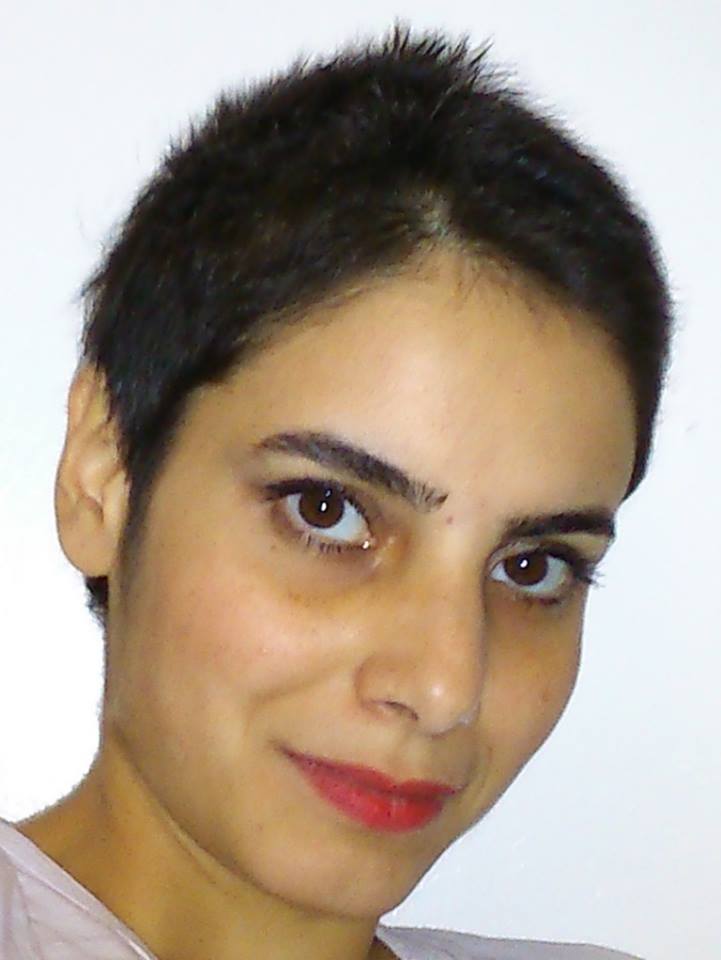
I am a Ph.D student of Neuroscience at Queen's University, Kingston, Ontario. I was born in Iran into a Baha'i family, adopted the Baha'i Faith at 15, and did my B.Sc in biology and M.Sc in Neuroscience in Iran, at the Baha'i Institute for Higher Education (BIHE), an institute founded by Baha'is after the Islamic Republic of Iran (IRI) stopped Baha'i students to higher education at the formal universities of the country.  My interest in feminism started as a response to the influence of a woman-suppressive culture that I was surrounded by, even before I knew the word existed. Before I move to Canada and get to know progressive readings of Islam that begged to differ from how IRI reads Islam, I mostly blamed Islam for the sexist environment that I suffered from, and my questions about the Baha'i Faith and feminism started to rise in response to such thoughts: I kept asking myself, if one day the Baha'i Faith finds majority, or if it gets an opportunity to influence the culture as widely as Islam has in Iran, will it become a source of sexism, as well?As a Baha’i woman, I often ask myself if feminism is compatible with religion. And most of the times, I tend to answer no. Feminism is defined as a movement to end sexism, which is further defined as prejudice, stereotyping, or discrimination, typically against women, on the basis of sex. Any such movement should attempt to eradicate the social norms and religious and cultural values that pressure people into adopting certain roles, attributes or duties, or limit their rights and responsibilities, based on their sex.  Religions, on the other hand, very often do assign roles, duties and rights to people based on their sex. A religion can be compatible with feminism only if it is silent on the subject of people’s sex, unless it asserts that sex is not a factor in determining people’s roles or lifestyles.

The Baha’i Faith is definitely not so. Born around 170 years ago in Iran, the Baha’i faith is a somewhat new religion, supposedly meant for the current time. Still, there are particular cases of assignment of different roles to women and men at the level of individual life, family, and society. Men are, for example, required to do a pilgrimage if they are financially capable of it, and women have the right to choose it, though are not required. Women can choose between fasting or not, and saying obligatory prayers or an alternative prayer, during menstruation. Women are deprived the right to be elected as members of the Universal House of Justice. Mothers have a right for financial support from their husbands, but not the opposite, while they still retain their other rights. A dowry is required to be given from man to woman for a marriage. In cases where there is no ‘last will and testament’ of a deceased person (which is not supposed to happen very often, since Baha’is are required by Bahaullah to write a will to determine how to dispose their property as they wish), some of their female relatives receive an inheritance slightly less than the male relatives. Girls get the priority in education if the opportunities for educating all children are limited. Continue reading “Is My Baha’i Faith Compatible with Feminism? by Saba Farbodkia”

Women, Religion, and Whiskey by Phil Conner

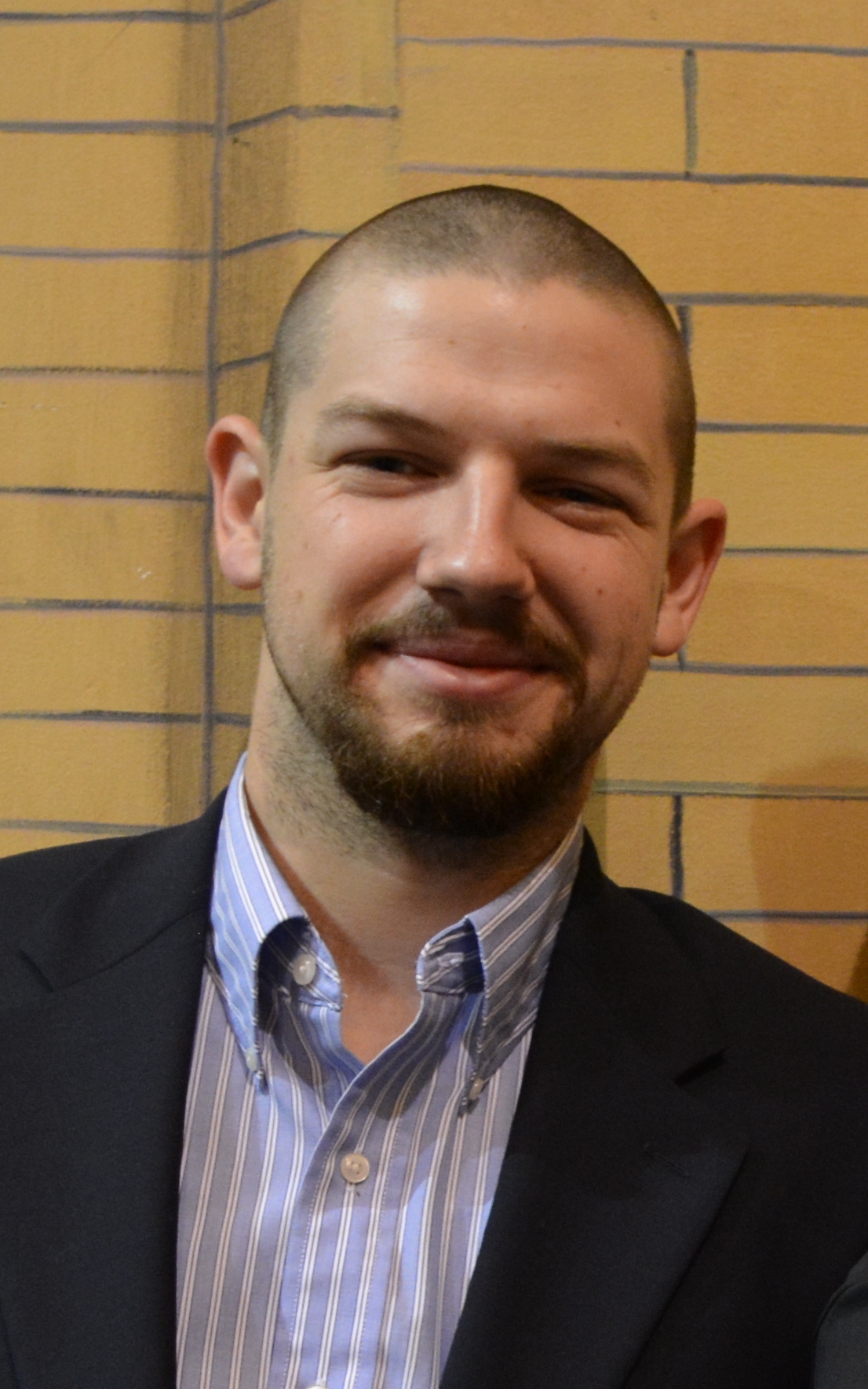
Women, Religion, and WhiskeyAt some point in most of my days, I will center myself down with a glass of whiskey.  It is not the effects of the wonderful spirit that draw me to it so much as the myriad of flavors contained therein.  A good whiskey is like a good person; it will unfold with layers over time.  A good whiskey is always the same, always reminding you of why you loved it in the first place, but always fresh, exciting, and nuanced.  The experience of whiskey is a deeply spiritual one for me, and one that helps inform the way I move in the world.  Despite the fact that many whiskey-lovers experience whiskey in similar ways, whiskey brings with it negative binaries, especially in the United States.  Chief among these binary stereotypes are the two myths I despise the most: whiskey is a man’s drink and whiskey is antithetical to religion.  As someone who tends bar for a living, I see these myths perpetuated all too often.  “I don’t want that fruity drink; do I look like a chick to you?”  “Of course I want another drink.  What am I?  A Christian?”  Statements like these motivated me to start writing about whiskey in the first place, and Fred Minnick’s recent book, Whiskey Women: The Untold Story of How Women Saved Bourbon, Scotch, and Irish Whiskey, and the increasingly progressive whiskey-blogging community have helped me gain the courage to spread the gospel of the history and meaning of whiskey especially as it relates to women and religion. Continue reading “Women, Religion, and Whiskey by Phil Conner”

An LDS Girlhood by Amy Wright Glenn

Utah native Amy Wright Glenn will talk about her book: "Birth, Breath, & Death: Meditations on Motherhood, Chaplaincy, and Life as a Doula." Courtesy Amy Wright GlennThis story is written from the point of view of my childhood self growing up in the LDS church…

This is what I said in church yesterday. I messed up and instead of saying “I’d like to bear my testimony,” I said “I’d like to bear my family.”

The reason I said this is because after you say, “I’d like to bear my testimony, I know this church is true,” you are supposed to say, “I am grateful for my family.” Well, I just stood there saying I would like to bear them. I felt so embarrassed especially when I saw my mom looking at me funny.

Mom always gets serious in church. I try to focus and be serious too. After all, I know Heavenly Father is watching me. But sometimes I giggle and daydream too much. Then I get in trouble because I’m the oldest and I should know better. Continue reading “An LDS Girlhood by Amy Wright Glenn”

Blessed is the Womb By Dawn DiPrince

Dawn, jpgAs a Catholic, a feminist, and the grown-up version of my third grade self who dreamed of being a priest (and eventually Pope), I am simultaneously elated and deflated by the promise of Pope Francis. His bold criticisms of capitalism and inequality are breathtaking. 

Yet, much like the eager waiting that marks the season of Advent, I (naively) hold my breath awaiting the papal inclusion of women on the altar — not merely as servants — but as leaders and interpreters of scripture.

Whenever women’s ordination is raised, the Church trots out the dusty and inadequate argument that men are priests because Jesus was a man. This seemingly irrefutable based-on-biology conclusion is really a simple argument based on a difference of body parts. This ideal — something I’ve labeled the St. Peter Principle — suggests that our penislessness means that women (by natural law, of course) are to be denied priesthood. Continue reading “Blessed is the Womb By Dawn DiPrince”

Waiting for Jesus… I mean, Superman by Melinda Bielas

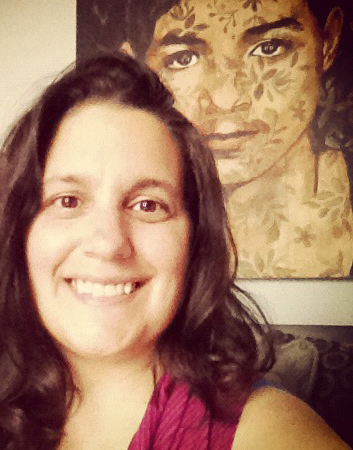
mindy BielasI grew up in a white-middleclass-fundamentalist-Protestant community. As a result I learned to think of God as my Father, and Jesus as my savior, similar to the fairytale prince in shinning armor or the ultimate boyfriend. As an undergraduate studying Religious Studies, I learned of other ways to relate to the Divine and discovered how to be a Feminist Christian. However, many women with backgrounds like mine do not have the opportunities that I did to discover different and liberating pictures of God. As a result they must choose between a religious life that enforces patriarchal norms, or life as a “secular” feminist. A recent song by a modern rock band, Daughtry, “Waiting for Superman,” reveals how the dependence on a male savior prevents Christian women from claiming their own personhood, independent of a patriarch. Continue reading “Waiting for Jesus… I mean, Superman by Melinda Bielas”