

In prisons in Canada and around the world, a large percentage of criminalized people, who are more often than not, victimized people, Indigenous people make up significant percentages. In a recent *talk I gave, accompanying Indigenous Elder and Artist Philip Cote, we addressed what happens when colonial narratives and patriarchal narratives collide. The result is that our worldviews are shattered. When our worldviews, which are our foundational way of meaning-making, are dismissed, denied, and in the case of
cultural genocide: decimated, our heart health fails. Our bodies, our minds, our souls become disconnected become dissociated. Become imprisoned. Imprisoned in the figurative sense and eventually over time, in the literal sense.
Category: Activism
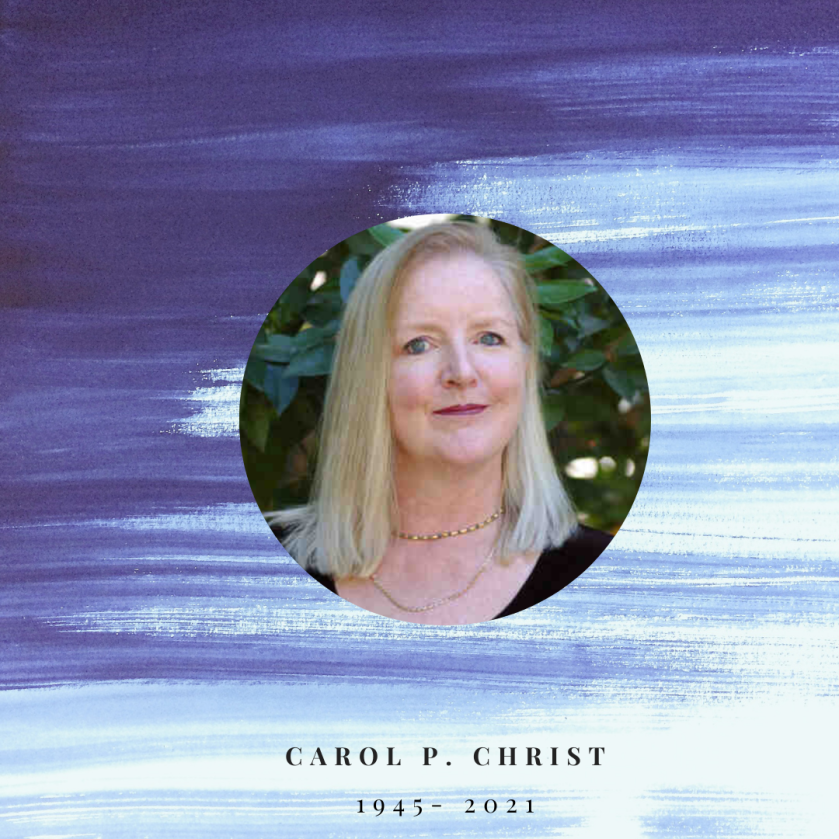
Legacy of Carol P. Christ: Speak the Truth about Conflict, Pain, and Suffering: It Is Not All Love and Light
This was originally posted on July 23, 2018
Nurture life.
Walk in love and beauty.
Trust the knowledge that comes through the body.
Speak the truth about conflict, pain, and suffering.
Take only what you need.
Think about the consequences of your actions for seven generations.
Approach the taking of life with great restraint.
Practice great generosity.
Repair the web
From the Archives: Sacred Food for Body and Soul by Carolyn Lee Boyd
This was originally posted on Jan 29, 2022.
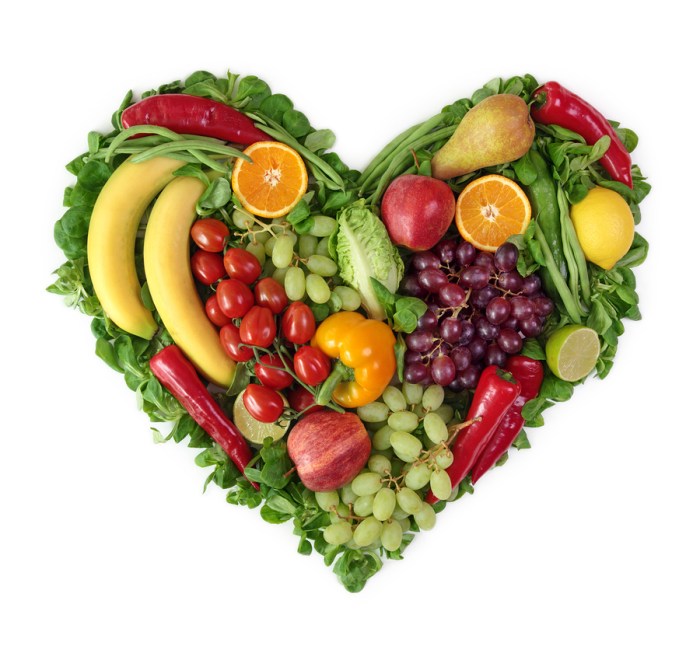
Today is Wives’ Feast Day, a holiday celebrated in Ireland and northern England on February 2, the same day as Imbolc, Candlemas, and St. Bridget’s Feast Day. On this holiday, women (in Old English, “wife” meant simply woman) would gather together and enjoy making and sharing delicious foods with each other, honoring themselves and their work providing nourishment and other aspects of making a “home.”
When you think about it, this delightful tradition is quite remarkable. Feast days are generally associated with saints, so, in a way, this feast day recognizes the sacredness of all women and also their daily labor. This echoes to me Old European cultures that connected women’s baking and weaving to divinity by placing workshops in goddess temples and associating goddesses with these tasks. Today, women work in many jobs not directly associated with food production, but still labor to make our communities and planet better “homes” in many other ways.
Continue reading “From the Archives: Sacred Food for Body and Soul by Carolyn Lee Boyd”Legacy of Carol P. Christ: Think About the Consequences of Your Actions for Seven Generation
This was originally post on Aug 6, 2018
Nurture life.
Walk in love and beauty.
Trust the knowledge that comes through the body.
Speak the truth about conflict, pain, and suffering.
Take only what you need.
Think about the consequences of your actions for seven generations.
Approach the taking of life with great restraint.
Practice great generosity.
Repair the web

In Rebirth of the Goddess, I offered Nine Touchstones of Goddess Spirituality as an alternative to the Ten Commandments. The Nine Touchstones are intended to inform all our relationships, whether personal, communal, social, or political.
Continue reading “Legacy of Carol P. Christ: Think About the Consequences of Your Actions for Seven Generation”Legacy of Carol P. Christ: ERA—Equal Rights for Women—in the US: Has Our Time Finally Come?
This was originally posted on Nov 18, 2019
On August 26, 1970, I borrowed an old VW bug from my mentor and summer employer Michael Novak to drive from Oyster Bay, Long Island to New York City to take part in the Women’s Strike for Equality march down Fifth Avenue. Some 50,000 women attended the march and another 50,000 took part in sister actions around the United States. The march celebrated the 50th anniversary of the passage of the Women’s Suffrage Amendment that gave women the right to vote. The ERA was on our minds, but it was not the only issue on the feminist agenda. We believed that all the walls created by patriarchy would come tumbling down, and soon!
Continue reading “Legacy of Carol P. Christ: ERA—Equal Rights for Women—in the US: Has Our Time Finally Come?”From the Archives: Christmastime for the Self by John Erickson
This was originally posted on December 25, 2018
We’ve all been there.
Sitting around the tree watching the kids open presents. Attempting to enjoy a holiday meal with extended and immediate family that you may or may not have traveled thousands of miles to see. Trying with every fiber of your being to not talk about the elephant, or red hat, in the room.
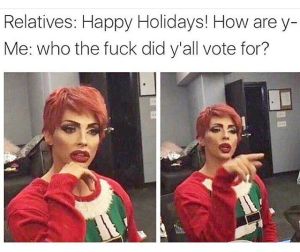
I get it. It is hard to not go home for the holidays. It’s also hard to sit at home and watch every one of your friends post online about their dinners, get-togethers, and other joyous events while you sit at home. I also understand that many of us, as a result of our sexual and/or gender identity, or maybe our political preference, don’t feel comfortable going home or, can’t go home. This is not ok and that is why it is so important that we all have our chosen families to be with during these times of communal gathering or more importantly, ways to cope while we are at home in these uncomfortable situations to make sure we take care of ourselves and make it out the other end.
Continue reading “From the Archives: Christmastime for the Self by John Erickson”Legacy of Carol P. Christ: His Terror
Moderator’s Note: This was originally posted on March 25, 2019. AND the issues are still with us and as vivid as ever.

The first two parts of Susan Griffin’s Woman and Nature, “MATTER” and “SEPARATION,” are written in the authoritative voice of western philosophy and science that declares matter to be dead and the body an impediment to thought, and proceeds to separate the mind from the body. All of this, Griffin suggests, is based in the fear of death.
As Griffin notes, in this equation woman is identified with the body and her voice is silenced. Re-reading these parts of Woman and Nature for the umpteenth time for a class I am teaching felt even more painful than it had before. I was reliving parts of my own story.
I was brought up in the tract home suburbs of post-war Los Angeles in a world of women. Both of my grandmothers played central roles in my upbringing, introducing me to nature and the spirit of life they experienced as we explored trails the Los Angeles County arboretum before it was fenced or when we frolicked in the waves and picked up sand dollars at the seashore south of San Francisco. When I was ten years old my family moved to a new neighborhood that was almost entirely made up of families like ours with small children, fathers who worked, and mothers who stayed home.
Continue reading “Legacy of Carol P. Christ: His Terror”Women, Life, Freedom زن زندگی آزادی : Let’s talk about the protests in Iran by Anjeanette LeBoeuf
Trigger Warning: This post deals with violence towards women, violence towards humans, and egregious abuses of power.
Women, Life, Freedom; Zan, Zendegī, Āzādī; زن زندگی آزادی has become one of the main slogans for an incredibly important and crucial global protest that is taking place right now. For over 2 months, life and death protests are taking place in Iran. The protests are focusing on the perpetual degradation of human rights with women bearing a large brunt. Many have declared the current state affairs as gender apartheid. We need to be talking more about what is happening with the people of Iran and how best to support them. The protests were started after the brutal murder of a woman due to a portion of her hair being visible outside of her hijab.
Continue reading “Women, Life, Freedom زن زندگی آزادی : Let’s talk about the protests in Iran by Anjeanette LeBoeuf”Revisiting Our Sisters’ Feminisms by Xochitl Alvizo
This post draws much from a previous post I wrote back in 2013, which generated great discussion in the comments. I came back to it as I was reflecting on our sisters’ revolution in Iran, Women, Life, Freedom, following the death of Mahsa “Zina” Amini while she was in the custody of the “morality police” in Iran. This woman-led movement has been nonstop for seven weeks. I’m in full support of the women and have continued to learn more about their context and history. The movement is powerful and inspiring, heavy and difficult, but its energy is alive and blazing. There is an impromptu song that has come to represent the movement; the song was created by linking real-time tweets and Instagram posts together – you can hear the song, read the lyrics, and see the screenshots in the video below:
Now the post I’m drawing back to from 2013 – a little different from the original – but one intended to invite us to reflect on our engagement with and support of one another across place and difference. And about the relationship between the local and global, and the need to hold a balance of both.
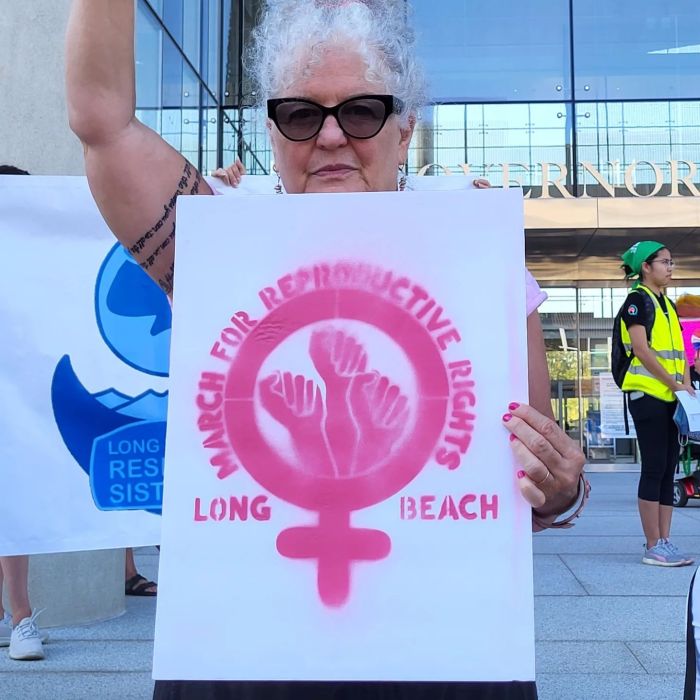
Continue reading “Revisiting Our Sisters’ Feminisms by Xochitl Alvizo”Women’s March, October 2022, Long Beach, CA by Marie Cartier
All photos by the author
Marie Cartier
Continue reading “Women’s March, October 2022, Long Beach, CA by Marie Cartier” Feminism and Religion