

Once upon a midnight dreary, while I pondered, weak and weary,
Over many a quaint and curious volume of forgotten lore—
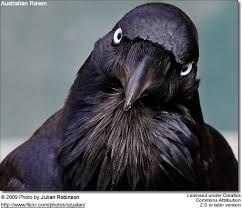 —first there was a dark eye at the window. Then a tap-tap-tapping. Then a long black beak came around the edge of the slightly open window. Then the raven hopped inside. “Oh, goody,” said a gravelly voice. “Eyeballs! I dearly love a tender, juicy eyeball.”
The wicked witch looked up from the quaint and curious volume she was perusing. “Oh, Kahlil,” she said, “those are grapes. And,” she added, “do come in.”
Already in, the raven speared a grape. “Pfui! I hate grapes! Back in the city,” he added, “there’s so many dead bodies lying in the streets all the scavengers think it’s a feast day everyday.” He paused and dropped the grape on the floor of the tiny room. “It’s awful in the city. It’s awful everywhere. No sign of yer husband, either. Witchie-pooh, how ya doin’ out here in the country?”
She sighed and pushed the book aside. “Not well. Not well at all. There’s no more room in my house for refugees, and yet they keep coming. The storehouse is nearly empty, and we need to find new seed to plant. I’ve put some of the men in charge of the farming. They’re waiting for the season to change.” She waved one hand over the table. “And I’ve still trying to learn how to be properly wicked. I’ve got all the books I can find. I’m looking for a spell that works. One that will bind el presidente. And his army. Kahlil, has it ever been this dark?”
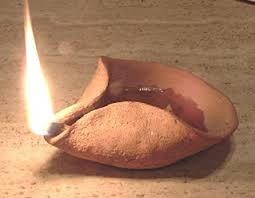 The raven looked around. The tiny room at the top of the tiny wooden house was filled with books and papers written in a dozen ancient languages, which the wicked witch was reading by the light of a sputtering oil lamp with a nearly empty reservoir. “Well,” he told her, “we’re only six weeks past the solstice. Yeah. It’s dark all over. Girlfriend, you could do with a little more light—” Continue reading “A Light Story by Barbara Ardinger”
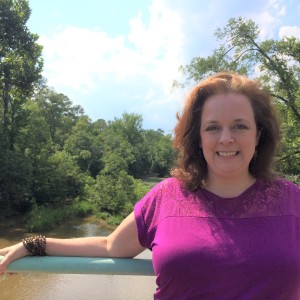 When I was 19, I fell hard into the kind of deep depression that hits college kids whose unstable upbringings, rife with inconsistency and trauma, left them ill-prepared to face the self-direction and responsibility of independence. I didn’t grow up religious despite my father’s attempts to turn visitation weeks into conversions, but had started attending the local Episcopal cathedral months earlier after seeing its
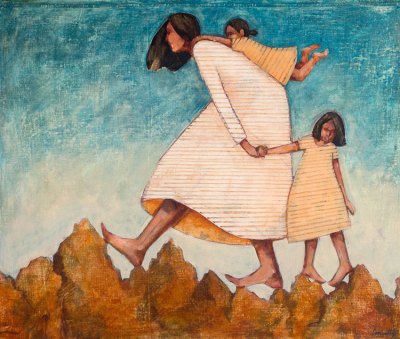
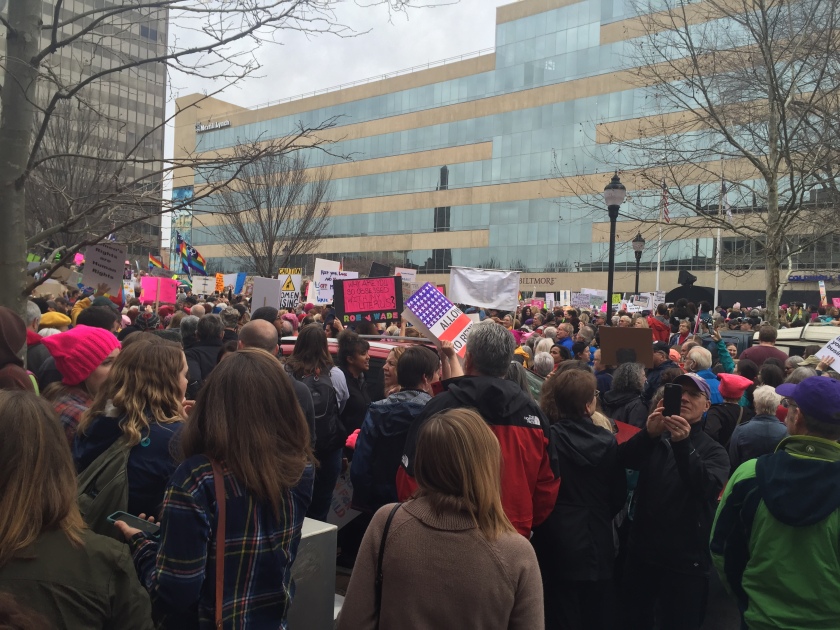
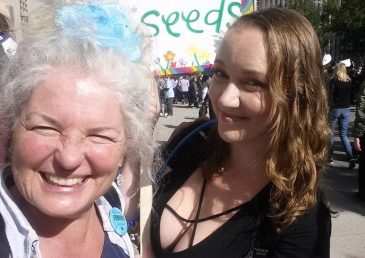
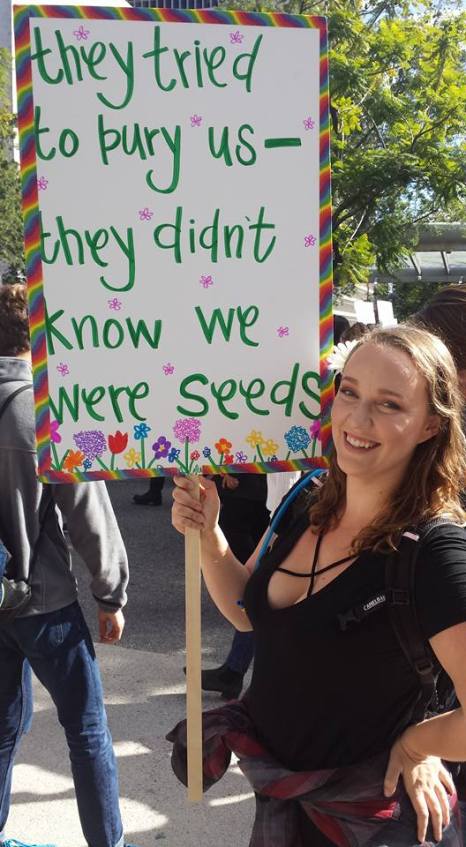
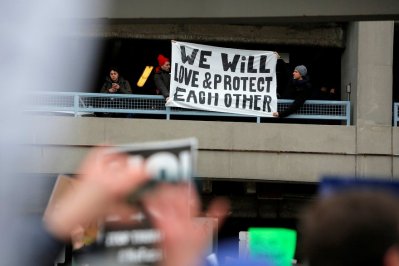
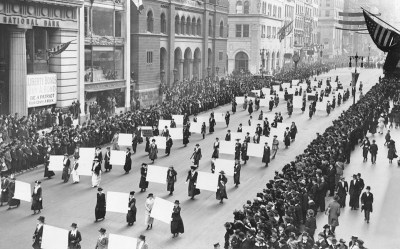
 What an honor to have taken part in the Women’s March (Washington DC) last Saturday, January 21, 2017! The event made visible the enormous number of people willing to give their time and effort to stand up and march for justice in the areas of women’s reproduction, immigration, race relations, LGBTQIA, the environment, and health care. The most frequently-used chants that I heard during the march were: “Black Lives Matter” and the call and response “My body, my choice. Her body, her choice.”
 Feminism and Religion