
The Legacy of Intergenerational Violence/ Silence, part 1 By Sara Wright

 Patriarchy begins at home.

Author’s Note:  One reason I am sharing this story is that I hope that it will ease another round of suffering. However,  I would dearly like to believe that others might reflect upon the ways they have been impacted by family violence or silence in their own lives, so we don’t get caught by projecting these patriarchal roots outside of us onto the collective while dismissing them in ourselves. That dark  patriarchal seed is present in all of us, and I think that telling our personal stories keeps us attached to the whole with humility – a challenge in this time of monstrous ethical, social, political, ecological breakdown.
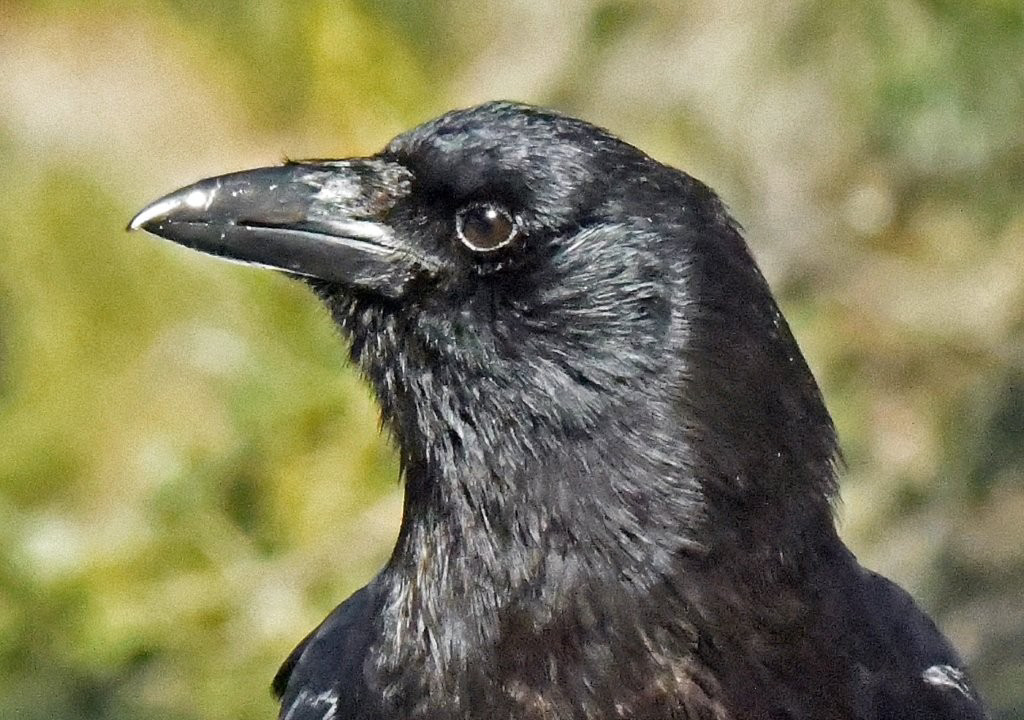
  I often have dreams that leave me with  questions, dreams that provoke deep personal reflection, dreams that stay with me as the following one did. At mid-life I had written tributes for two men that mentored me from a distance who brought ‘good fathering’ into the foreground because each encouraged me to believe in myself, to celebrate my original thinking, to trust my intuition and more.

Continue reading “The Legacy of Intergenerational Violence/ Silence, part 1 By Sara Wright”
THE OTHER SIDE OF THANKSGIVING by Sara Wright

THE GRANDMOTHER THREAD

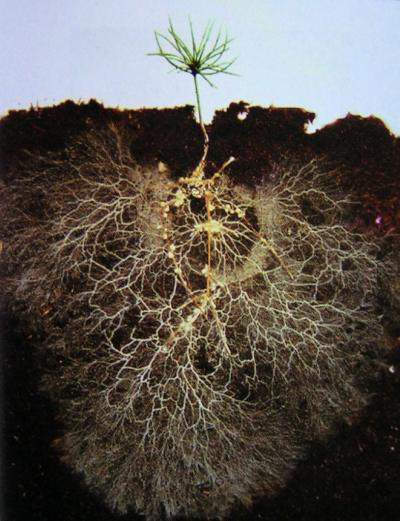
November is the month when the veil is thin and permeable and it is possible to engage with the ancestors …I recently received information that for me November’s moon belongs to the grandmothers, and the liminal space in between and not to the hunter/killers. How is it that what seems so obvious was wrapped in the shroud of my unknowing?

On all hallows I crossed a threshold when the hunters moon transmuted from male to female. trusting my senses, I called up the archetypal grandmothers while grieving my lost connection to my own grandmother. I honored these elders as a powerful force of nature… and left it at that.

Continue reading “THE OTHER SIDE OF THANKSGIVING by Sara Wright”

Identifying the Drama Triangle in Fiction and Reality by Stephanie Arel

Are you planning to gather with family or friends to celebrate during the holiday season?  For many, this idea elicits joy, but for others, it evokes tension, dread. Some may even think, “Ugh, I don’t want to deal with the drama.” The reaction is real. Elucidating a psychological concept related to such dread sheds light on this “drama” and may help you manage tense and potentially provocative situations over the holidays.

Stephen Karpman developed the concept of the drama triangle in his 1968 essay, Fairy Tales and Script Drama Analysis. He looked at the stories that cultures tell, considering how these stories instill images, roles, and demeanors in the social imagination, which then manifest in individual and group behavior. The narrated plot lines work on the unconscious to provide attractive stereotypes: the helpless (as a human) mermaid Ariel makes a deal with a Sea Witch for legs; she becomes human but loses her voice in exchange – a voice restored due to the true love of a prince. Cinderella, the stepdaughter working amidst the ashes for the evil stepmother, wishes for more, and viewers watch as a prince eventually arrives. Stereotypical Barbie faces an existential crisis; she, like Ariel, finds power in human form, and corrects the wrongs of patriarchal society against both doll and owner. Every drama presents a triangle.

Continue reading “Identifying the Drama Triangle in Fiction and Reality by Stephanie Arel”