Happy International Women’s Day, Men and Women of the World by Oxana Poberejnaia

oxanaI am writing this on International Women’s Day. I know from living in three different countries what different faces this day can have. And I can see how these different perceptions are informed by each country’s history and political situation. This is a Buddhist principle of dependent co-arising: nothing exists in separation from anything else, all phenomena arise in dependence on everything else.
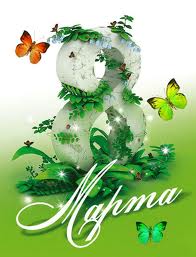
8 Marta - 8 March Russian card
8 Marta – 8 March Russian card

For instance, the Soviet 8th March was a public holiday and culturally it was a day to celebrate femininity, and – separately but connected – awakening of nature in spring. In the US, International Women’s Day was next to non-existing when I lived there in mid-1990s, apart from for hardcore Communists and Socialists, who celebrated it as a milestone on the road to Socialist equality. In the UK nowadays, International Women’s Day takes on a shape of a women-only day, a statement of women’s independence and very often celebration of same-sex love between women.

Continue reading “Happy International Women’s Day, Men and Women of the World by Oxana Poberejnaia”
Heart of the Matter by Oxana Poberejnaia

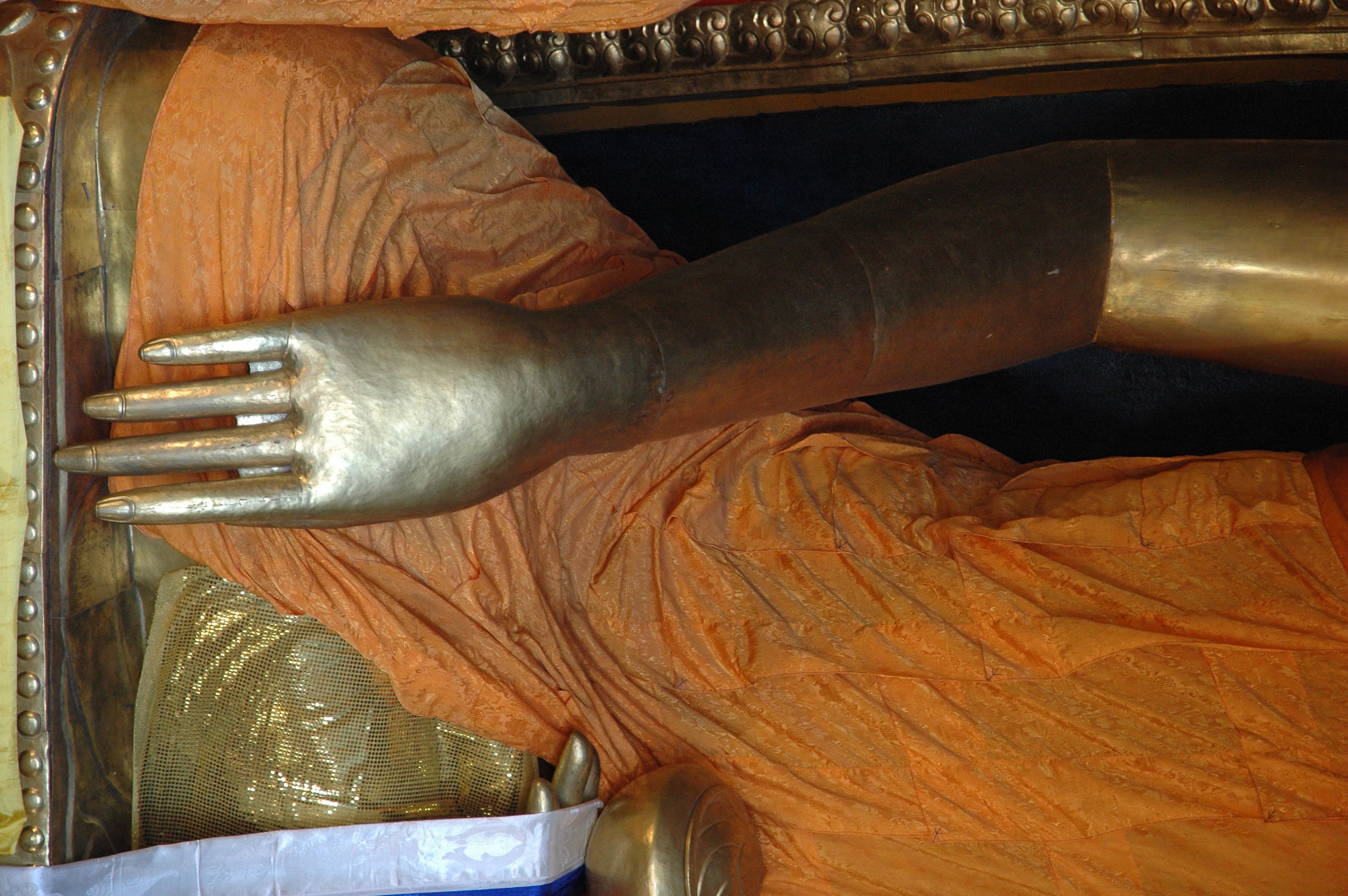
oxanaMy friend whom I teach frame drumming teaches us shamanic journeying. There was an episode in one of my journeys, when, unable to see the way forward, I put the palm of my hand on the ground and went down a hole I was creating to the core of the earth. Since then, this scene came into my mind several times when I was talking to friends about inner truth. Also, the posture itself bears uncanny resemblance to the iconic Buddha posture of touching earth with his right hand.

Touch the Earth Mudra

According to a Buddhist legend, on the night of Enlightenment Prince Siddhartha encountered Mara, the Lord of Death, who threw various hindrances the Buddha’s way to prevent him from attaining Supreme Enlightenment.  The final challenge was Mara’s claim that the Buddha had no right to be in the seat of Enlightenment. The Buddha then touched the earth with his right hand to call Her as a witness of his past spiritual achievements and his right to gain Enlightenment.

Continue reading “Heart of the Matter by Oxana Poberejnaia”

Masyanya’s Punk Buddhism by Oxana Poberejnaia

oxanaIn autumn 2001 I attended a youth workshop in Moscow, where I saw for the first time a brand new flash animation character who would accompany us in our young adulthood. Her name is Masyanya. She is a leader of a punk rock band. She does not take herself too seriously, but she means everything she says or does. I look up to her. She makes me laugh. And in one of the recent episodes Masyanya taught her male friend Lokhmaty (Shaggy) Buddhist meditation.

220px-Masyanya-Lokhmaty-Hryundel_from_cartoon_Russian_Punk_RockMasyanya is a creation of Oleg Kuvaev, a male Russian designer and animator. You can read his brief history of the project and watch episodes without dialogue here. On YouTube there are some Masyanya episodes with English subtitles, like this one, entitled “Women Triangles”.

Continue reading “Masyanya’s Punk Buddhism by Oxana Poberejnaia”

Buttons and Hooks by Oxana Poberejnaia

oxanaI have a problem. Some women push my buttons. Some men anger me, but in the context of feminism it is different. I usually dismiss men’s offensive actions and words as expressions of patriarchy. I take action, when I can – for instance recently I complained about the BBC radio 2 broadcasting misogynist statement when discussing a proposed Paternity bill. Complaining about the BBC to the BBC is like trying to stop a tide single-handedly. However, if no one does anything, nothing changes, as we know. In addition, I hope that statements such as “women of child-bearing age should only be employed by striptease bars” broadcast completely unopposed on the national radio service (for which we the listeners pay annual subscription) will raise more than one objection.

But coming back to women. I have noticed recently that very often I end up in deadlocks with women over silly issues. Once I was engaged in a debate about capitalism with a woman to the point when I completely forgot that I was supposed to be doing something completely different for work. The mysterious aspect of these “quarrels” is that more often than not the women have more in common with me than not: they are intellectual, independent and strong-willed. I suppose it is slight differences that unnerve me.

Continue reading “Buttons and Hooks by Oxana Poberejnaia”

The Quiet Voice of the Frame Drum by Oxana Poberejnaia

oxanaLayne Redmond passed away on 28 October 2013. Days before her death I received by post her signature Lotus Tambourine which Layne developed with Remo, manufacturer of world frame drums. Remo posted a tribute to her on her page as a Remo artist. Percussive Arts Society published an In Memoriam of her, along with the link to an article by Layne Redmond “Frame Drums and History”. Facebook and especially Women Frame Drumming page exploded with expressions of gratitude, sympathy and testimonials of how Layne changed people’s lives. Here is an account of Layne’s last summer by a person who supported her in her end-of-life transition.

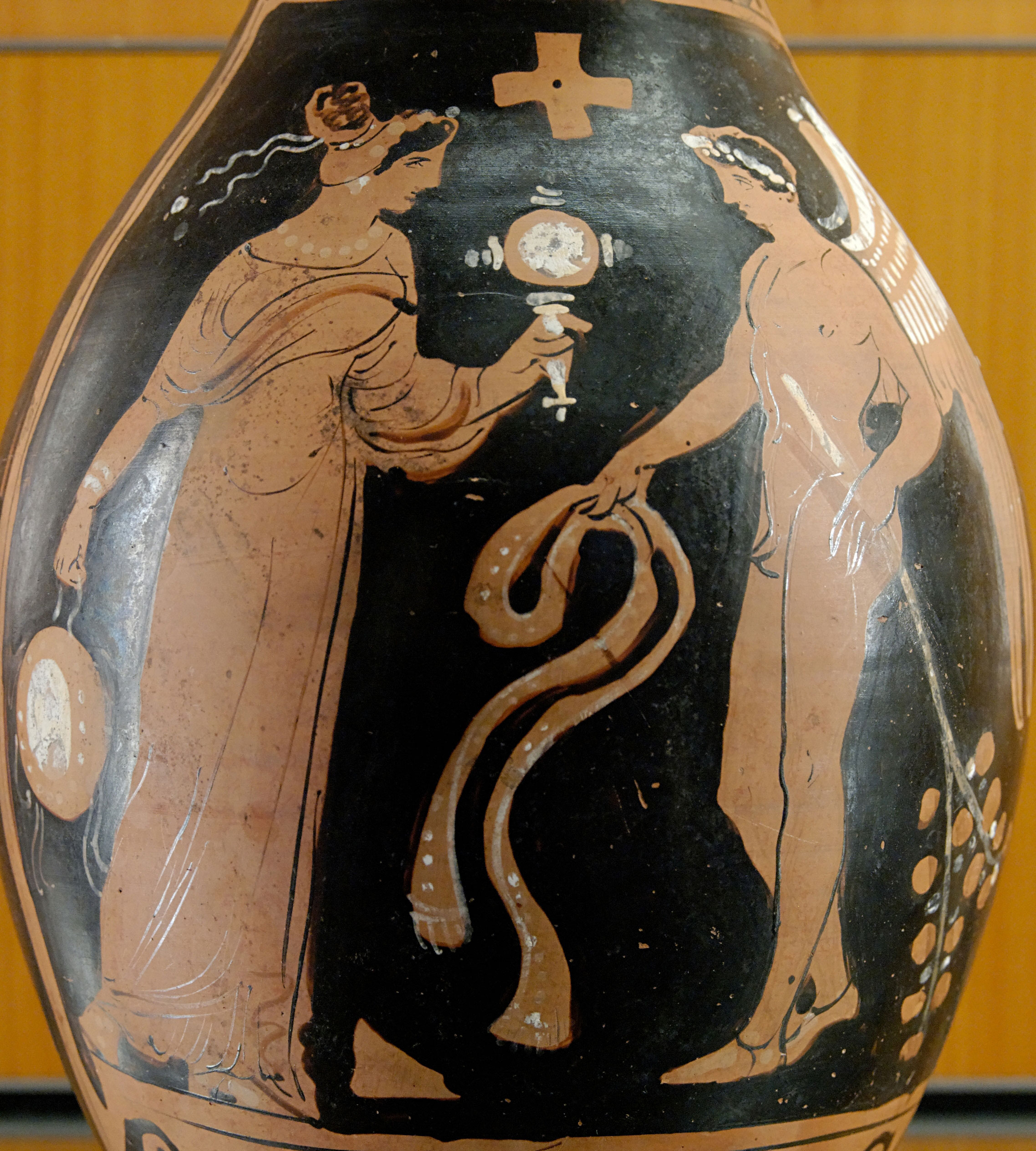
Woman_mirror_tambourine_MBA_Lyon_L631FWLayne Redmond was intensely busy with two projects during this time: completing her film about drumming spiritual practices to dream awake Afro-Brazilian Gods and Goddesses, and preparing her seminal book When The Drummers Were Women for re-printing with new materials and photos. She put out appeals for both projects, including on Karen Tate’s show “The Voices of the Sacred Feminine” in June 2013, and people helped with their money and time.

Continue reading “The Quiet Voice of the Frame Drum by Oxana Poberejnaia”

Peace of mind vs Dogma and Capitalism by Oxana Poberejnaia

oxanaWhen I said in my response to Carol P. Christ’s comment that on one level Goddess spirituality and Buddhism are about the same thing, I am afraid it could have sounded shallow. What I wanted to express is that for a Goddess adherent, the primary goal is not to go through death and be reborn. Neither is the primary goal for a Buddhist to go through death and not be reborn. I believe they both seek the same thing: to be happy in this lifetime, to be comfortable with themselves and the world, to be OK with the reality of their own death. Carol says: “For me, regeneration applies to the community, to nature, to the whole, not to the individual”.

The two faiths just lead to this result by using different theology and practices. One of the ways Buddhism installs this peace of mind is by dissolving the very notion of an “individual” and thus, their impending death becomes less of a problem. From the Goddess side of things, listen to an episode of Karen Tate’s Sex, Religion, Politics podcast Enlightenment for the Rest of Us/Shamanism with Polly Campbell, author of Imperfect Spirituality: Extraordinary Enlightenment for Ordinary People. Karen is a Goddess advocate, and what Polly was teaching could be called secular Buddhism: the same breathing techniques, being in the moment and being grateful.

Continue reading “Peace of mind vs Dogma and Capitalism by Oxana Poberejnaia”

Cultural conditions and Spiritual Subtleties by Oxana Poberejnaia

oxanaI am very grateful to Carol P. Christ and other contributors for their insightful comments and thoughtful questions to my post “Blindness of the Gals”. As I promised to Carol, here is my post that starts answering some of the issues raised in the comments.

I cannot say that it was giving birth to my daughter that first made me question my blindness to patriarchy in religion and culture. Rather, it was a gradual process of educating myself by reading works by feminist thinkers, and learning about the brave women and men who have been fighting and are still fighting for women’s rights.

Continue reading “Cultural conditions and Spiritual Subtleties by Oxana Poberejnaia”

Mindfulness of Putting Ourselves Down by Oxana Poberejnaia

oxanaFrom the Buddhist point of view, all phenomena are conditioned, i.e. they arise, carry on, and come to an end because of other phenomena. Buddhism does not look at anything we experience as “things”, but rather as processes.

Confusion arises due to various factors, chief among them : 1) vague sense of “ego”, and 2) language. The vague sense of ego is portrayed in Khemaka Sutta as the last delusion that a monk drops before getting Enlightened, so we won’t worry about it now. Where language is concerned, Buddhism stands on similar positions to those of postmodernism and feminism, i.e. our social world is defined by how we speak about it. One can say that we actually create society by the act of speaking.

Continue reading “Mindfulness of Putting Ourselves Down by Oxana Poberejnaia”

Blindness of the Gals by Oxana Poberejnaia

Oxana PoberejnaiaWomen (and men) are often blind to women’s inequality. I, as a Buddhist practitioner, have been blind to the reality of women’s second-class status in sacred texts of Buddhism and practice.

In her book “Buddhism After Patriarchy” Rita M. Gross describes how her fellow western Buddhist women completely overlooked the fact that women are not allowed into Rumtek Buddhist monastery in Sikkim, even after watching a video of a woman leaving an offering outside the gate and walking away.

Continue reading “Blindness of the Gals by Oxana Poberejnaia”

Menstruation for Buddhist Women by Oxana Poberejnaia

oxanaNot all, but many women menstruate. The menstrual cycle is a contentious areas for feminists. Even men who aspire to be a feminist tend to find it difficult to deal with it. Inappropriate jokes ensue, and completely ignoring the issue is also a popular option.

My journey along a feminist path and toward the Sacred Feminine necessarily included working with my menstrual cycle. In this, Women’s Wisdom and the Menstrual Cycles articles  and Womb Blessings by Miranda Gray have been most helpful.

Continue reading “Menstruation for Buddhist Women by Oxana Poberejnaia”