

*Trigger warning
**When I refer to Black women, I am referring specifically to descendants of African peoples that were forced to experience the dehumanization of chattel slavery in the United States.
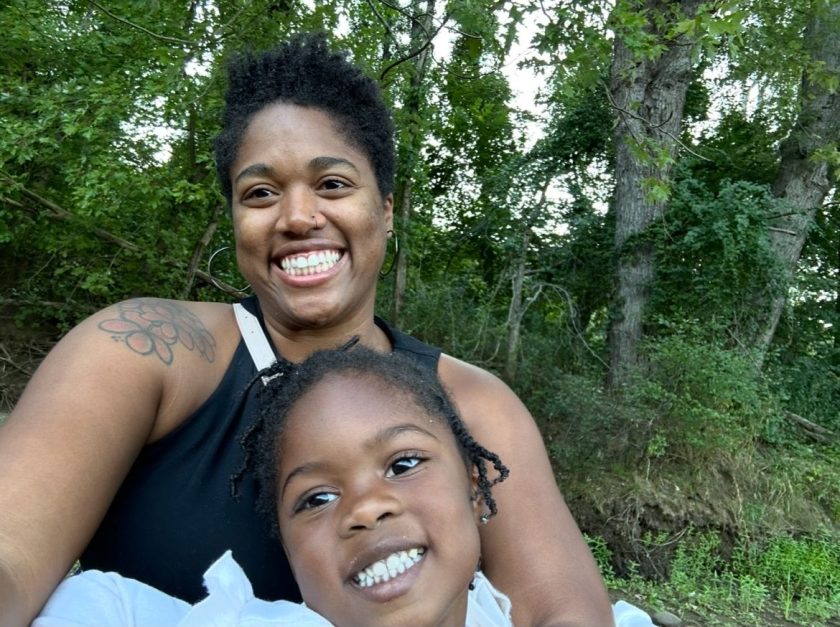
I am no different than most Black children. Physical, mental, emotional, and physical harm is a historic reality deeply rooted in the Black American experience. This experience is mirrored in collective parenting and relating to children. In this context, many parents believe preparing children for the harsh realities of the world and the United States, while living in Black bodies, necessitates acclimating them to mistreatment and aggression. This parenting approach, (a consequence of centuries of colonization, slavery, and the ongoing impact of white supremacy), prioritizes survival. This survival mechanism has indeed ensured that we live and therefore I deeply respect the survival mechanisms deployed to survive. I offer no harsh critiques, only lessons learned and a desire for us to do better collectively now that we know better.
Despite my respect, my conscious parenting style is seen as an attack or critique of traditional authoritarian parenting styles imprinted within my community and a culture that makes light of harm towards children. My approach is often labeled “too soft,” and “too much” nurturing, patience, and respect. The belief that embedding a strong sense of self and positive self image will ill-equip them for the real world ignores the profound mental and emotional damage caused by a lack of love and support – a basic human need for healthy development. When a child’s soul is rarely nourished their potential remains unfulfilled. They miss the opportunity to develop a strong sense of self and define themselves in a positive regard. They may grow into bitter, angry, self-loathing, violent, hardened individuals, burdened by resentment and the lingering wounds of past injustices. Unfortunately, they are often conditioned to perpetuate the behaviors that have harmed them onto their own children.
Through therapy, self study & self-reflection, and the profound insights of thinkers like bell hooks and Audre Lorde, I’ve uncovered a crucial link between the deprivation of emotional nourishment in my childhood and the development of unconscious-limiting beliefs. These beliefs profoundly influenced my understanding of domination, violence, belonging, and love, ultimately shaping my attachment style and how I relate to others. For a long time, I unconsciously associated love with pain, violence, and the suppression of my own needs – this is what led to being dominated by men and eventually domestic violence.
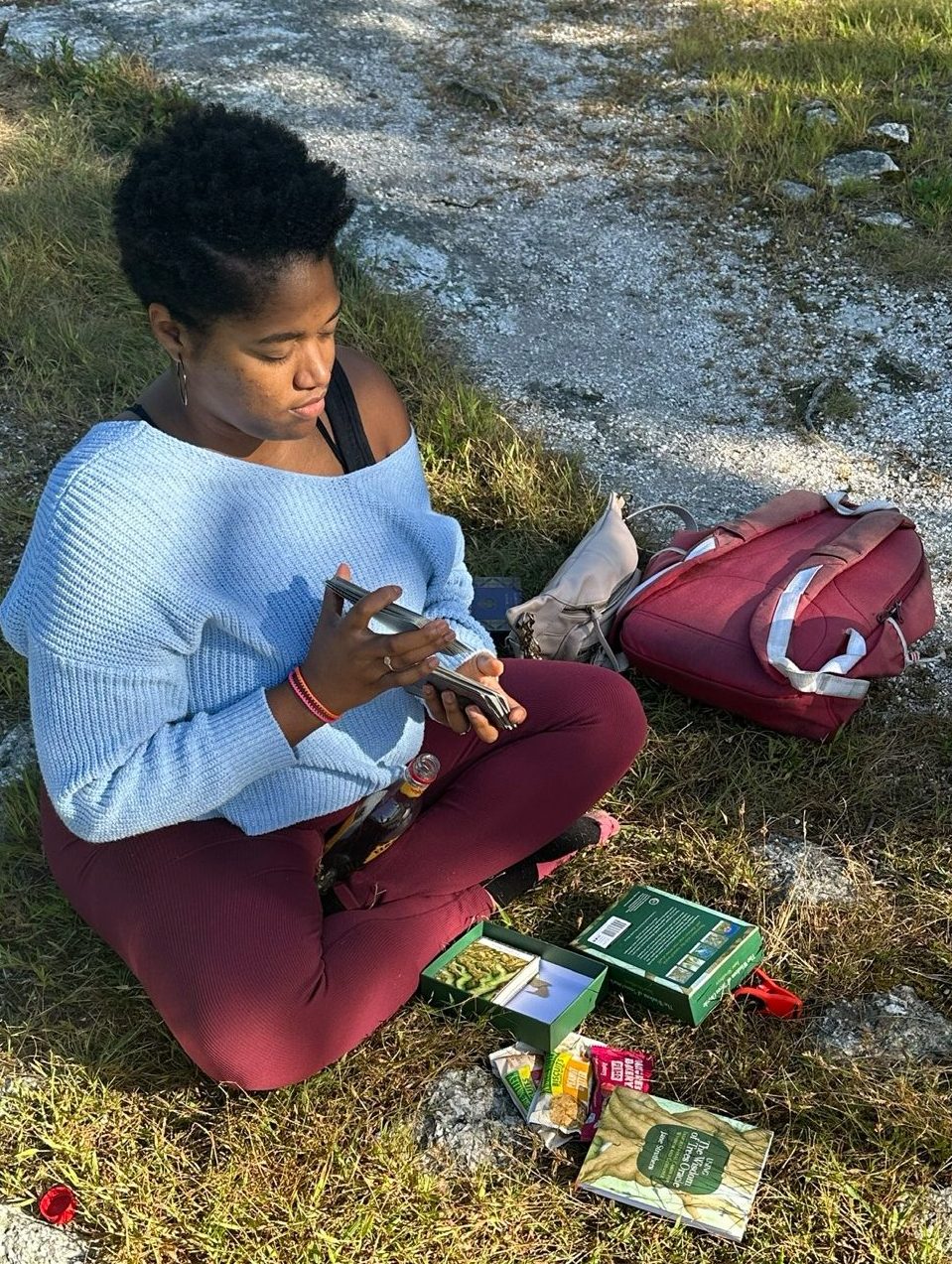
Before this profoundly violent experience in which I almost lost my life when my baby was 1 years old, I would have dismissed the notion of inherent evil. I believed that systems of oppression, not individuals, were the true source of harm. My response would have been, “Burn down the system! Fight the power!”
However, confronting this evil firsthand shattered that belief. I witnessed pure, unadulterated evil in the eyes of my attacker. That experience irrevocably altered me, stripping away my childlike innocence and leaving me with a profound sense of loss and mistrust.
My yoga practice has taught me that violent actions stem from violent thoughts. This realization fuels my commitment to increasing access to mental and spiritual healing, believing that these practices can cultivate inner peace and ultimately reduce violence in the world.
Victim v. Survivor
Many of us who have experienced trauma deeply resent being labeled “victims.” This aversion is entirely understandable. In our society, the term “victim” is often used to dismiss and minimize women’s experiences, portraying them as weak, powerless, and even foolish. This weaponization of victimhood is deeply dehumanizing. This happens when women are referred to as “playing the victim.” I can personally attest to this, having endured the profound indignity of being referred to as a “victim” during legal proceedings following a horrific act of violence. The label itself compounded the trauma and dehumanization.
Not all victims survive. The term ‘survivor’ implies strength, fierceness, and the capacity to overcome. It evokes images of a phoenix rising from the ashes, a magician transmuting devastation, dehumanization, and violence into gold. These are qualities that anyone who has endured trauma aspires to embody.
For a long time, I neglected the wounded part of myself – the part that bore the brunt of the trauma experienced that way and all the way to Black childhood. I mistakenly believed that acknowledging this ‘victim’ within would hinder my healing. I was afraid that if I submerged into the abyss that I may never resurface and that I would drown in the guilt, shame, regret, grief, self loathing, and confusion. However, I eventually realized that ignoring this aspect of myself would only perpetuate the cycle of suffering. I needed to acknowledge and honor the pain, fear, and the profound sense of violation. I needed to see, hear, and embrace the violated woman within.
The following poem and opening paragraph by Dominique Christina in ‘This is Woman’s Work’ holds the violated woman with softness, care, and love.
“Somebody took it. Somebody took it. Somebody took it.
I ain’t never met a woman
Who didn’t look like a crime scene.
We are so broken and entered
We so every day robbed
We so always snatched
We so always took
I don’t dream of love no more
It’s a made-up suffocated story
It keeps a blade in its back.
It’s gon always bleed and
Turn to brine.
Naw, I don’t go in for love no more.
A man who don’t turn your flesh
To cautionary tape….
Is a man who aint’ been born.
The Violated Woman has been mishandled. She has heard the sound of flesh breaking. She writhed under the weight of another. Her mouth has borne a fist. She has been a shudder. She has been a scream. Hers is the worst kind of story. Her hips pushed to shards. Her hands left knuckled and broken. She has been the scorned one. The torn one. The she-asked-for-it one. The one who grew barbed wire around her thighs. The one who fights to remember her body when it was not treated as a liability. The one who bled the sky with her prayers. The one who has been face down. The one who has been knees up. The one who has been a crime scene. The interrogated one. The dishonored one. And the one who is most familiar to me” (130). – Dominique Christina
I want to insert an original poem born of my womb’s pain and loss.
Woe is it to be a Woman
The womb knows no privacy
On display for the world to see
Judging
Deciding
My worth determined by my womb’s performance
By its function
No privacy
No agency
Like Hagar decisions are made concerning the sacred space in my core
My center
My womb, a battlefield
This sacred space is not honored for what it is capable of
But controlled
We are feared
Subjected
Repressed
Made small
Crushed
There is so much more to me than my smile
Do you even care to know who I am and the unique particularities of the universe that has manifested as me
Or are you still looking at my chest
My thighs
My eyes that hide
The fact I’ve been conditioned to make you comfortable, despite my own discomfort
Ignorant of your ignorance
Victims and survivors of Patriarchy
How does a mermaid dwell in the shallow waters of another’s soul
I live for the depth
Intimacy
Passion
Relation
Human connection
I grow in deep waters
I am nourished in the ocean of life
I want you to know there is so much more of me to love
So much more woman
So much more ME
Than what you see with your eyes or even touch with your hands
I am land
Air
Fire
Depth
Death
Pain
Rupture
Fissure
Throbbing pain
Poking
Prodding
Needles
Scars
Blood
Pain
Regardless of the decision there is pain
Pain of prevention
Pain of homophobia
Pain of pregnancy
Pain of postpartum
Pain of termination
Pain of poverty
Pain of menopause
Pain of widowhood
Pain of racism
Pain of miscarriage
This world will never know and will never hear the collective pain and cry of women.
FOR WOE IS IT TO BE ONE.
Discover more from Feminism and Religion
Subscribe to get the latest posts sent to your email.

 Feminism and Religion
Thank you for this post!
LikeLike
I thank you as well for this post. You lay out for all of us much of what is underlying our culture in all its ugliness. I have always bristled at the term “victim” in favor of “survivor.” You have made me think more deeply about this.
Your poem is very powerful. Thank you also for sharing it.
LikeLike
Powerful writing! I once thought: if the pain of all women could be gathered into one place it will break the world. Thanks for putting into words what too many do not have agency to express.
LikeLike
Wow. That took four times trying to post! WP playing up?
LikeLike
Phenomenal, powerful writing. Thank you so much for your bravery in sharing such vulnerable yet inspiring words ❤️
LikeLiked by 1 person