From the Archives: To Nurse at the Same Breasts: Muslim-Jewish Kinship in Literature and Life by Joyce Zonana

It is tempting to read these recurring images of milk twins in Arab-Jewish literature as no more than a symbol, albeit a powerful one, of the profoundly intimate “brother- (and sister-)hood” of Jews and Muslims in the  pre-partition culture of the Middle East and North Africa.

But the image of “milk twins” is much more than a metaphor or a symbol: it represents a reality. For it seems that many Jewish and Muslim women, living side by side as they did, had in fact regularly nursed one another’s children.

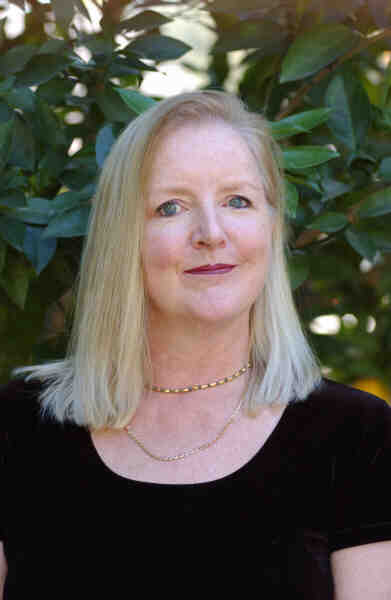
Moderator’s Note: We received the devastating news yesterday that Joyce has died. (She was born on July 16, 1949, and passed on June 11, 2025 during the full moon.) She wrote bravely of her diagnosis of glioblastoma multiforma from Feb 2022. She survived far longer than her diagnosis would suggest. Joyce is a long time contributor to FAR, writing many brilliant pieces along the way. We’ve been so lucky to have been a platform for her writings. We are posting this one today in honor of her. It was originally posted on Jan. 20, 2022 and has special poignance given the situation happening now in the Muslim/Jewish world.

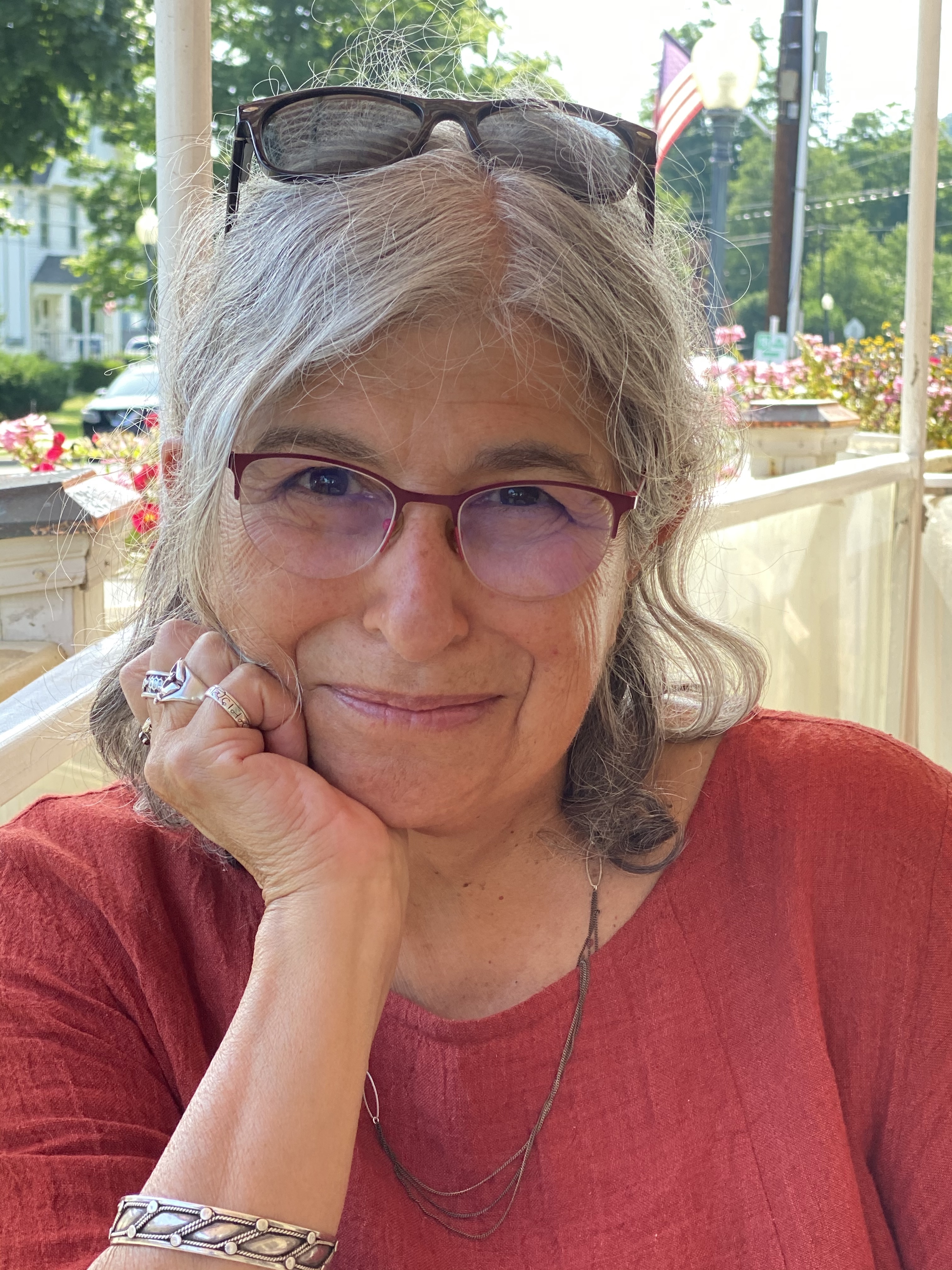
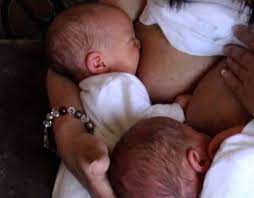
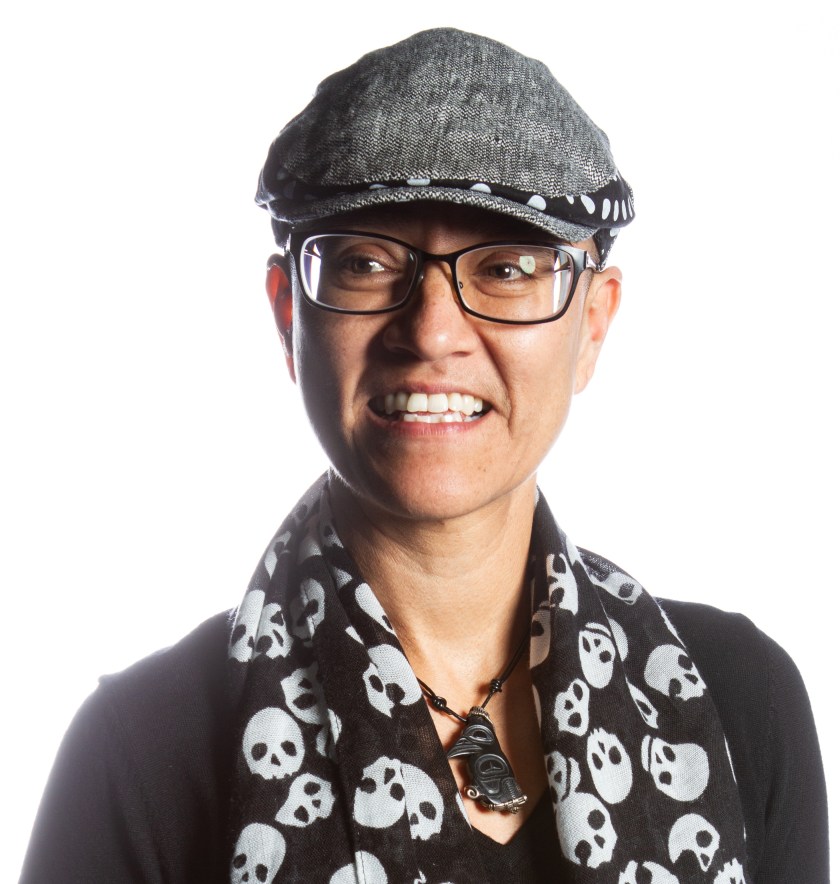
Joyce Zonana. headshotTobie Nathan’s panoramic novel about Jews and Muslims (and Christians) in early twentieth-century Egypt, A Land Like You, revolves around one central image: two infants—one Jewish, one Muslim; one male, one female—peacefully nursing at the breasts of a young Muslim woman, Oum Jinane (“Mother Paradise”).

After the birth of her long-desired daughter Masreya (“The Egyptian Woman”), Jinane travels from her poor Muslim neighborhood to a poor Jewish neighborhood to help another young mother whose long-desired infant son is languishing because she has no milk.  “It’s a miracle, a great miracle,” the Jewish boy’s relatives declare:

images

Never had any neighborhood in Cairo been so excited by a baby’s nursing. Until bedtime, the child nursed three more times at the breasts of abundance. He took hold of one nipple, little Masreya  another, and the two children’s hands sometimes touched. You would have thought they were two lovers entering Paradise as they held each other’s hands.

Continue reading “From the Archives: To Nurse at the Same Breasts: Muslim-Jewish Kinship in Literature and Life by Joyce Zonana”

Summer Lessons, by Molly M. Remer

Let us be gentle with ourselves 
as we cross the threshold 
into summer, 
as we both open our hearts to change 
and open our hands to choice. 
It is now that we both let things go 
and celebrate what is flourishing, 
what is thriving and growing 
and calling us onward. 
Let us be soft and supple, 
luminous and languorous. 
Let us practice the discipline of pleasure 
and the liturgy of delight. 
Let us protect wide margins for magic,
commit to our own life’s unfolding 
and swim freely 
in the current of the sacred 
that is always available 
to receive us 
and welcome us home.

Today, I sit missing the orioles and thinking about cycles of change, how things grow and decline, and how we can choose to be present or not with what we see and feel. I tip my head back in the green filtered light of morning and discover berries beginning on the mulberry trees. The wild raspberries and blackberries too are tipped with small, firm caps of green. I am feeling the sort of overdue clarity that descends when I finally realize I can let something go, that not everything is mine to carry or mine to fix. I know that this clarity too will come and go, but for now, I welcome it, feeling the cool wind stirring my hair and brushing my shoulders as I enjoy the sunshine and the sound of hawks on the wing. There is a powerful hope in these blue sky days and for now, I bask in the sensation of both remembering and reclamation.

This year, as we tip into summer in the Northern hemisphere, the temperatures in my own Midwestern biome have been surprisingly cool, peaceful and rainy. In an era of climate change, this slow entry into the heat of the year has felt welcome and encouraging. Something that continues to inspire and teach me this year has been to start where my feet are, to return again and again to where I am on this earth and in my body. In a culture that encourages fragmentation and distraction, distance, discord, and dis-embodiment, this practice of return is an act of both rebellion and reclamation.

I have been writing for Feminism and Religion for 13 years. This year, sitting down to write and reflecting on the life lesson of starting where my feet are, I decided to go back through my past summer posts here to discover the other lessons I have learned from summers gone by. I chose thirteen lessons to share from past summer posts:

Continue reading “Summer Lessons, by Molly M. Remer”

Dancing the Stories That Heal

After a near-death experience in 2019, I found myself immersed in myth and movement—sitting with Clarissa Pinkola Estés, dancing archetypes through Movement Medicine, and weaving stories like the Handless Maiden and the Red Shoes into my everyday life. This post shares some of the journey of how myths became embodied allies and an invitation for you too, to remember what lives in your bones.

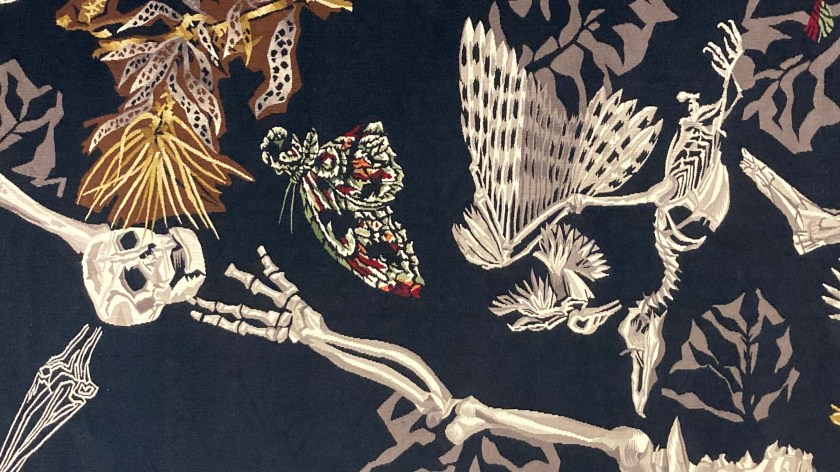
Tapestry: Le Grand Charniers (1959) by Jean Lurçat, Musée Jean-Lurçat, Angers, photographed in 2024. Image © Eline Kieft.
Continue reading “Dancing the Stories That Heal”

Do You Hear Seal-Woman Calling?

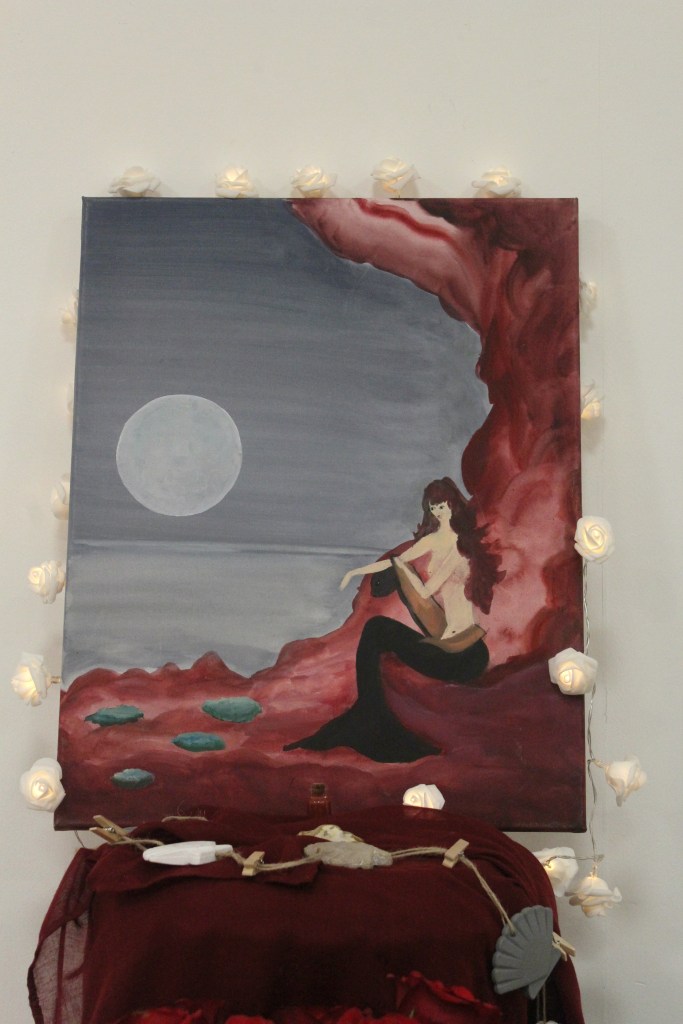
It was beautiful to read Carol P. Christ recent ‘from the archives’ post “Mermaid, Goddess Of The Sea,” especially because I’m in the middle of organising my first live Story-Dance workshop since several years, to move through one of my favourite stories of the Selkie-Seal Woman!

Stories of seal-women drift across the sea from the windswept coasts of Scotland to the icy shores of the Arctic. In the Scottish and Irish Highlands, Seal-women are known as selkies—shapeshifters who live as seals in the ocean, and who, when they shed their skins, walk as women on land. These selkie women dance beneath the moonlight, their laughter echoing across the waves as they rejoin their sisters in joyful reunion with the earth.

Continue reading “Do You Hear Seal-Woman Calling?”

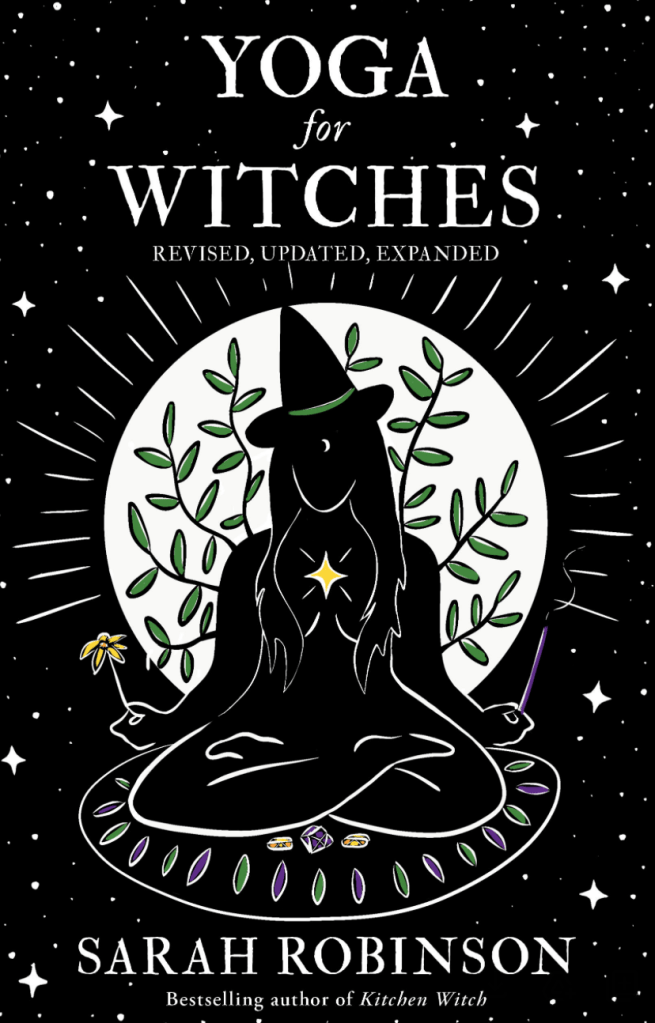
Yoga for Witches: Should You Try This at Home?

In this post, I review Yoga for Witches by Sarah Robinson, a practical book that weaves together two ancient practices with surprising similarities, yoga from the East, and witchcraft as practiced in Northwestern Europe.

I start with what I loved, and how Robinson describes the similarities and differences between those two traditions. That weaves into some personal and deeper reflections on the theoretical background and yoga sequences. At the end you’ll find a specific recommendation so you’ll know if this is the book for you!

Continue reading “Yoga for Witches: Should You Try This at Home?”

Practicing Mistakes in Karate by Xochitl Alvizo

One of my earliest lessons from karate, which I am still working to integrate, is about the necessity of making mistakes. I used to apologize every time I make a mistake, “I’m sorry,” I’d immediately say to my instructor. She would smile at me and at the end of class would say, “You don’t have to apologize for making a mistake; your body is just learning to do this for the first time, so of course you’re going to make mistakes. Mistakes are part of the process.”   

The necessity of making mistakes was something I needed to learn to embrace. As with other areas of life, making mistakes in karate made me feel like a fool. I would get frustrated with myself and would feel embarrassed, and would feel like my teachers were disappointed in me too. But one of the things that has helped me embrace my mistakes is seeing how I have indeed improved in my practice. The mistakes I now make are new ones and are about higher level forms and techniques—things that used to absolutely seem impossible for me. 

Continue reading “Practicing Mistakes in Karate by Xochitl Alvizo”

Womanist Sapphic Reflections on Sex, Desire, and Power by Chaz J.

**This post is based on my personal experience, research, survivor of the purity movement, and professional experience as a therapist and spiritual advisor of 5 years.

**Sapphic = women loving women <3

Everything is sex, except sex- which is power. Now ask yourself who is screwing you. – Janelle Monae

Desire, a flame that flickers, not always fanned to embers of the flesh, but today, let’s speak of its carnal heat, its dance with power, its intimate embrace with sex. 

A tempest roils within, desire’s current a raging, untamed beast. A lifetime shrouded in the gloom of putrified dread, where yearning was condemned, branded a scarlet path to eternal fire, has left its indelible scar. The hollow pronouncements of warning, like the venomous whisper of James 1:14-15, still slither within, etched into the marrow of my bones: “Temptation comes from our own desires, which entice us and drag us away. These desires give birth to sinful actions. And when sin is allowed to grow, it gives birth to death.” These words, seared into my soul, a brand of shame, a constant, gnawing reminder of the perceived treachery of wanting, the supposed sin of simply feeling and wanting.

Continue reading “Womanist Sapphic Reflections on Sex, Desire, and Power by Chaz J.”

Legacy of Carol P. Christ: Connection to Ancestors in Earth-based Theology

carol p. christ 2002 color

This post was originally published on Jan. 14th, 2013

“I am Carol Patrice Christ, daughter of Jane Claire Bergman, daughter of Lena Marie Searing, daughter of Dora Sofia Bahlke, daughter of Mary Hundt who came to Michigan from Mecklenburg, Germany in 1854.  I come from a long line of women, known and unknown, stretching back to Africa.”

Like many Americans, my ancestral history was lost and fragmented due to emigration, religious and ethnic intermarriage, and movement within the United States.  Though one of my grandmothers spoke proudly of her Irish Catholic heritage and one of my grandfathers acknowledged his Swedish ancestry, I was raised to think of myself simply as “American,” “Christian” and “middle class.”  Ethnic and religious differences were erased, and few stories were told.

Over the past two years, I have begun to discover details of my ancestral journey, which began in Africa, continued in the clan of Tara, and was marked by the Indo-European invasions.  In more recent times, my roots are in France, Holland, England, Germany, Ireland, Scotland, and Sweden.  In the United States, my family has lived in tenements in New York City and Brooklyn, in poverty in Kansas City, and on farms in Long Island, Connecticut, upstate New York, Michigan, and Pennsylvania.  My parents and grandparents settled in northern and southern California during the 1930s.  I have lived in southern and northern California, Italy, Connecticut, New York, Boston, and now Greece.

Learning details about family journeys has created a shift in my sense of who I am.  Continue reading “Legacy of Carol P. Christ: Connection to Ancestors in Earth-based Theology”

Overnight at a Neolithic Dolmen: A Womb Healing Ceremony by Eline Kieft

In preparation for my hysterectomy, I decided to spend a night in a dolmen at Samhain last year, to seek guidance and healing. I chose Dolmen de Bajouilière in Saint-Rémy-la-Varenne, in Northern France, a site I had discovered by chance the previous year on my local explorations.

This well-preserved structure, with its spacious square divided into two rooms, felt inviting and safe for an overnight ritual. Though I am accustomed to spending nights in neolithic monuments, mostly in the UK, I felt some hesitation, partly due to my intermediate French and unfamiliarity with the local spirits.

Nevertheless, I recognized this resistance as part of the ego’s fear of the unknown, and I gave myself permission to retreat if needed. If I would feel too vulnerable, it wouldn’t serve my body and spirit ahead of the surgery. Please join me on my overnight Samhain Ceremony full of deep imagery and transformation as I shed my womb three times… 

Continue reading “Overnight at a Neolithic Dolmen: A Womb Healing Ceremony by Eline Kieft”

CrossFit, Spirituality, and Trauma: An Introduction by Stephanie Arel with Ashleigh Gibb

We met online. Saram College hosted a theology and trauma workshop that Stephanie taught. Ashleigh asked a question. An immediate connection emerged.

The connection consists of mutual interest and passion around bodies, their strength, their vulnerability; around the spirit, its expressions and its intrinsic materiality; and trauma, what violations to our bodies cause to disrupt and annihilate us. Our interests intersect. Stephanie teaches Scripture and the Human Response to Trauma at Fordham; Ashleigh is a Crossfit Coach and Personal Trainer currently pursuing her PhD. She has nine years of experience working with survivors of trafficking and sexual violence. Together, we recorded a few YouTubes on CrossFit and Spirituality, on Crossfit and Community, and one forthcoming with a topic in the works.

Continue reading “CrossFit, Spirituality, and Trauma: An Introduction by Stephanie Arel with Ashleigh Gibb”