


The poems below are excerpted from my new (I hope forthcoming) collection, Tell Me the Story Again. Ancient dreamer’s voice is one among many voices including sorrow singer, temple sweeper, sword woman, morose fool, merry drunk, grey cat and mouse, stone mountain, skeleton woman, mother rain and many more. The voices speak from a time perhaps just after (or long before) our time, in a real and magical world.
I chose to excerpt ancient dreamer’s poems because winter is the time, in Celtic lore, of the Cailleach, the old one, the divine hag. When I began writing the poems in 2014, my mother-in-law, then age 101, was in the last stages of her life. She slept and dreamed most of the time, and I would sit and daydream with her. She died two months before her 102nd birthday. When I took up the collection again in 2018 to complete it, ancient dreamer remained a strong presence and has the last word.

 During the last year I have been struggling with the catastrophic effects of Climate Change like never before as I witness the continuation of a drought that is withering plants, starving tree roots, shriveling our wildflowers and wild grasses, leaving our mountains barren of snow, and changing the face of the high desert for the foreseeable future. With forest fires leaving me literally breathless from plumes of thick smoke that turn the sun into a ball of orange flames at dawn, unable to cope with 100 plus degree heat, my body forces me to surrender: I will not be able to make my permanent home here. Instead I will migrate like the birds do – from south to north and back again.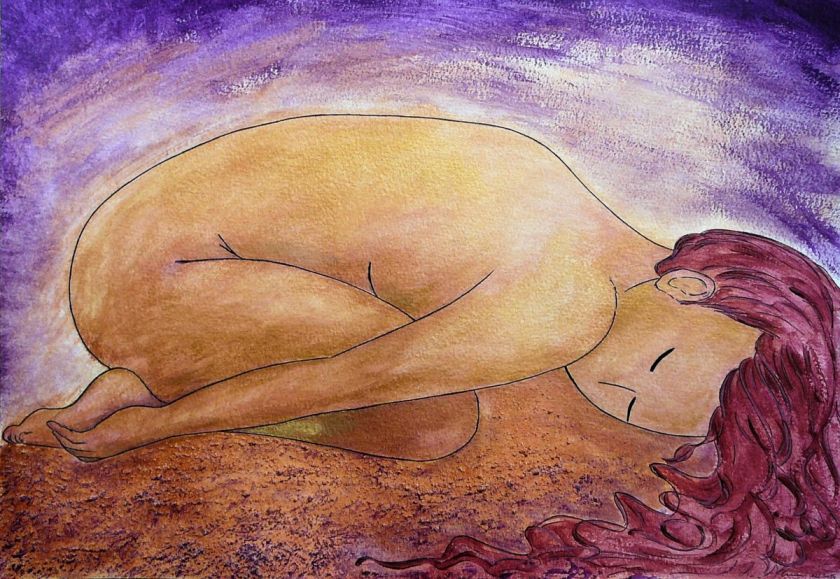
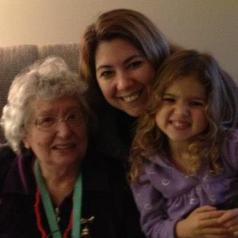 I often share that what I’ve learned about strength, perseverance, and responsibility, I learned from my grandmother and namesake, Gina. In November we celebrated her life and said goodbye to the pioneering woman who overcame the greatest of obstacles to lead a life of dissent.
  I can’t even save myself. I make bad decisions just like the ones in the world – bombs and wars and the industrial revolution with chains of greed. But then I go on and, without even knowing any part of the story, want to save others.
  Warning: this blog discusses spanking and bodily violence
 Just that one word dreamed the night of January 1st.
 The parshah for next week is Beshalach (Exodus 13:17 – 17:16). There are a lot of very important events happening in just four chapters. In fact, one could write a blog on any one of the following topics: the Israelite escape from Egypt; the parting of the Red Sea (literally the sea of Reeds); the Israelites being pursued by the Pharaoh and his army; the death of Pharaoh and his army in the sea; the incessant complaints of the Israelites in the desert; and the first descriptions of Shabbat observance.
