 I was driving through one of the more conservative corners of Orange County, California, a couple weeks ago and went past a very pretty brick church with a tall, proud steeple and signs in the front yard giving times of worship services. I have no idea what kind of church it was, but as I went past, a car pulled out of the driveway and began following me. It’s a public street, I said to myself. Looks like a tony neighborhood. No need to worry about being followed. So I neither sped up nor slowed down. At the red light, the car behind me pulled up beside me and the driver, a young man, looked at me. As soon as the light changed, he sped ahead, changed lanes, then slowed down just a little. As I pulled up behind him at the next red light, a hand came out of the driver’s window. A finger was aggressively elevated.
Good grief! How had I insulted this driver? The guy made a right turn, I stewed and fussed a couple of miles…and then it dawned. My bumper stickers. I have four on my car. PROTECT OUR MOTHER EARTH—SHE’S THE ONLYONE WE’VEGOT. THANK GODDESS. BRIGHT BLESSINGS. And my current political bumper sticker: IMPEACH THE SUPREME COURT. (This last, of course, is a comment on the Citizens United decision, which many people think is doing incalculable damage to the political process.) For years, my friends have been telling me that at any gathering, they can always tell I’m there by the bumper stickers on my car. Continue reading “Fun With Bumper Stickers By Barbara Ardinger”


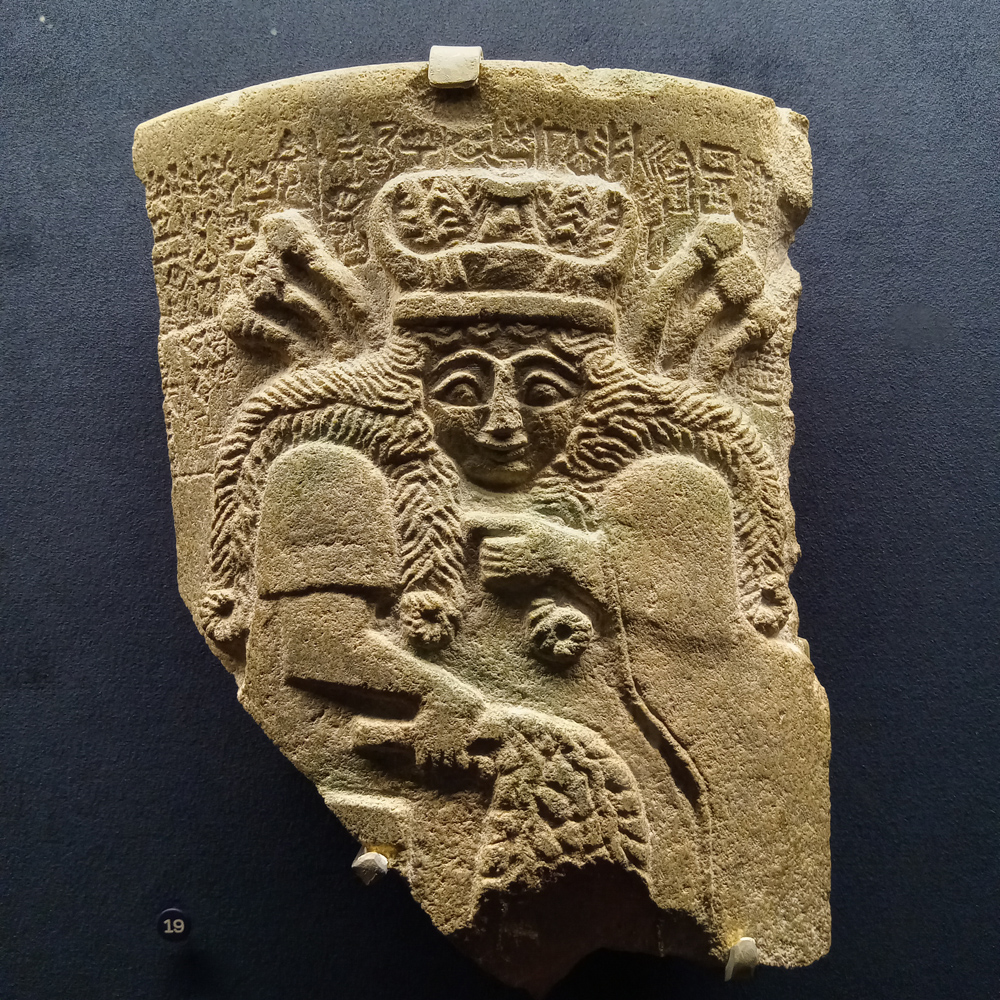


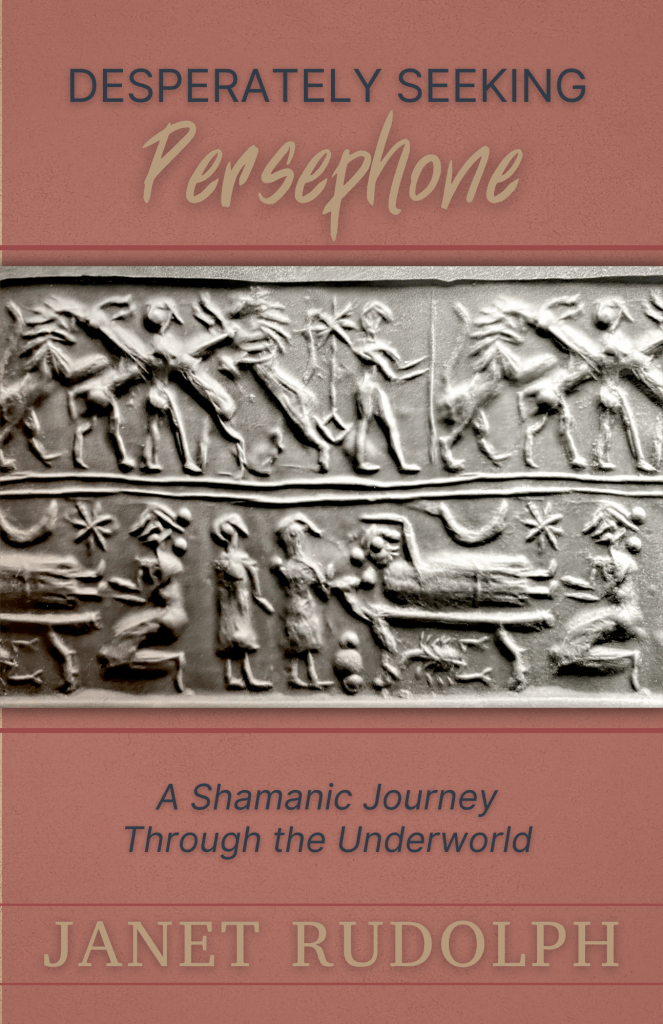
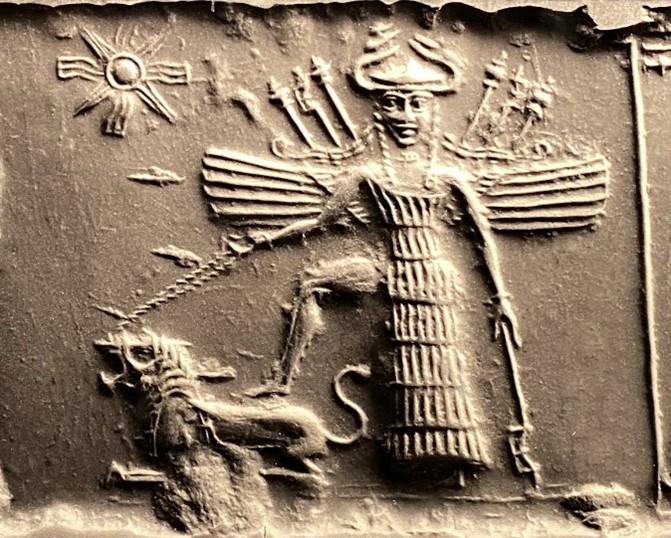
 These days I find it hard to write – I feel plagued with negativity, and the news and violence and overall hateful actions of others have weighed deeply on my soul. While I personally am ready to celebrate a milestone birthday, am another year closer to completing my Ph.D., witnessed the graduation of one daughter, experienced the independence of another, a milestone for my twins, as well as my father’s successful completing of another orbit around the sun after a year plagued with health issues – rather than joy, my heart is filled with pain – pain of the election, pain of the failure of our political system’s supposed checks and balances, pain of violence and bigotry like that enacted in Charlottesville, pain of terror attacks in England, Spain, Finland, France, etc. Where we ought to be united, we are divided. Thus, I write from a place of remembering – a place of strength – a place to say I count (as you count) – and I begin this blog in the voice of Enheduanna, where she becomes the first voice in history to reveal herself – her name, by simply stating – – “I AM.”
  Feminism and Religion