

 In the winter of 2013, I went on pilgrimage to Kathmandu, Nepal. While there, I visited the Khachoe Ghakyil Ling (Pure Land of Bliss) Tibetan Buddhist nunnery, the largest in Nepal with about 400 nuns. It’s affiliated with the nearby Kopan monastery where I stayed in the retreat housing. The nuns gave a group of us a tour of the gompa (meditation room), classrooms, workshops, and kitchen. The studies at the nunnery include math, science, and English, Nepali, and Tibetan languages, as well as meditation, debate, ritual arts, and chanting, the same education that the monks receive at the monastery. When not engaged in prayer and education, the nuns produce herbal incense renowned for its healing properties, which clear and uplift the mind. Not surprisingly for their ambitious program, a nun’s average day is 14 hours long.
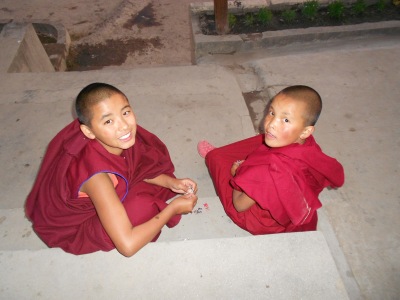 Since I am averse to crowds and rebellious by nature, I ducked out of much of the sight-seeing and instead spent my time engaging with the novitiates, the young nuns who were milling about before dinner because they had completed their classes, daytime prayers, and other duties. We asked each other questions like “What’s your name?” and “Where are you from?” Then I was treated to “Watch me do this!” and “Can you do this?” because the language of children is universal. Yet, what was special about these girls was that they were being given food, shelter, and an education — opportunities that many their ages, especially girls, would never know. Continue reading “20 Tibetan Buddhist Nuns Become Geshemas — An Update by Karen Nelson Villanueva”
 part of my second trimester and I give birth to him in my bathroom, on my own with only my husband as witness. The blood comes, welling up over my fingers and spilling from my body in clots the size of grapefruits. I feel myself losing consciousness and am unable to distinguish whether I am fainting or dying. As my mom drives me to the emergency room, I lie on the back seat, humming: “Woman am I. spirit am I. I am the infinite within my soul. I have no beginning and I have no end. All this I am,” so that my husband and mother will know I am still alive.
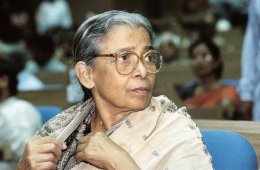
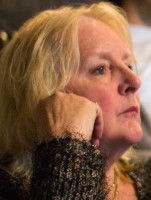 The image of the Goddess as Maiden, Mother, Crone is widespread in contemporary Goddess Spirituality. The Triple Goddess honors three ages of women, in contrast to the wider culture that: affirms young women as sex objects while shaming them as sluts; celebrates mothers on Mother’s Day, while providing few legal and economic protections for mothers; and ignores older women.
 There has been so much hate on display in the world so far in the 21
 Let’s turn off the news for a little while. Let’s set aside our devices and all those pesky social media. Instead, let’s consider one of the best known (and, alas, probably most ignored) teachings of Jesus—the Sermon on the Mount as given in the Gospel of Matthew. I especially like the Beatitudes (verses 3-12):

 Autumn of 1977. The faculty wives have come together in the modest University Heights home of a physics professor. Their Aquanet hair is sprayed to the heavens and at significant risk of igniting from lipstick-stained cigarettes that are resting precariously in the cradle a heavy crystal ashtray. Their business is serious. They are putting together a cookbook. The Faculty Wives Cookbook of 1977, to be precise. It is a noble task. They will cook from it for their young families, for their husbands, that is, the faculty. Even more, they will use each other’s recipes. Martha will cook Mary’s chili; Margaret will lose weight on Donna’s diet cabbage stew. It is an achievement that will be smugly displayed on bookshelves for decades. It will yellow, and the black plastic spiral binding will wear and crack. The Kinko’s heavy card stock cover will be ringed with coffee marks. And, one day, daughters-in-law will decide whether to keep it or to pitch it out.
 Last month, I took a dear friend on a
 History offers few instances of women helping create scripture. Hinduism’s sacred Rigveda may have been partly composed by women, and scholars believe the biblical Book of Ruth was possibly written by a woman, but the evidence for each is wanting. And while Muhammad’s widow was entrusted with the manuscript that would become the Quran, its scribe was a man named Zayd ibn Thabit. The only clear exception to this is the Book of Mormon, which Joseph Smith partially dictated to his wife Emma. The central role of Mormon women in the church was therefore fixed from the start.

