
What I Learned (and Found) Dumpster Diving, Part II, by Grace Yia-Hei Kao

“I had known that dumpster diving is subversive….What I hadn’t considered previously is its arguable feminist and biblical precedents.”


The following is a continuation of a two-part blog. Read part I for what prompted me to go dumpster diving, what freeganism is, and what three things surprised me the most about dumpstering beyond the sad and shocking reality of tremendous waste. 

My Dumpster Dive Haul

After sorting through several trash bags of edible food in the approximately 10 minutes that we spent at one site in my first ever urban scavenging trip, this is what I ultimately brought home.
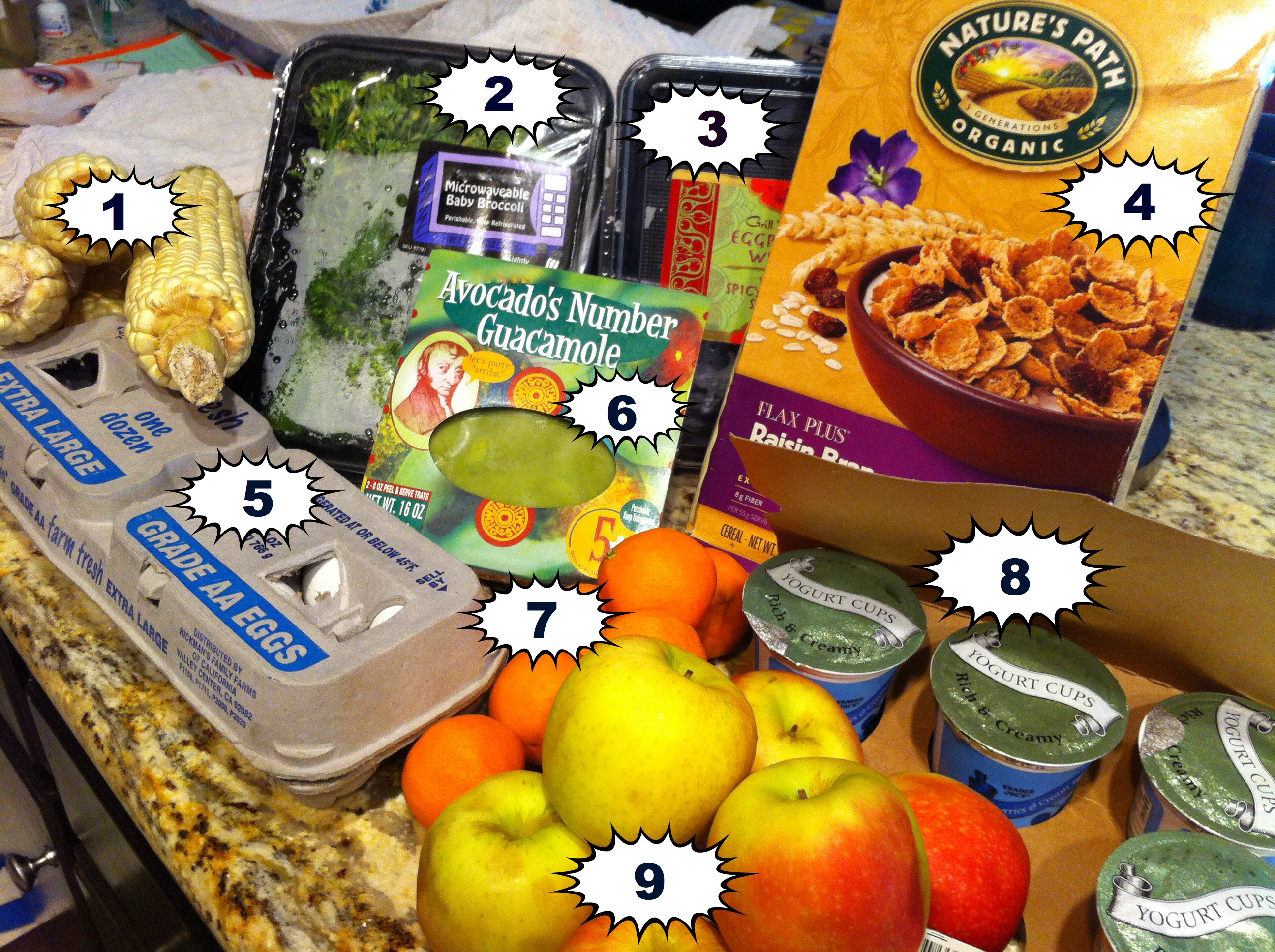
 

(Reminder: As explained in part I, I have intentionally photoshopped out the store’s name and the use-by/best by dates).

Continue reading “What I Learned (and Found) Dumpster Diving, Part II, by Grace Yia-Hei Kao”

What I Learned (and Found) Dumpster Diving, Part I, by Grace Yia-Hei Kao

“I get that consumers generally prefer to buy produce that looks a certain way, but can the routine act of trashing whole bags of clementines, apples, or tomatoes because of a few imperfections be justified in a world that is full of hungry and malnourished people?”


Renowned climate change activist and author Bill McKibben spoke at our graduation earlier this year. Among the charges he gave to all of us in attendance (i.e., not just the graduates) was for us older folks to be willing to bear more of the possible “costs” of political activism. His reasoning was that being a 20-something with an arrest record was not a particularly good thing for young job-seekers today.

I was inspired. I thought to myself, “I have tenure, I work with colleagues who champion prophetic civil disobedience, and my class privilege would allow me to post bail if arrested.”

When chatting with a graduate that afternoon, I told him that I’d like to make good on something we once discussed in class during a session on the ethics of consumption—I’d like to go dumpster diving with him.

Mind you, I don’t fit the stereotypical urban scavenger profile (although middle class dumpster diving is on the rise). I grew up in a gated community, once brought my portable curling iron on a junior high church group camping trip, and today am more bourgeois than Bohemian. So what interest did I have in electively digging through garbage?

Continue reading “What I Learned (and Found) Dumpster Diving, Part I, by Grace Yia-Hei Kao”

Why Should We Care About Birds? By Carol P. Christ

I believe that we should we care about birds because it is right to do so.  If we do not, we will contribute to extinction of species, and we will leave a diminished world to those who come after us. We must not give up hope that we can save the world for birds, for other wildlife, and for our children’s children.

On February 2, 2012, the International Day for Wetlands, the Greek government signed into law a Presidental Directive mandating protection of the small wetlands of the Greek islands.  There is no assurance that this law will be enforced.  There are still no measures in effect to protect most of the larger wetlands in Greece, even though this is required by the European law Natura 2000, which requires all of the countries in the European Union to protect bird and wildlife habitats.

When I became a birdwatcher, I could not have told you what a wetland is.  Now I know that wetlands are fragile bodies of water shallow enough for wading birds from flamingoes to sandpipers to stand in “without getting their bottoms wet” while feeding on shrimp, small fish, frogs, and other watery treats.  Wetlands often take the form of pools near the sea, but they also include the deltas at river mouths and seasonally flooded fields.  In the twentieth century and today many wetlands were designated “swamps” and drained. Continue reading “Why Should We Care About Birds? By Carol P. Christ”