

I fell in love with poetry when I began graduate school for my MFA in creative writing. Looking back at the poems I was reading and writing ten years ago, I can connect the dots among my relationship with poetry, my faith, and my rejection of the patriarchy.
Most poems felt like prayers to me back then; they still do. I often say the word “poem” when I mean to say “prayer” and “prayer” when I’m trying to say “poem.” Half the time I don’t even notice that I’ve misspoken because the words and what they represent are so tightly woven together. If I don’t sense much of a personal connection to the themes of a poem I’m reading, I view it as I view a psalm that doesn’t feel especially resonant at the moment–I know that somewhere someone will feel seen and known by the words, and I am in some sense reading on their behalf, as I hope that on my harder days, people are reading and praying on mine. I trust the collective, the mystery, the power of words to connect souls and minds across time and space.
Putting myself in the way of poetry became a spiritual practice while I was struggling to find my place in the conservative evangelical denomination my husband and I had been members of for almost 20 years. We had engaged in conversations about women in the church, racial healing, mercy and justice—topics that we viewed as intimately connected to what it means to be a Christian in our everyday lives. We pushed for change. We led small groups without shying away from difficult conversations. We brought in speakers and coordinated film nights. We tried so hard to make our local church something it wasn’t–something it would never be.
After the 2016 election, I began to pull away from the church that had been our community for the whole of our adult lives. I snuck off to worship at my neighborhood Episcopal church and received comfort from the liturgy, the rituals. And I sank further into poems by women who affirmed femaleness as fully human and not as less than maleness. And what I received–from Audre Lord, Ada Limón, Marie Howe, Ellen Bass, Ashley M. Jones, Joy Harjo–was a sense of belonging and expressions of faith that felt good and holy. I found healing from years of my voice being dismissed by the all-male leadership of my church. I was granted permission to move deeper into contemplative spirituality and hold firmer to my belief that God is always present in all things. I found freedom and relief even in the loneliness of leaving my faith community. (I did eventually realize that evangelical Christianity had taught me to read Scripture carefully—a habit that came in handy as I took up reading poems.)
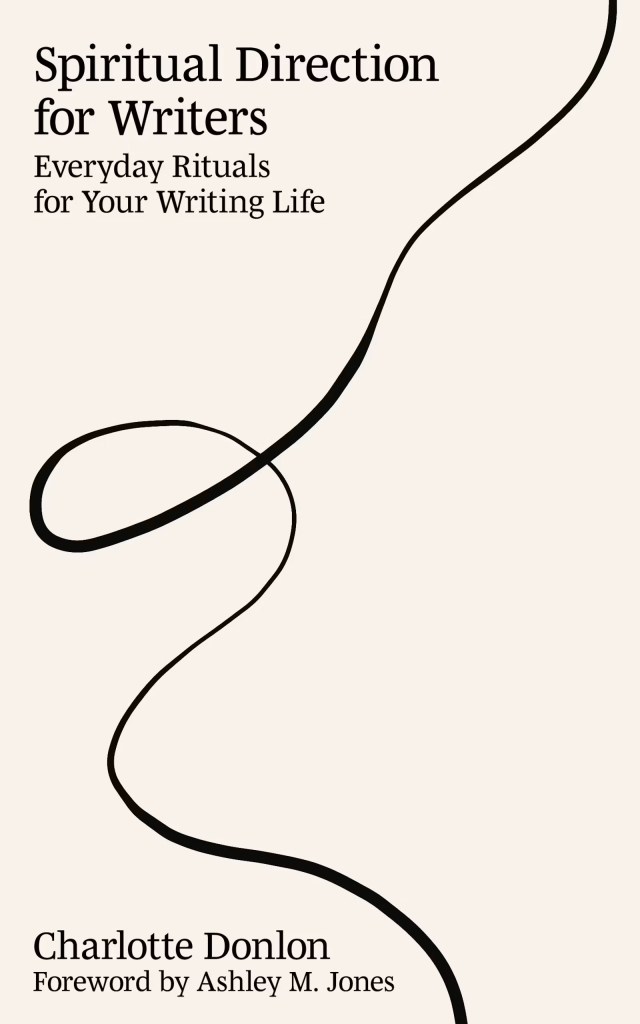
Here’s more of what I’ve discovered about poetry, excerpted from my forthcoming book, Spiritual Direction for Writers: Everyday Rituals for Your Writing Life:
Even for those of us who are principally writers of prose, poetry can be a key part of a nourishing life and writing practice. Poetry expands creativity, faith, and the ability to inhabit this world. By providing words, images, metaphors, empty space, truncated lines, and pauses of all kinds, poems are bells that ring true for our inner worlds and reverberate throughout our experiences in more external realms. Favorite poems make it easier to face whatever any day may bring. In many ways that are full of mystery and unknowable, poetry helps us feel more like humans who deserve to be our full selves in a world that often obsesses over who’s in and who’s out.
And this:
Whether through close readings of a single poem, writing our own verses, or simply memorizing and carrying beloved lines in our hearts, poetry creates space for all parts of our experience—the sacred and profane, the certain and mysterious. Belonging through poetry doesn’t require us to be poets ourselves; it asks only that we remain open to how poems might help us feel more fully human, more deeply connected to ourselves and others, more at home in the world.
May we read more poems. May we receive healing and belonging from the words that companion us and help us discern what’s unfolding in the deeper parts of our hearts, minds, and souls.
The book, Spiritual Direction for Writers can be purchased here.
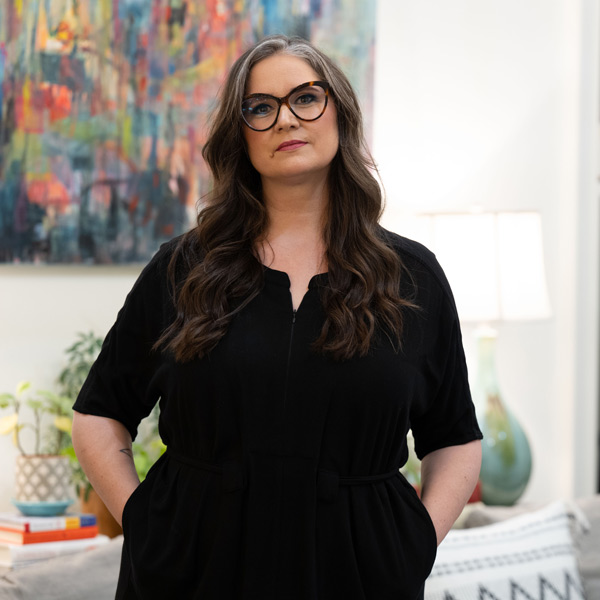
BIO: Charlotte Donlon is a writer and spiritual director whose work centers on helping people explore themes of belonging through art and faith. Her essays have been featured in publications such as The Washington Post, The Christian Century, Image, and The Millions, among others. She lives in Birmingham, Alabama.
Discover more from Feminism and Religion
Subscribe to get the latest posts sent to your email.

