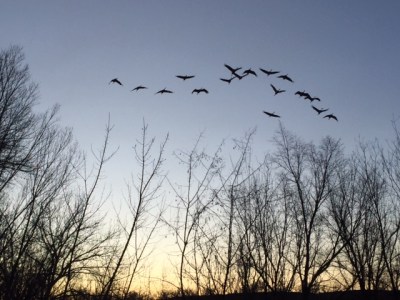
I live just down the road from one of our many lakes and ponds here in western Maine. Almost every morning I hear the haunting call of the loons as they fly over the house. Although I cherish the symphony I have never figured out why some of these birds making this early morning flight from one lake to another. I have never seen any research that supports my experience – but obviously, for unknown reasons some loons move routinely from pond to pond. Why remains a mystery.
I used to have a woodsman friend who once commented that he didn’t understand why everyone loved loons so much because they were fierce predators who speared their hapless fish, duck, or goslings to death before devouring them. At the time I found Don’s statement ironic (and irritating!) because this man was an excellent brook trout fisherman and deer hunter. In his defense I must add that I had to acknowledge that he also loved all animals; after deer hunting season ended he fed his deer all winter.
Continue reading “Patriarchy – For Love of Predators by Sara Wright”