

 It was a humid yet windy day in Broward County, South Florida. My long pants and sleeves were becoming hostile towards me as I proceeded to slip off my shoes, don my borrowed headscarf, and set up shop just outside the modest mosque in Pembroke Pines. I waited patiently for prayers to end, hoping that my “Register to Vote” sign was placed in optimal eyesight of the female worshippers as they exited the prayer hall. All of my hope to expand the Florida electorate to help re-elect President Barack Obama was bundled in my mix of clipboards, voter registration forms, pens, and volunteer sign-up sheets. Just moments after the Imam wrapped up the Friday afternoon prayers, two young women wearing full hijab sauntered out. “Oh, I’ve been meaning to register to vote,” one of them said. “Perfect.” Continue reading “Blessed Are The Organized, by Amy Levin”
Category: Race and Ethnicity
Being Renewed at the Hispanic Theological Initiative by Xochitl Alvizo

Feminist theologians have long affirmed the fact that who we are and where we stand, as human communities and as individuals, affects what we see and how we see it, and in turn affects the theology we produce.
Sometimes I think I am being birthed to myself over and over again. That somehow in the process and action of living I become fragmented and compartmentalized into disparate pieces without even knowing it. Then comes that moment when one of the pieces comes back to full view and realization, and I feel the unexpected and overwhelming joy of being birthed anew all over again – and it is a beautiful thing. This is what happened to me recently as I participated in the summer dissertation workshop of the Hispanic Theological Initiative. The Latina part of me came back to full view and was integrated into the whole.
The Hispanic Theological Initiative, or HTI, is a project that exists to nurture and support Ph.D. Latina and Latino students (‘Latino/a’, as is now commonly said) through their doctoral program. As HTI scholars these students are assigned a senior Latino/a scholar as a mentor, are provided with networking funds to support their professional development, are assigned a dissertation editor, and attend the annual gathering to participate in a variety of workshops, lectures, and seminars. This past June I was able to participate in their summer dissertation workshop. It was a one-time opportunity for me, but getting the chance to participate even for just those three days was an amazing gift. The gift came in the form of a journey back to myself that included the overcoming of fears along the way. Continue reading “Being Renewed at the Hispanic Theological Initiative by Xochitl Alvizo”
Living Liminality: Of Thresholds and Dwelling Places by Marcia W. Mount Shoop
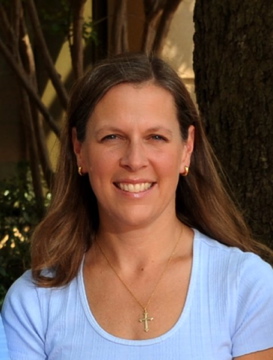 Sometimes I think it happened gradually. Other times it feels like sudden change. Either way I find myself in an in-between space that is my life.
With apologies to Victor Turner and his cultural anthropological appropriation of liminality as a threshold space, I have come to view my liminal living as a more permanent dwelling place these days. Turner’s category of liminality locates subjects in the betwixt and between as they move from one manifestation of identity in community to a new kind of integration or role in community. I am starting to wonder, however, if the thresholds are actually dwelling places for some of us in this world.
I don’t know if that means I am actually more marginal than I am liminal. The margins are margins because they remain on the outskirts and they help define the boundaries. Margins are permanent. Am I marginalized if I live at the edges of the communities and identities I use to occupy, perhaps never to return to the bosom of the center? I hesitate to make such a claim mostly because I still occupy privileged spaces not the least of which are those constructed from how whiteness grants access and authority in this world. Continue reading “Living Liminality: Of Thresholds and Dwelling Places by Marcia W. Mount Shoop”
Why Men (and Women) Can’t Have It All by John Erickson
Can women have it all? Possibly. Can men ever have it all? Maybe. Regardless of however we put it, the are ills to every good deed in the world and we need to get back to understanding how and why we use each other in order to fully understand that behind every good man might be a good woman but also behind every good women there might also be a good man.
 Growing up, my favorite movie was The Associate staring Whoopi Goldberg as a woman at a Wall Street firm attempting to climb her way up the corporate ladder through hard work and dedication. Her character Laurel Ayres does all the work and comes up with the ideas that clients eventually invest in, her partner Frank takes all the credit and eventually surpasses her at work by getting the promotion she had been vying for. In a prodigious scene that I still vividly remember from my childhood, Laurel quits her job and starts an investment firm on her own; betting every cent and piece of property she has on the eventual success of her new business adventure.
In an attempt to break through the proverbial glass ceiling and play with the big boys of Wall Street, Laurel eventually discovers that although she can be (and is) the genius behind many of the great ideas that would save companies millions, she still needs to have her ideas expelled by a man she creates in order to win over clients, which eventually leads her to become successful. However, while Laurel is reaping in the benefits of having Mr. Cutty, her made up business partner, by her side, she eventually learns that no matter what she does she will always be secondary to her male business partner. Continue reading “Why Men (and Women) Can’t Have It All by John Erickson”
A Cross-Cultural Feminist Alchemy: Studying Mago, Pan-East Asian Great Goddess, Using Mary Daly’s Radical Feminism as Springboard by Helen Hye-Sook Hwang

Feminist theology was self-transcending to me. I was unafraid of going beyond the boundary of Christianity and its God.
Mago is the Great Goddess of East Asia and in particular Korea. Reconstructing Magoism, the cultural and historical context of East Asia that venerated Mago as the supreme divine, is both the means and the end. Magoism demonstrates the derivative nature of East Asian religions such as Daoism, Buddhism, and Confucianism while redefining East Asian Shamanism to be the religious expression of Magoism.
I encountered the topic of Mago during my doctoral studies. The topic of Mago fell out of nowhere at the time I was preparing for qualifying examinations. I had never heard the name, Mago. Only when I was able to collect a large amount of primary sources from Korea, China, and Japan, was I awakened to the cultural memory of Mago. I grew up craving the stories of Halmi (Grandmother/Great Mother), a common referral to Mago among Koreans. I had a childhood experience of being in the fairy land unfolded by my grandmother’s old stories. While “Mago” was unfamiliar to most Koreans, she was taken for granted in her many other names such as Samsin (the Triad Deity) and Nogo (Old Goddess) and place-names such as Nogo-san (Old Goddess Mountain) and Nogo-dang (Old Goddess Shrine). Continue reading “A Cross-Cultural Feminist Alchemy: Studying Mago, Pan-East Asian Great Goddess, Using Mary Daly’s Radical Feminism as Springboard by Helen Hye-Sook Hwang”
Government “Apologies” for Historical Injustices: Why They Matter
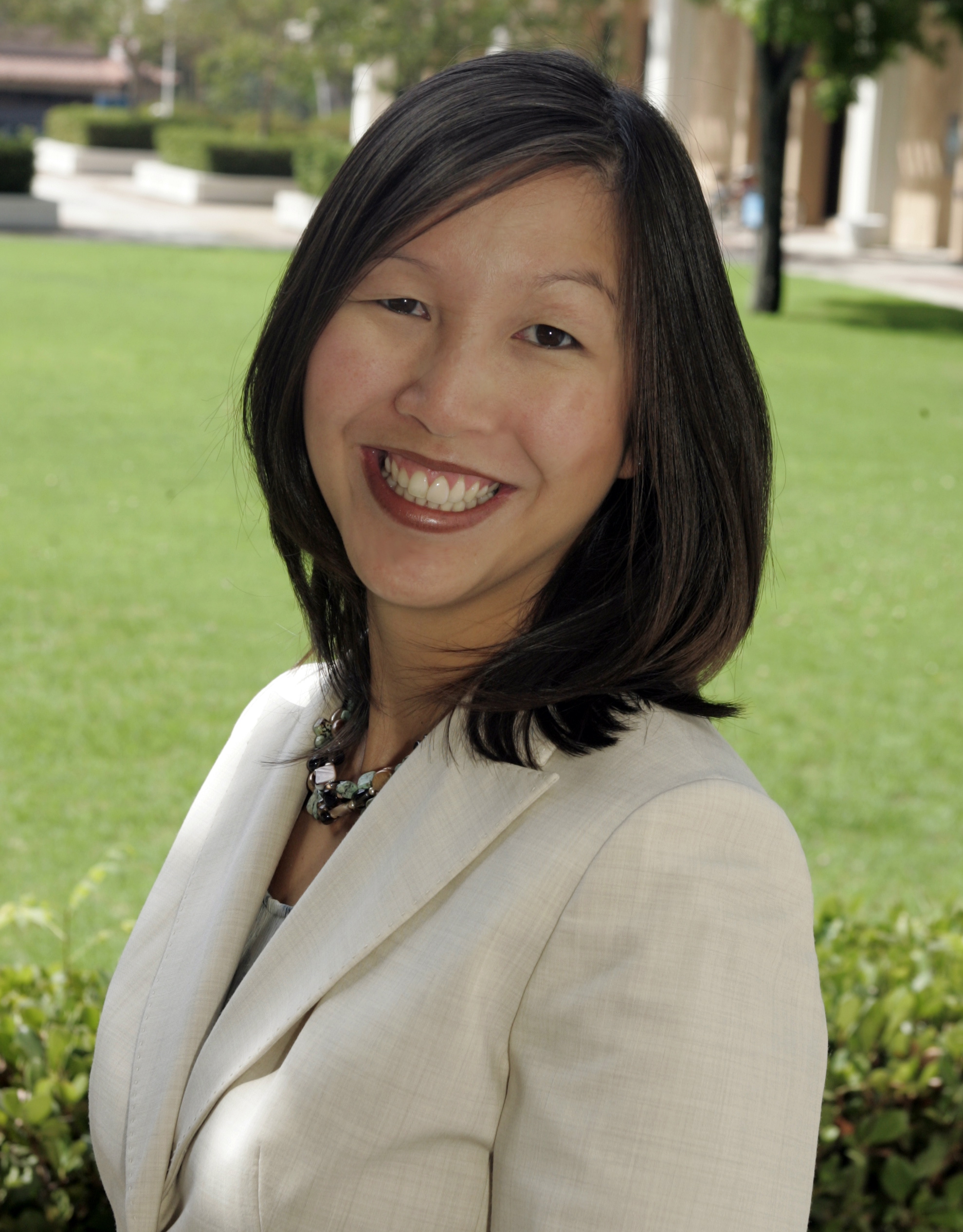
“I rejoice in this most recent admission of institutional racism. I am not naïve enough to believe that this public acknowledgment, like previous ones to other racial-ethnic groups, was untainted by political calculations. But I am also not Kantian (so I reject the view that anything done out of mixed motives accordingly lacks moral merit).”
Continue reading “Government “Apologies” for Historical Injustices: Why They Matter”
Hoy, Canto de Mujer Que Se Libera – Un Canto de Ada María Isasi-Díaz, By Michele Stopera Freyhauf
 “Yo soy mujer en busca de igualdad, no aguantar abuso ni maldad. Yo soy mujer y tengo dignidad, y pronto la justicia serd una realidad. Mujer, tù eres mujer, porque supiste ver, la realidad de tu poder. Hoy canto al Dios del Pueblo en mi guitarra, un canto de mujer que se libera” – From “Mujeristas: A Name of Our Own!” – Ada María Isasi-Díaz [i]
Translation: I am woman searching for equality; I will not put up with abuse and wickedness. I am a woman and I have dignity, and justice will soon be a reality. Woman, you are woman, because you have known how to recognize the fact that you are powerful. Today I sing to the God of my people with my guitar, I sing a song of a woman who liberates herself.
Labels, names, and categories can evoke prejudice and oppression. Ada Maria Isasi-Díaz, the founder of Mujerista Theology, wrote:
To be able to name oneself is one of the most powerful abilities a person can have. A name is not just a word by which one is identified. A name provides the conceptual framework and the mental constructs that are used in thinking, understanding and relating to a person. [ii]
These words relate to U. S. Hispanic women, who, according to Isasi-Díaz, struggle against ethnic prejudice, sexism, and in many cases classism [and who] have been at a loss as to what they should be called.[iii] In finding that common name, lyrics from three different songs inspired Isasi-Díaz who developed the term “Mujerista Theology,” replacing Hispanic women’s liberation theology:
“Yo soy mujer en busca de igualdad, no aguantar abuso ni maldad. Yo soy mujer y tengo dignidad, y pronto la justicia serd una realidad. Mujer, tù eres mujer, porque supiste ver, la realidad de tu poder. Hoy canto al Dios del Pueblo en mi guitarra, un canto de mujer que se libera” [iv]
For Isasi-Díaz, mujerista unifies Hispanic women and embodies strength. Mujeristas are those:
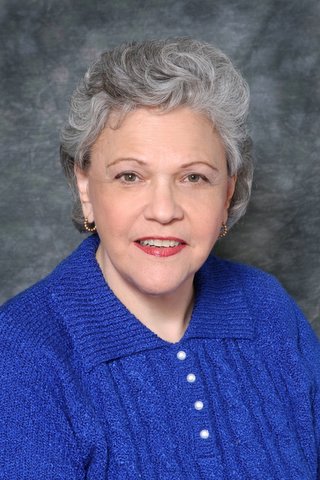
Picture From Drew University’s website
- Who desire a society and a world where there is no oppression.
- Who struggle for a society in which differences and diversity are valued.
- Who know that our world has limits and that we have to live simply so others can simply live.
- Who understand that material richness is not a limitless right but it carries a “social mortgage” that we have to pay to the poor of the world.
- Who savor the struggle for justice, which, after all, is one of the main reasons for living.
- Who try no matter what to know, maintain, and promote our Latina culture.
- Who know that a “glorified” self-abnegation is many times the source of our oppression.
- Who know women are made in the image of God and, as such, value ourselves.
- Who know we are called to birth new women and men, a strong Latino people.
- Who recognize that we have to be source of hope and of a reconciling love.
- Who love ourselves so we can love God and our neighbor.[v]
For Isasi-Díaz, Mujerista Theology is defined as:
“a process of enablement for Latina Women, insisting on the development of a strong sense of moral agency, and clarifying the importance and value of who they are, what they think, and what they do….mujerista theology [also] seems to impact mainline theologies, the theologies which support what is normative in church, and, to a large degree, in society.”[vi]
Celebrating Asian American and Pacific Islander Heritage Month by Grace Yia-Hei Kao
 “Did you know that…the Asian population grew faster than any other race group in the United States between 2000 and 2010…[and that] Chinese is the second most widely spoken non-English language in the country (behind Spanish)”?
The Boldness of Grace Ji-Sun Kim by Grace Yia-Hei Kao
 “The Grace of Sophia is an openly ‘syncretistic’ work.”
Continue reading “The Boldness of Grace Ji-Sun Kim by Grace Yia-Hei Kao”
The Power of Feminist Rituals by Grace Yia-Hei Kao
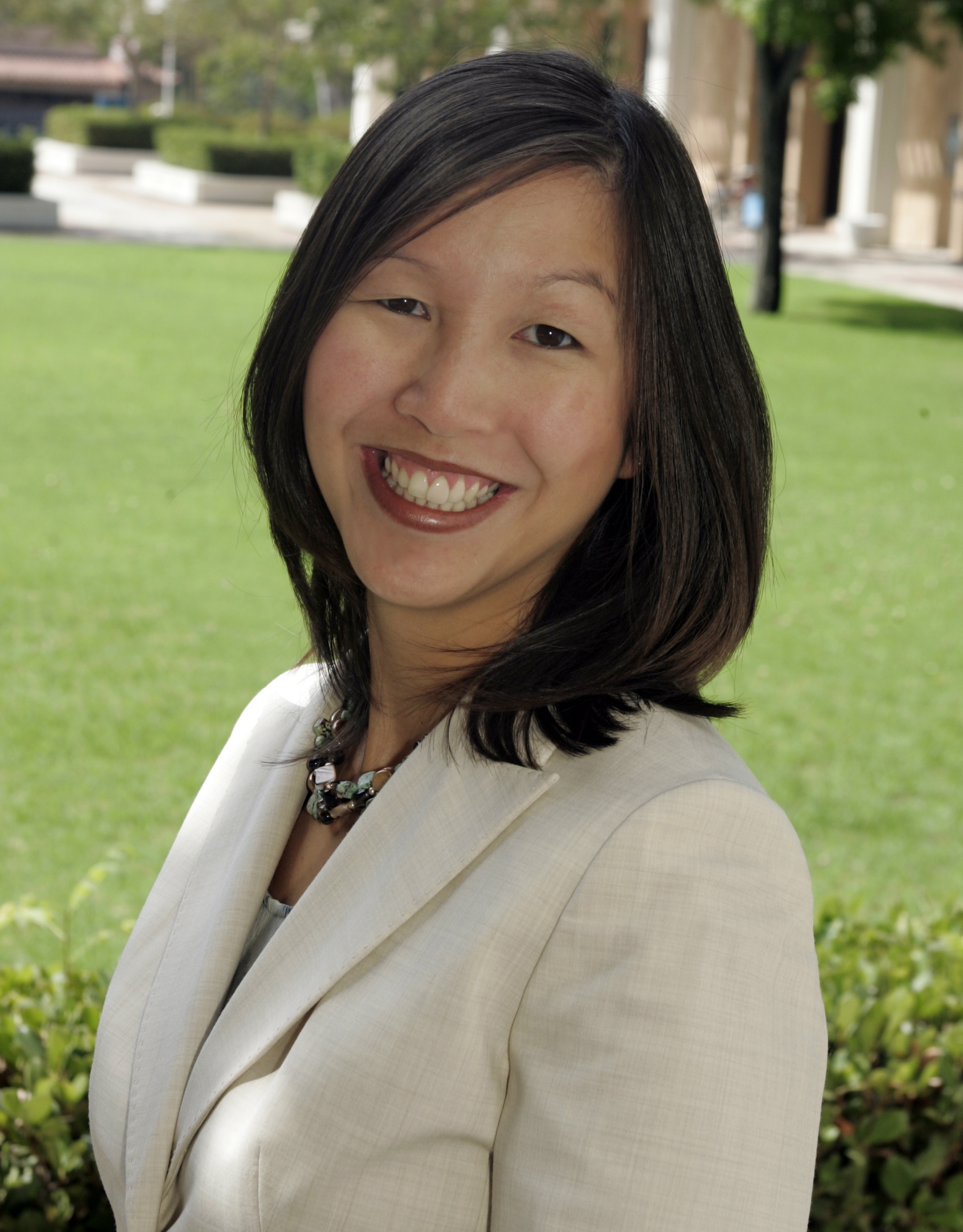 “These were very simple rituals and yet they were so powerful.”
Jeanette Stokes’ 25 Years in the Garden is on my bedside table. It’s a book I read several years ago with a small group of feminist Christians when I was living in Blacksburg, Virginia. The following passage from one of her essays got me to thinking back to the 2012 PANAAWTM conference (Pacific, Asian, and North American Asian Women in Theology and Ministry) I had attended just two weeks ago:
“Rituals are part of everyday lives: reading the newspaper, checking the weather, waiting for the mail to come, or talking with a family member at the end of the day. Rituals can also mark the extraordinary events in our lives: the birth of a child, the death of a loved one, a birthday, marriage, anniversary, or divorce” (Stokes, 2002, p. 37).
Continue reading “The Power of Feminist Rituals by Grace Yia-Hei Kao”
 Feminism and Religion