Author’s Note: I write this in honor and celebration of my sister, Jeannie, who is turning 80 today, this third day of September, 2022. My thanks to the editors of FAR for letting me post this on her day.
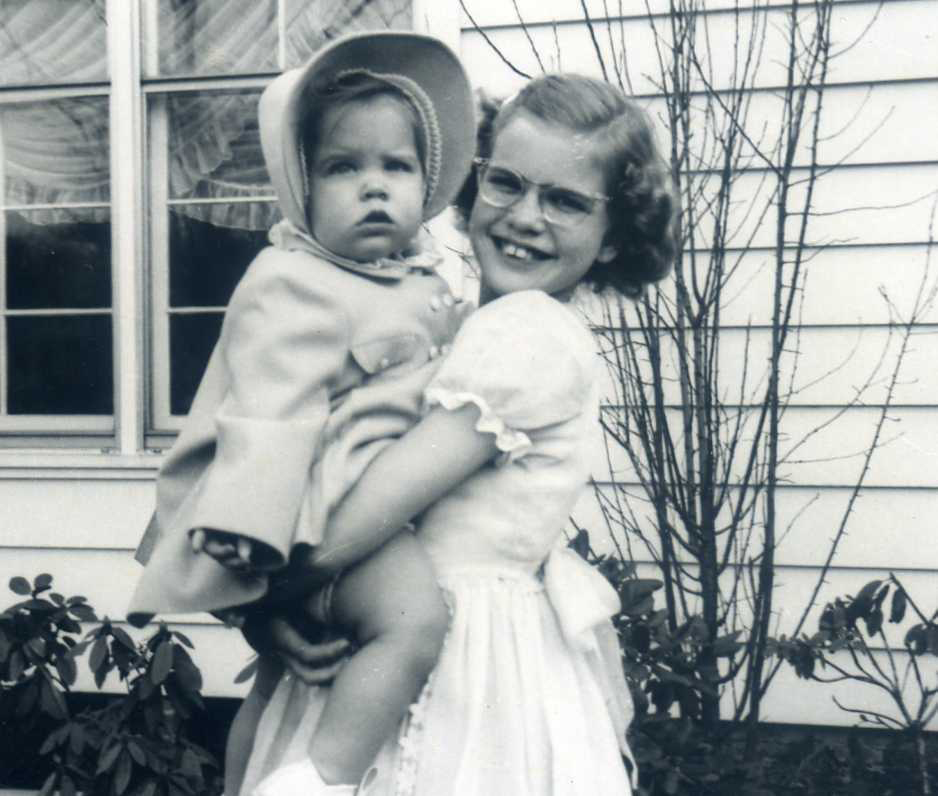
I was born into sisterhood. My sister, Jeannie, who is ten years older than I am, loves to tell the story of how, in the days before prenatal testing, she told her 4th grade teacher that she was going to have a sister. She already had two brothers, and was convinced that the baby our mother was carrying – me – would be a girl. She welcomed my presence on this earth even before I was born. Jeannie has shown me the best of sisterhood – affirming and supporting me in all of my endeavors, giving me a trusted confidante with whom I could share the truths of my life, showing up when I have needed her emotional and physical care and support, celebrating the moments of triumph and joy, and understanding me in a way that few have. So, when I came into feminism in my twenties, I was deeply drawn to the feminist ideal of sisterhood.
I first found nascent notions of the feminist concept of sisterhood when studying early nineteenth century feminists. For Sarah Grimké[i], who closed each of her “Letters on the Equality of the Sexes” with, “Thine in the bonds of sisterhood,” those bonds were primarily of shared oppression. She regarded men’s oppression of women to be universal, knowing no boundaries of race, class, or culture, and wrote at length of the oppressed condition of women in the U.S., Asia, Africa, and Europe. In her abolitionist work she condemned the sexual, physical, and emotional abuse of enslaved females and called on white women to act in solidarity with their enslaved sisters, and refuse their complicity in such abuse.
Continue reading “Sisterhood by Elizabeth Ann Bartlett”