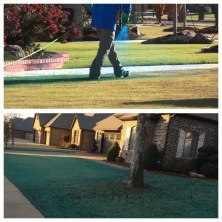
 If Gaia is a living body, why are we painting her blue? Whether it is public parks or residential lawns, when there is that special odor in the air, I know to look down and there it is, an endless dye job on the grass indicating treatment. My city is concrete and blue dye for miles. Furthermore, I have sales people knocking at my door monthly asking if I want to spray pesticide around the house to decimate wasps, ants and spiders.
Many religious texts encourage us to mindfully consider the earth. The Jain Acaranga sutra, for instance, says, “a wise [person] should not act sinfully toward plants” (I.1.5.7). One way we sin against the earth so casually is by these mindless manipulations of our lawns, if we have them. (Technically, I do not have a lawn, but my roommate does, and I try to protect it). I do not think most people think about researching what they allow into the earth. Continue reading “The Blue No Gaia Wants: Protecting the Sacred through our Lawns by Elisabeth Schilling”
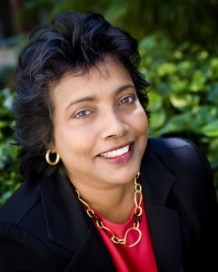 Parvati is a gentle mother goddess. But as Kali, she also wields enormous power. The daughter of Himavan, the king of the Himalayas, consort of Lord Shiva, and mother of Ganesha, the Elephant-Headed Lord, Parvati is the embodiment of all the energy in the universe. Her seat is on a lion or a tiger. In the words of a hymn to this goddess, she is “the auspiciousness of all that is auspicious.”
 Last month, I attended a series of workshops on self-care, family dynamics, and recovery from complex trauma. In one session, someone asked the facilitator, a counselor with over 30 years of experience in mental health fields, how to balance faith, confidence, and belief in recovery with the reality that sometimes healing can be a rocky road, with missteps, false starts, and restarts. The counselor noted that one of the key concepts he’s reinforced in working with people on their recoveries is that to keep moving forward – to forgive ourselves when we make mistakes, to not give up on ourselves when old patterns resurface, to sustain the energy needed to continue The Work in the face of obstacles, doubt, and fear – we need to be able to hold two truths at once. We need to expand ourselves such that we can hold two realities – that our hope in ourselves is not misplaced, that we are strong and can overcome adversity, and that we can move through our lives with grace and skill; and also that we may slip up and fall short of our ideals, that we sometimes may feel fragile and overwhelmed, and that recovery (from trauma, grief, substance abuse, or illness) may include steps backward intermixed with the forward movement.
 PART II

 Recently at a discussion of Goddess and God in the World, Judith Plaskow and I were asked if the dialogue across religious difference we embody and advocate in our book is a “liberal thing.” Can it, the questioner wondered, occur with those who do not have a liberal view of religion and religious meaning?
 e of months ago I did a day trip to visit the historical site of one of the 10 internment camps which were formed due to Executive Order 9066 issued on February 19, 1942.
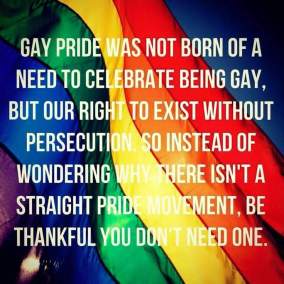
 Welcome to the resistance, Feminism and Religion family. This month is Gay Pride Month in many cities, including mine—Long Beach, California—where we just celebrated our 34th