

 Even though snakes never inhabited Ireland, as in the rest of the ancient world both the serpent and the dragon were ancient symbols of life, fertility, wisdom and immortality for the Celts. Ancient Celtic ornamental work is entwined with serpents and dragons. The Celtic Knot can be seen as a never-ending serpent. A large stone with a carved serpent is found at the sacred cairn sites of Knowth. The megalithic structure of Brug na Bóinne (Newgrange) has multiple serpent-like spirals on the entrance stone.
 In Scotland there is the earthen serpent at Glen Feochan, Loch Nell. The Pictish Aberlemno Serpent Stone is engraved with a serpent and other symbols. The torque collar, a symbol of kingship and status was created in the form of a hybrid horned dragon/snake. The serpent was connected to healing pools and springs and the Druids believed the serpent had healing powers together with a certain type of egg shaped stone called a “serpent’s egg.” Continue reading “Corra, Celtic Serpent Goddess by Judith Shaw”
 Spring is here in the northern hemisphere and with it the return of light in the yearly round of seasons.
 Many neopagans and modern Goddess worshipers mistakenly equate the triadic nature of some Celtic Goddesses with the Triple Goddess concept first popularized by Robert Graves in his book, The White Goddess. Graves stated that Goddesses were frequently found in triplets as Maiden, Mother and Crone. But there is nothing found in the ancient stories of Celtic Goddesses to indicate that they were known as Maiden, Mother and Crone.
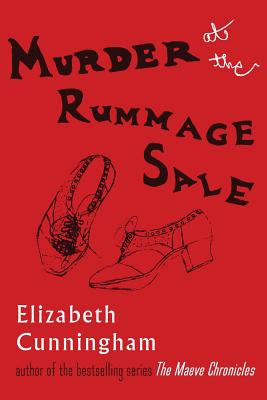 takes place over a few days in the life of the Church of the Regeneration as the women prepare for their annual rummage sale. Charlotte Crowley, an over bearing kleptomaniac who wraps men around her little finger while antagonizing most of the women, has always led the effort. But with only a few days to go before the sale begins, Charlotte is found dead in the basement, smothered by a plastic dry cleaning bag full of coats.
 Mor is an ancient Celtic Goddess of the Sea and the Sun, bringing to mind the shining days of summer and the abundance of the harvest. Yet in a typical Celtic paradox in which opposites exist as one whole she is also a Dark Goddess of Death and Rebirth.


