


This post is dedicated to Carol P. Christ. I knew her first as my professor and then my friend for over 15 years. May her memory be a blessing.
This week’s Torah portion is Shofetim (also spelled Shoftim), or Deutoronomy 16:18-21:9. I have written about this parshah before. In that post from August of 2018, I reflect on how the patriarchal elements of the portion should not detract from its larger concern for justice, compassion, and peace. Yet, there is more to the parshah. In fact, I have recently begun exploring Judaism’s connection to all things magical, and interestingly enough, this parshah fits right into my recent inquiries. Let me share with you some of what I have learned as it relates to this parshah.
Where Shofetim and magic meet is idolatry. There are three instances in Shofetim where idolatry is condemned, punished by stoning to death. All three of these prohibitions involve polytheism, either directly worshiping other deities or participating in practices associated with the worship of those deities. What are they?
Continue reading “Shofetim: The Divine Feminine, Magic, and the Role of Gender by Ivy Helman.”

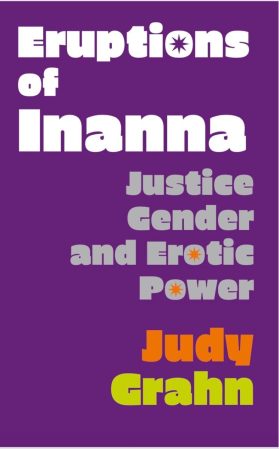



 Today a couple of friends and I were discussing egalitarian matriarchal values. I stated that in these societies there is no great difference in male and female personalities because both males and females are expected to be as kind and loving and generous as their own mothers. “Oh no I would not want that,” the other woman responded. “I want my man to be masculine–not wishy washy or namby pamby.” This woman soon acknowledged that she did not want her man to be dominant or aggressive. Yet her first reaction was to reject the idea that men might do well to emulate the values of their mothers.
 Feminism and Religion