

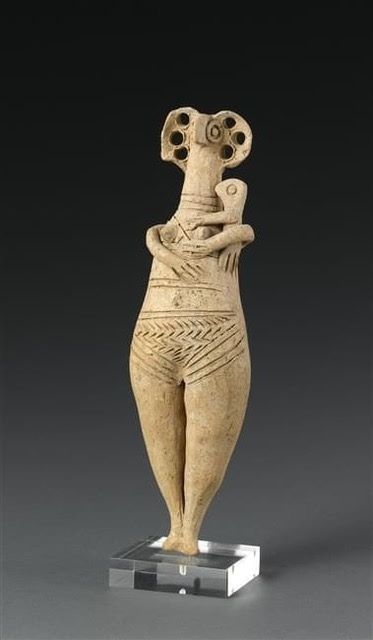
Bird migration has peaked. I am hearing less mating songs as the birds who are staying nest around the house, although in the deep forests the warblers’ poignant songs are still tearing my heart out. The two phoebes who nest above my door are busy preparing home. Just yesterday I found the most beautiful goddess image, one that I have not seen before, a Lebanese goddess figure dated 16-1400 BCE that seemed to embody the birthing and nurturing aspect of the goddess, women and birds…
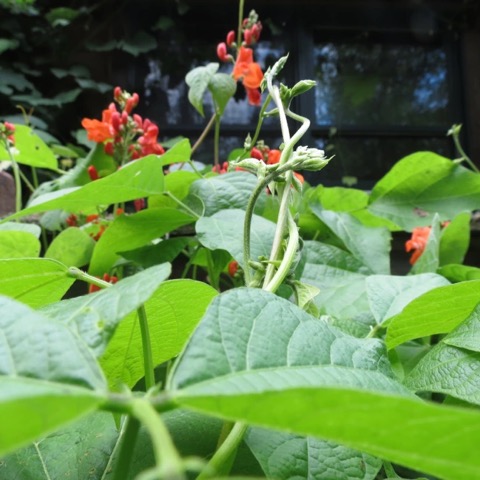
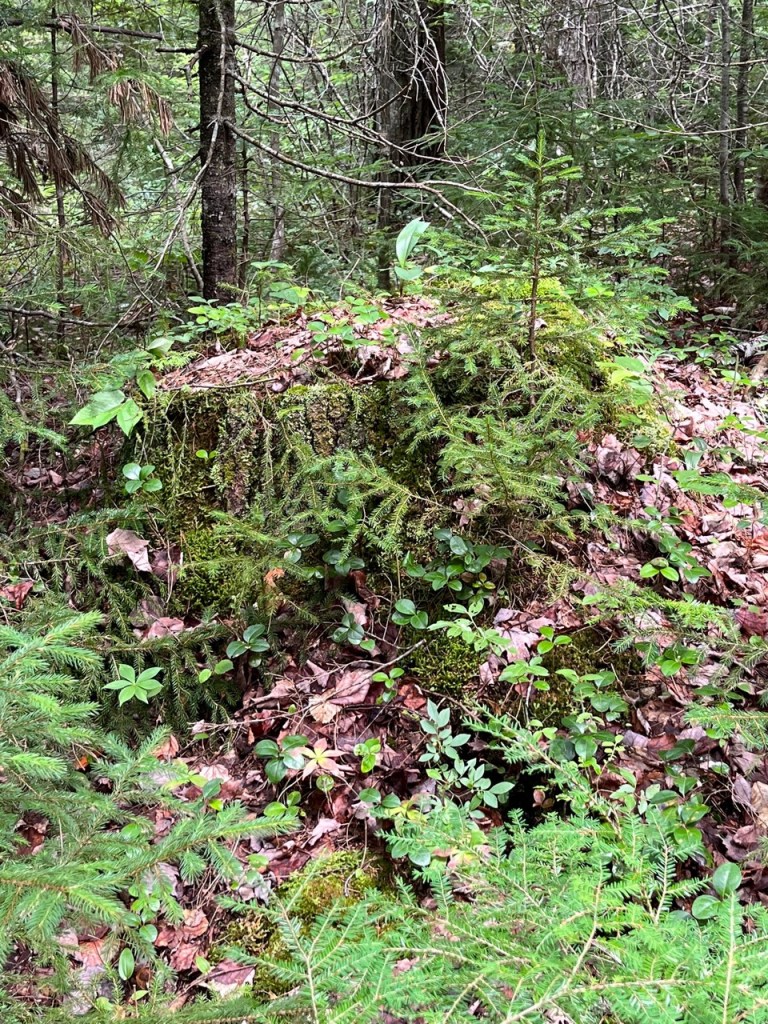
Now I turn to wildflowers. I have finished transplanting more wild violets, lily of the valley and some pulmonaria and my rain barrels are already dry. The drought has begun. Because I no longer garden during the summer months, I am especially attached to all the wildflowers that cover the ground around my house popping up day after day. I want to be everywhere at once!
Continue reading “Visions of the Goddess and Woodland Earth Stars by Sara Wright”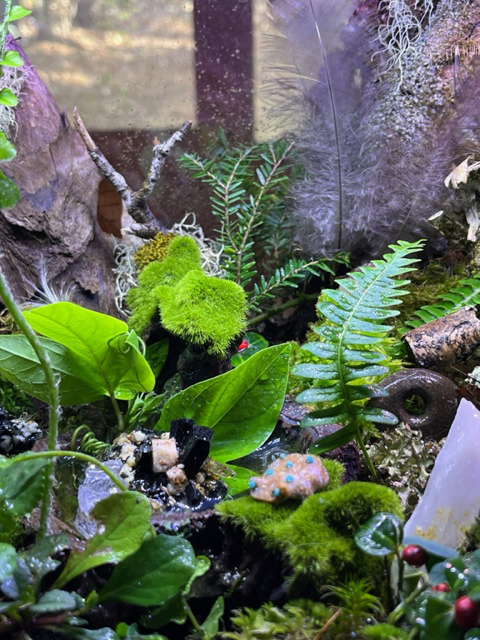

 Very early in Henri Bosco’s 1948 novel Malicroix, a young man, Martial de Mégremut, living placidly amid fruitful orchards in a tame Provençal village, receives a letter informing him he has inherited “some marshland, a few livestock, a ramshackle house” from a reclusive great-uncle, Cornélius de Malicroix. Against his family’s strenuous objections–with alarm they speak of “marshes, mosquitoes, miasmas”–Mégremut resolves to travel alone to the remote Camargue to claim his “wild” Malicroix inheritance. The house is on an island, and to reach it Mégremut must cross a rough river, at night, in a frail wooden boat piloted by a taciturn old man who meets him at dusk in the middle of a vast plain.
