

For many feminists, exp erience is crucial. Experience has long been associated with feminist epistemological theories which suggest that reflection on and analysis of one’s experiences offer crucial insight into society. In the history of the women’s movement, this insight and analysis has many times translated into direct action to change the way our society functions.
Experience too has been problematized by various postmodern and postcolonial feminist theorists. They rightly point to the situated-ness of all experiences along class, race, gender, ethnic, religious and other lines. (For more on these ideas, one could read Postcolonialism, Feminism & Religious Discourse edited by Laura E. Donaldson and Kwok Pui-lan.) The context of each and every experience is different. It would be unwise therefore to assume that experiences produce adequate knowledge about societies and how they function. For example, the experience of white middle-class British women living in India during the British occupation is very different from her indigenous contemporary and completely different from lower caste men and women of the same time period. It is important to remember here that patriarchal privilege rears its head and favors some people’s experiences over others, often codifying an experience as “the experience.” When we talk about experience then we should acknowledge that there is no such thing as a generic experience. In fact, some post-modernist feminist thinkers think that situated-ness can color experience so much that our experiences may not even be reliable descriptions of the way society functions. Continue reading “My Experience of Community by Ivy Helman”


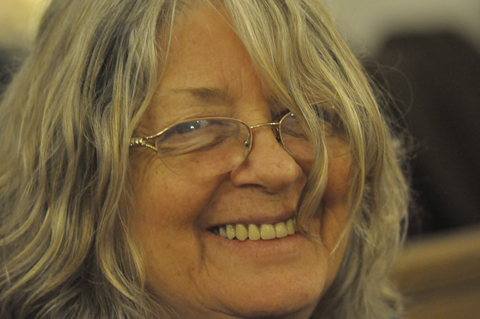

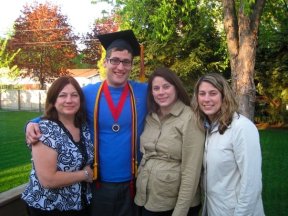 The first question I always get asked when I’m in feminist spaces is: “What inspired you to become a feminist?” Although I could go into the various histories revolving around men’s involvement in the early stages of the women’s movement to the similarities between the LGBTQ and women’s movements, my simple answer has always relied on one person: my mother.
