The accusations made by over seventy women against entertainment mogul Harvey Weinstein carved out a safe space for other women to come forward with their stories of sexual harassment, abuse and assault against Hollywood elites, namely big name actors who thought their fame translated to consent by unwilling women.
The latest allegations accuse Alabama senate candidate Roy Moore of sexual misconduct against a then fourteen-year-old year old girl in 1979 when he was thirty-two-years old. This week, fifty Alabama pastors signed a letter of endorsement for Moore, citing his unwavering biblical commitment to marriage between one woman and one man and anti-reproductive rights for women—all couched within the troupe of “religious freedom.”
For me, the Ray Moore scandal is especially noteworthy due to its theological underpinnings. How is it 37% of Alabama Evangelicals are more likely to vote for Moore since his sexual misconduct surfaced despite growing condemnation from their own Republican party? In his support for Moore, Jerry Falwell, Jr. states:
It comes down to a question of who is more credible in the eyes of the voters—the candidate or the accuser, and I believe the judge is telling the truth.


 I climbed trees and rode my bike and roller skated on sidewalks for hours on end when I was a child. As an adult, I have always been physically strong without having to work at it. Nor have I had to think much about my health. I have been able to trust my body to do pretty much everything I wanted it to do. I am also fiercely independent. And I don’t always like to be touched because my body is extremely sensitive to other people’s energies.
 Two weeks ago, I spoke at a conference entitled “The Role of Academia and Religious Leaders in Relation to Refugees and the ‘Refugee Crisis,’” in Bratislava, Slovakia. One of the main questions of the conference was: what role do academics play in the refugee crisis? Are academics activists? Many conference presenters and attendees directly linked the two ideas. However, there were some who voiced their concern as to how in-touch academics actually are with reality and surmised that because of this academics probably weren’t activists. Wait! What? How can we not be activists?

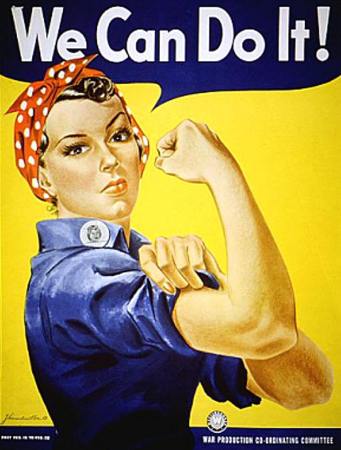 Betty Friedan interviewed the unhappy housewives, their human potential unfulfilled by a lack of vocation outside the home. I wonder if her claim was just a premise of the lawn being more manicured on the other side. The book received criticism by reviewers asking who was really oppressed and what perspectives were ignored. I’ve been on a few lawns, and I am here to confirm there is no true green grass anywhere. Mostly it’s either covered with the blood of women who die in the Global South because of the poor working conditions that pay them too little to support their families or laced with pesticides for profit or sheets of concrete to the dismay of our feet. I suppose there might green grass somewhere, but it costs more than some of us can afford, meaning a woman would have to earn more than what is only enough to rent a room in someone else’s house, an apartment of her own being too expensive much less any sort of fund for a cabin in the woods.