I want to be a lonely mystic
dwelling in devotion,
constantly dialoging with divinity,
drenched in wonder,
and doused with delight
in knowing my place
in the family of things.
I want to weave spells
from wind and wildness,
soak in solitude,
and excavate the depths
of my own soul.
I want great expanses of time
to be and to listen,
to feel and know,
each step a prayer,
ceaselessly walking with the goddess.
I crave the clarity of insight
dropping with a flash
into my open hands,
the clear space of listening
with no other voices in my head.
I want to pray with my eyes wide open
from sunrise until sunset,
never missing an opportunity
to commune with the sacred,
to feel myself enrobed,
ensconced,
ensorcelled,
enspelled
with divine wonder, curiosity,
awareness, and understanding.
I want to light candles
and speak spells,
weave magic from the ordinary
and listen,
always listen,
to the whispers of my heart.
I want a chamber of quietude
with only crows and owls
for companions,
the soft eyes of deer
in a wooded glade
my witnesses,
steam rising from my broths and brews,
weeds and roses twining together
into the medicine of my spirit.
I want to be quiet and contemplative,
waiting in the shadows to spot the magic,
to feel the power,
to see through to the threads of things.
I want to feel still and holy
grateful and graceful,
to be an enspirited beacon
embodying my prayers.
Instead,
I am a mama mystic
I nestle children against my shoulder,
my nose resting in blonde hair and needs,
mediate disputes,
knead bread dough,
make dinner,
fold laundry,
read books,
find filaments of magic
wound around the smallest things,
claw solitude from scraps,
and weave small spells
and bits of enchantment
from moments of magic
that wander by my full hands and head.
I gently coax quiet poems
from full spaces,
let prayers wind up over days,
nosing patiently into the cracks
between my deeds.
And, with my hands in the dough,
or my nose in the hair,
or the hand in mine,
I am drenched in devotion,
dialoging with divinity,
each step a prayer,
and knowing my place
in the family of things.
This is where the goddess dwells
right through the middle of everything,
in the temple of the ordinary.
Here, she says,
this too,
is holy,
sacred,
true,
and it needs you,
not that bloodless,
imaginary,
perfect priestess,
of silent
secret praise.
This is the real work of living
and it shows you who
you
are.
*“Family of things” phrasing from Mary Oliver.
Molly Remer has been gathering the women to circle, sing, celebrate, 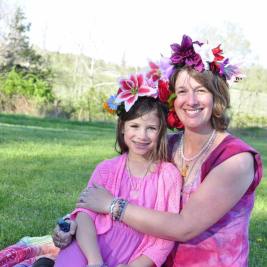 and share since 2008. She plans and facilitates women’s circles, seasonal retreats and rituals, mother-daughter circles, family ceremonies, and red tent circles in rural Missouri. She is a priestess who holds MSW, M.Div, and D.Min degrees and wrote her dissertation about contemporary priestessing in the U.S. Molly and her husband Mark co-create Story Goddesses, original goddess sculptures, ceremony kits, mini goddesses, and jewelry at Brigid’s Grove. Molly is the author of Womanrunes, Earthprayer, the Goddess Devotional, She Lives Her Poems, and The Red Tent Resource Kit and she writes about thealogy, nature, practical priestessing, and the goddess at Patreon, Brigid’s Grove, and Sage Woman Magazine.


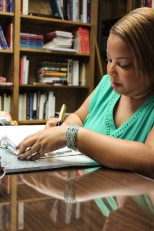 Last week, I attended a film festival in Waco, Texas that showed the 2019 documentary This Changes Everything. Spending Friday evening at a film festival seemed like an enjoyable and appropriate way to kick off a weekend that would culminate with the Academy Awards (the Oscars). I had no idea that this film would inform the way I viewed the movie industry and its most celebrated awards show. It did change everything for me.
 A lof of people have been raving about the Superbowl Halftime show, and for good reasons.
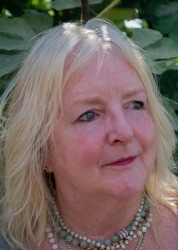 The term “panpsychism” is made up of two Greek words: pan, meaning all, and psyche, often translated mind or soul. Panpsychism is the view that (forms of) soul or mind or consciousness are found throughout the web of life. This view is in contrast to the traditional western philosophical and theological consensus that having a soul or a mind is what sets human beings apart from other forms of life. In contrast, mystics, children, and many indigenous people assume that human beings are not the only form of life with consciousness.
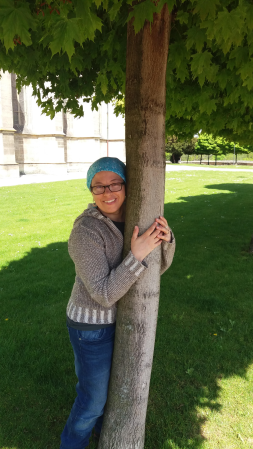 Tomorrow is Tu B’Shevat, the New Year of the Trees, or their birthday. It is the day of the year when all trees, regardless of when they have been planted, turn another year older. The rabbis standardized this day in an effort to minimize complexities, since in the land of Israel, fruit can only be eaten from trees that are four or older (Leviticus 23-25). Tu B’Shevat, then, on a practical level, marks how old fruit bearing trees are.
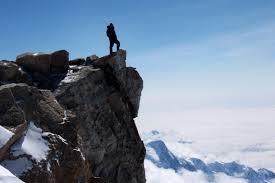

 I have been thinking of moving to Crete for almost two years. I signed the pre-contract for my new apartment in Heraklion on September 28 last year and anticipated signing the final contract in October. However, the owner did not submit his paperwork until the end of November, and little work gets done in Greek offices over the holidays. Moreover, the sitting tenant was doing just that. She been asked to move in July, and with an expired lease, she lost the formal eviction case in October. The realtor and the owner felt certain she would move before the holidays. She did not.
 Feminism and Religion