
Move Your Spirituality: Transforming Symbols into Embodied Knowing

A question I’ve been exploring for most of my life is: what changes when we move our spirituality, or let movement become our spiritual practice? In this essay I offer some characteristics of a moving spirituality that I explored in my PhD and later in my book Dancing in the Muddy Temple: A Moving Spirituality of Land and Body.
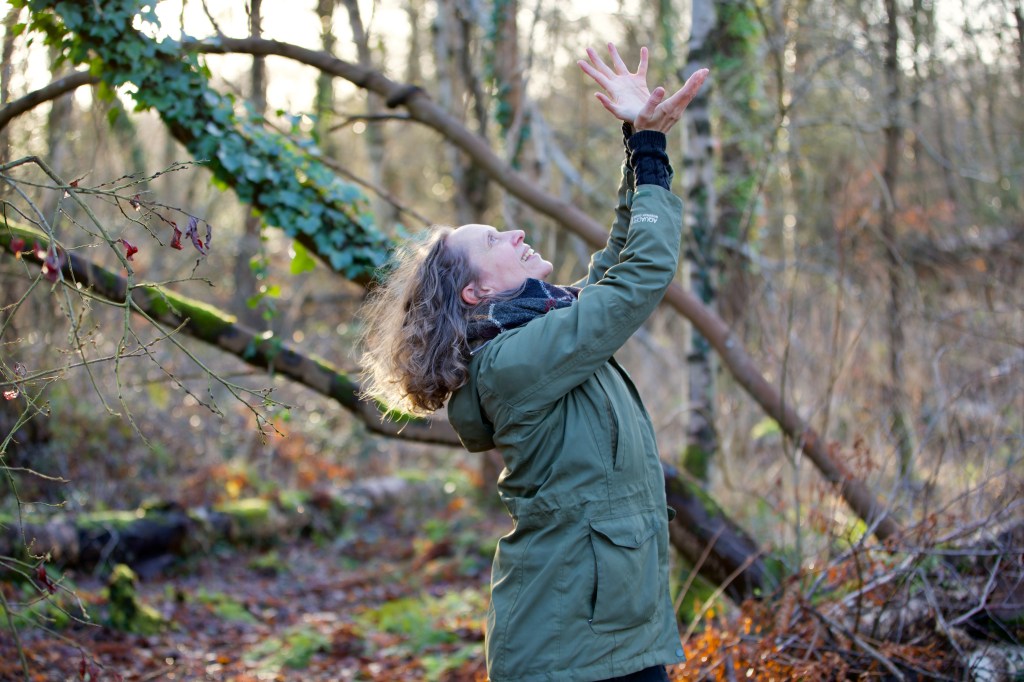
Dove in the Branches. Image by Andy Murray

Movement is about Connection & Transformation

First of all, movement adds a different language for encountering the sacred. It’s not just ‘sitting still and emptying the mind’, or ‘dancing ecstatically’ (did you know that ecstasy means something like ‘having the god within’?).

Instead, it is a way of searching for and communicating with the layers of the seen and unseen world.… Recently I even start to see it as a way of encountering the mystery in the space between, between objects, emotions and thoughts.

Continue reading “Move Your Spirituality: Transforming Symbols into Embodied Knowing”
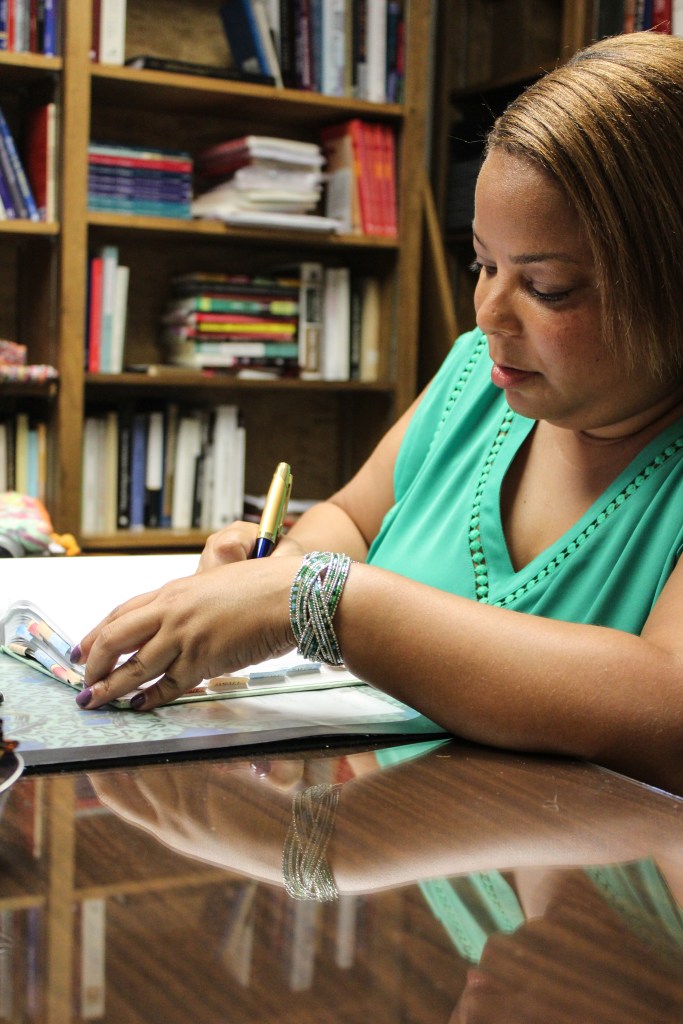
Considering Our Spaces in the Pursuit of Justice by Elise M. Edwards

This past summer, my friend and I were perusing the exhibits at the National Museum of African-American History and Culture when she urgently called for my attention.  “Psst… Isn’t this where you are from?” she asked, pointing at a placard titled African American Life in Montgomery County.  Yes!  I grew up, I was educated, and I was churched in Montgomery County, Maryland.  So I eagerly read the exhibit’s description:

By 1900 there were at least eight African American communities in Montgomery County, Maryland. Unlike many rural African Americans, the residents were not tenant farmers—they owned their property and homes.  This gave them greater control over the land and the crops they produced.  They also directly benefited from improvements to their homes, which was an incentive to make additions and to stay in place.  Descendants of these early settlers still live in these communities today. Continue reading “Considering Our Spaces in the Pursuit of Justice by Elise M. Edwards”

What Dorothee Soelle Taught Me about Creativity by Elise M. Edwards

Elise EdwardsI’m currently developing a book that considers how theological and ethical considerations in architectural design can define good architecture.  My book discusses five virtues related to the architectural design process that promote human participation in bringing out God’s intention of flourishing for humanity and creation.  Those five virtues (or values) are: empathy, creativity, discernment, beauty, and sustainability.  In the book, I’ll explain how these virtues orient design tasks to the social and ethical aims of architecture.

In this virtual space, I want to have a discussion about what these virtues mean from a feminist standpoint.  In my writing, I draw from theological ethics, architectural theory, and feminist theory to emphasize community discernment and participation.  It’s fitting, then, to claim opportunities in my work to acknowledge the feminists who have influenced me while also opening up the dialogue to the feminists in this community who continue to inspire and guide me to do my best work. Continue reading “What Dorothee Soelle Taught Me about Creativity by Elise M. Edwards”

A Calling, A Vocation by Elise M. Edwards

Elise Edwards

In my previous post The Feminist Influence, I began discussing what a feminist perspective might bring to a theological study of architecture.  I asserted that a feminist perspective on the ethical function of architecture offers at least two contributions: (1) it provokes questioning about what flourishing is for all peoples and the Earth, and (2) it provokes examination of systems of power and privilege and how they are constructed into our built landscape.  I think a feminist vision of architecture could help all of us (even those of us who are not design professionals) promote design that respects and responds to our environment, addressing the harm we have done.  I do want to give some thought, though, to what it means especially for architects and other design professionals. Continue reading “A Calling, A Vocation by Elise M. Edwards”

The Feminist Influence by Elise M. Edwards

Elise Edwards

In these past few months, as I’ve been finishing my dissertation about a theological and ethical perspective on architecture, I’ve had the pleasure of speaking often about my work.  In March, I was invited to give a talk at a symposium titled “On Christ and Architecture” at Judson University.  As they introduced me, the speakers noted that I am a black feminist.  Because of the brevity of my presentation, I didn’t speak about things that most people associate with feminism. So I was especially excited when at the end, one of the organizers complimented me by saying, “I really see the feminist influence in your work and I thank you for bringing that to us.” So exactly what does a feminist perspective bring to a theological study of architecture?

Perhaps first I should explain what my theological study of architecture is.  The purpose of architecture is sometimes understood as aesthetic or functional—to either make buildings that look nice or serve their purposes well (or both).  However, I discuss an ethical approach that expands this common understanding of architecture.  Grounding my research in philosopher Karsten Harries’ The Ethical Function of Architecture and theologian Timothy Gorringe’s A Theology of the Built Environment, I argue that architecture presents interpretations of a community ethos, or way of life, for its specific time and place.  These representations can either promote or inhibit human flourishing, and therefore, are the proper concern of Christian theology and ethics, which is concerned with questions about how Christians and those in the broader society are to live rightly in the world. Continue reading “The Feminist Influence by Elise M. Edwards”