


These are trying times for all sentient beings. We are all carrying the intensity and stress in our bodies and spirits. I feel it. You feel it. In fact, we are feeling it together—sharing an experience even though interpreting and understanding it in our own unique ways.
As a person of faith, I believe we are on a collective healing journey. As a feminist, I believe that journey continues to involve extended uphill challenges because of intersecting systems of oppression. And that is how I understand this particular moment in time—a healing journey in a difficult uphill section on the path. As a human collective we are healing uphill.
Healing uphill can feel like too much to bear sometimes. Healing uphill is the experience of having more and more challenges heaped on your back when you are already tired and struggling to keep going. Healing uphill is like trying to take care of yourself when you lose your job in a global pandemic and one of your kids gets sick and your landlord tells you that you are late on your rent and then your spouse comes home angry and blames you for all the stress and, well… you get the picture. Healing uphill is when you can’t seem to catch a break and things seem to just keep getting worse.
Continue reading “Healing Uphill”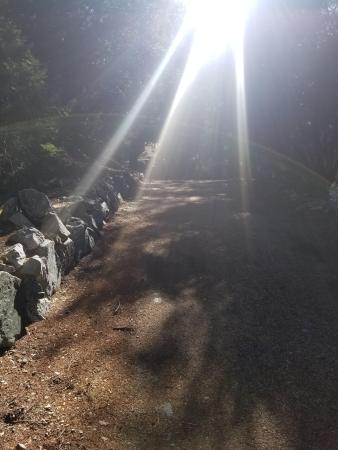
 In a recent post I wrote about
 This week’s Torah portion is Vayikra (Leviticus 1:1 – 5:26). Vayikra is essentially one long discourse on animal sacrifice with an occasional grain or oil offering included. This killing of animals, their subsequent burning and the shared eating of their flesh was the predominate way deities were worshipped in ancient Canaan. It was believed that the smell of cooking meat appeased the gods and most importantly stifled their anger. It is no wonder then that the ancient Israelites so integrated within the surrounding culture adopted similar methods of worship.

 I’m sitting on my meditation pillow for the thousandth time searching for clarity. Initially, going within feels like traversing a jungle; swinging from one thought branch to another. I’m itching for some peace and I’m almost certain this isn’t the way to it. But, I’ve been here before and I won’t quit breathing through the discomfort. I know I will greet the inner goddess soon enough. Getting past the noise is part of accessing her wisdom. The noise teaches me discernment (if I allow it to).
 My dear friend Carol Lee Sanchez once told me that the women of the Laguna Pueblo– whose culture is an egalitarian matriarchy–taught her that women must choose their men, not wait for the men to choose them.* This was a new idea for me, and though I was attracted to it, I found it difficult to assimilate. The reason I did not understand what Carol Lee was teaching me was that I was still operating out of a patriarchal binary: either the man was in control, or the woman must be.
 Feminism and Religion