


Creation of artist Jym Davis.
As a film history professor, I am intimately aware that women’s representation on screen is historically lacking. While preparing to teach a new course, I found myself hard-pressed to uncover significant academic discourse that highlights the divine feminine that doesn’t solely live in the realm of a Christian worldview. Indeed, film scholar Tenzen Eaghll points out that much of the existing scholarship from the past 100 years “all tend to equate religion with Christian theology in some manner, and … focus[es] narrowly upon Christian themes such as Jesus, salvation, faith, etc.” He states that scholars of religion and film essentialize all religion as Christianity, and that many scholars of cinema additionally speak of religion as an all-encompassing umbrella organization giving us a condensed notion of a shared theological worldview, devoid of nuance and alternate meaning. Eaghll goes on to argue, as I do, for a more critical approach to the study of film that requires us to pay closer attention to how “representations of religion in film conceal issues of race, class, gender, colonialism, secularism, and capitalism – common themes in ideological critique – as well as notions of origin, authenticity, narrative, violence, and identity.” I believe the solution lays in the inclusion of women’s visionary films.
Continue reading “The Case for Women’s Visionary Films by Freia Serafina”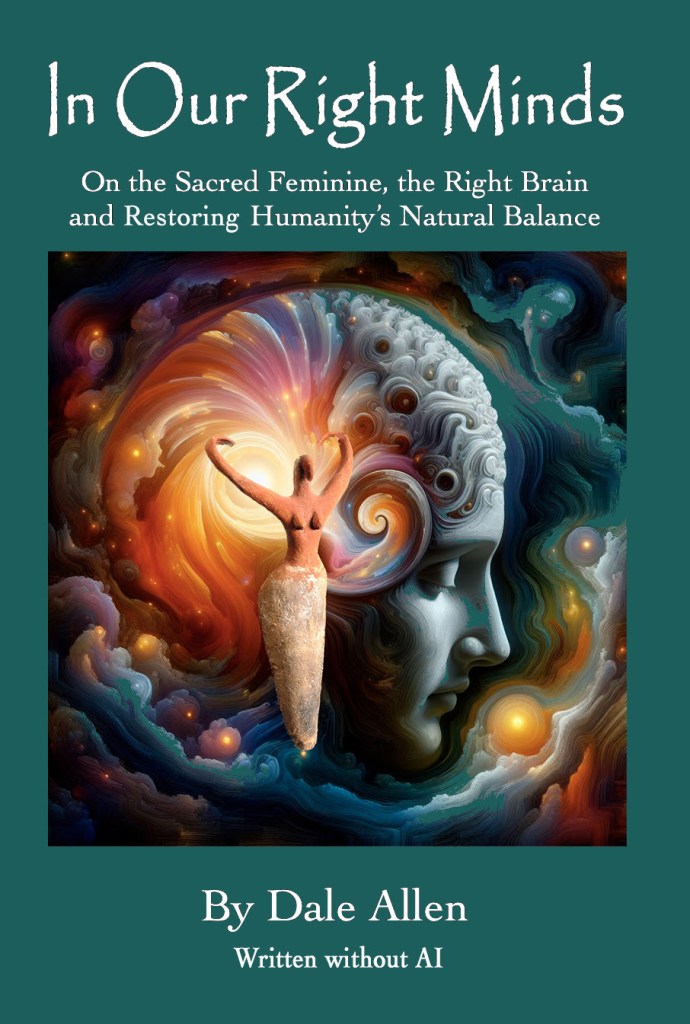

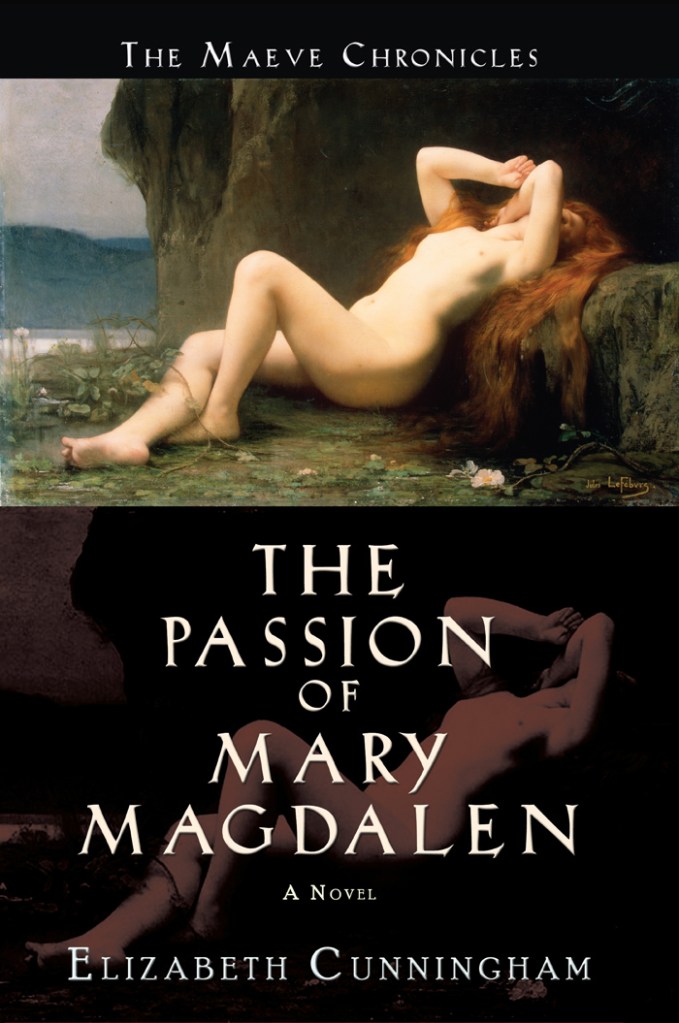

 …and Ella can’t remember the last real meal she had. After supper with the refugees in the witch’s house, she and the witch put their heads together to begin making significant plans. She’s also been meeting all the refugees who now live on the witch’s farm. She knows first-hand why these people fled the capital and the other cities. “Oh, lordy, yes,” she says. “I used to know all the important people. My dear sisters and I went to all the big events, ate the finest cuisine—” suddenly remembering where she is, she looks down at the table “—oh, dear, but I don’t mean to criticize your cuisine.”
 Feminism and Religion