


See here to read Part I of the Devotional.
Friday:
Thought for the day:
The Roman authorities executed Jesus for sedition because he posed a threat to their hegemony: their wealth and their oppressive, imperial domination system of exploiting others for profit. Jesus spoke out against their injustice, and his message resonated with the 99%. People were beginning to listen; momentum was growing. So the Empire snuffed out that “Rebel Scum” in their most excruciating, punishing, degrading form of execution. According to the logic of imperial domination, Jesus’ death should have been a humiliating, final defeat.
Instead, his movement lived on and on, grew and grew. The symbol of Imperial execution — the cross — should have symbolized the wrongness, the lack of Divine sanction, the complete Divine rejection of Jesus’ ideas, according to Empire. Instead, the Jesus Movement reclaimed the cross from an Imperial symbol of shame and turned it into a symbol of victory. Paul, the feminist liberationist prophet most responsible for the survival and spread of the Jesus Movement, repeatedly wrote that the Jesus Movement follows Christ Crucified. Paul’s message seemed scandalous and confusing— lifting up a symbol of horror, death, and defeat as proof of victory? Why? How?
Continue reading “Feminist Holy Week Vaginal Christology Daily Devotional — Part 2 by Trelawney Grenfell-Muir” Dedication: I dedicate this writing to all animals, women, children who have been violated, brutalized or murdered by men.



 I have a vivid childhood memory of being sick with the stomach flu and standing in the doorway of my parents’ bedroom looking for my mother. Her care for sick children was tender and thorough. She would bring us ginger ale and toast with jelly. When she had time, she read us stories. I can remember her steering me, heavy with fever, back to a bed that she had magically smoothed and cooled. But that day my mother lay in her own bed in an old nightgown, not stirring. She had the flu, too, and could not get up to care for the rest of us. It was a shocking and sobering moment.

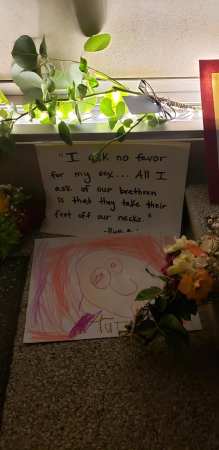
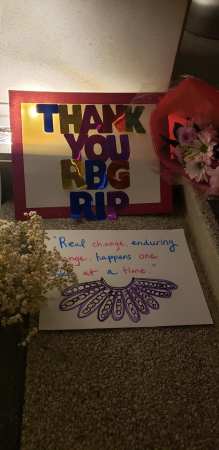
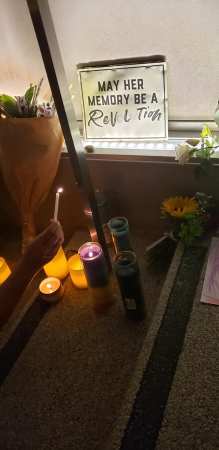
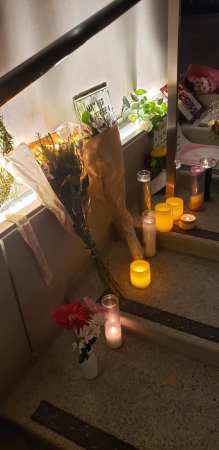
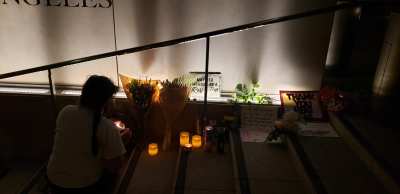
 On the eve of the Jewish Sabbath and the start of Rosh Hashanah, Supreme Court Justice Ruth Bader Ginsburg breathed her last breath. She was 87. She fought so hard for so long. She is an American patriot, hero, champion for women’s rights, and for many she was the stalwart bastion of justice and ‘liberal’ rulings. She was a Supreme Court Justice for 27 years. Her life has been put into books, a movie, and the most notorious memes around. She became known for elaborate collars over her Justice robes. We mourn the lost of her, we celebrate her memory, and we must pull up our boots and continue the fight.
