Well, he didn’t do it for the glory, that’s for sure.
Maybe he did?
He’s gone. When you immolate –you’re gone. What glory is there in that?
Well, the reason he did it—as I understand it—is because the world is burning up anyway. He made a statement.
Exactly- a single statement. So, who’s getting the glory?
I mean we don’t know the entire impact it has. He took his life for God’s sake. On the Supreme Court steps. April 22, 2022. It means something. He knew he would be immortalized.
But, what difference does it make if he’s gone? I think it was a waste. I wish he would have run for –anything. School Board! Someone that committed should have stuck around and tried to do something.
He did do something. It’s just…he made the ultimate sacrifice.
I’m sorry. He killed himself. And so…we’re left here without him. Without someone who was that committed as an activist.
The world is burning up. We won’t last another thirty years. So good for him for taking a stand. He was a Buddhist monk, right? Good for him.
Well, here’s a hero now. And I bet he’s a hero to Buddhist monks, too. Wynn Alan Bruce? He was a climate activist, not just a hippie. I mean, I’ll give you that he may never be well-known. But he’s known. Just not well- known.
I’m sitting in my parents’ balcony in Pune, India, on a quiet morning. Well, this being a bustling Indian city of six million, it can’t really be quiet. As I sit with cup of tea in hand, I try and meditate – I’ve been practicing mindful meditation of late, and so, rather than block out the noises, I embrace the various sounds that make up this Monday morning.
I count the variety – sparrows gently chirping away while a noisy crow tries to outdo them in a contest he easily wins, a street hawker starting his day (and ours) on a rather cacophonous note, the sweeper from the neighbouring complex pouring his heart and soul into cleaning the grounds that will need re-sweeping in an hour or two, the put-putting rickshaw carrying squawking kids to the school down the alley, chirping chipmonks that temporarily develop wings as they fly from branch to branch in a cheerful chase, the honking car warning of its over-the-limit speed (reaffirming the fact there are two things we Indians especially love: honking for no reason, and breaking traffic rules), my mother’s footsteps as she peers out to see what I’m doing by myself…nine in all.
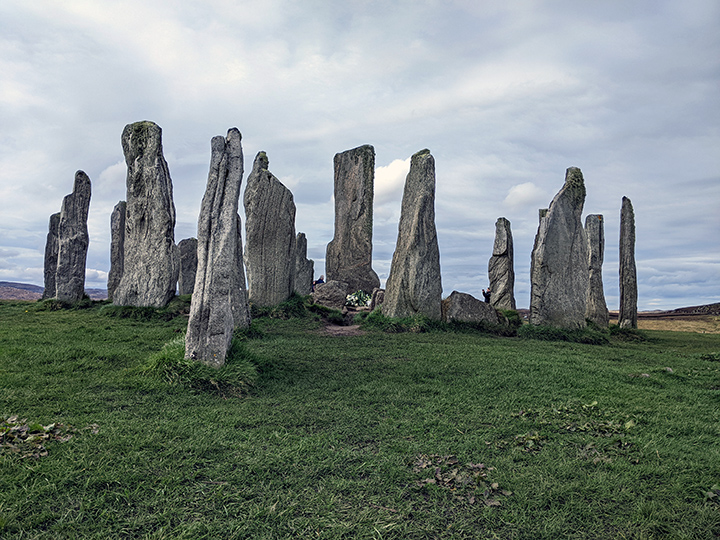
Moving from town to town – by train, bus and ferry – I have walked and walked the ancient land of the Scottish Highlands. From Paleolithic to Mesolithic to Neolithic and on to Picts, Celts, Scots, Romans, French and English – many different people have walked these same paths.
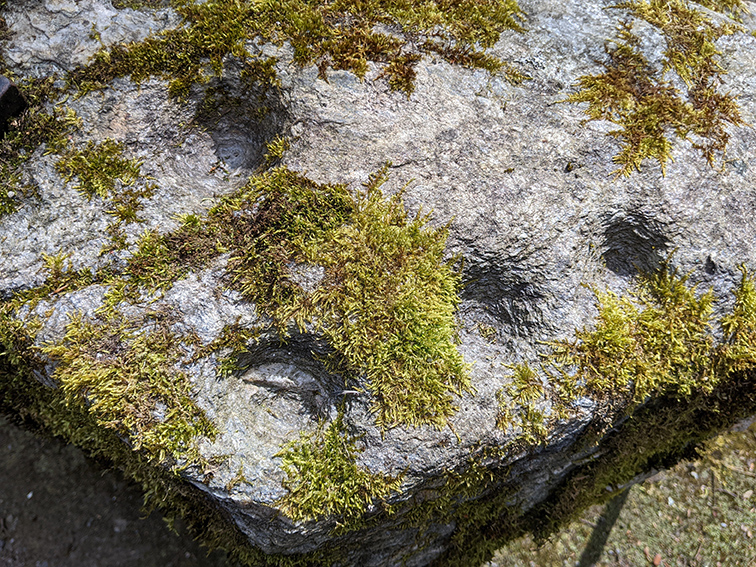
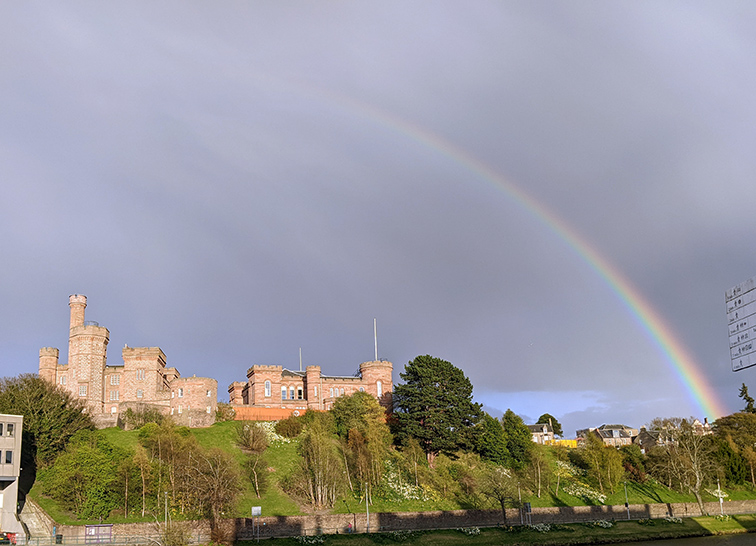
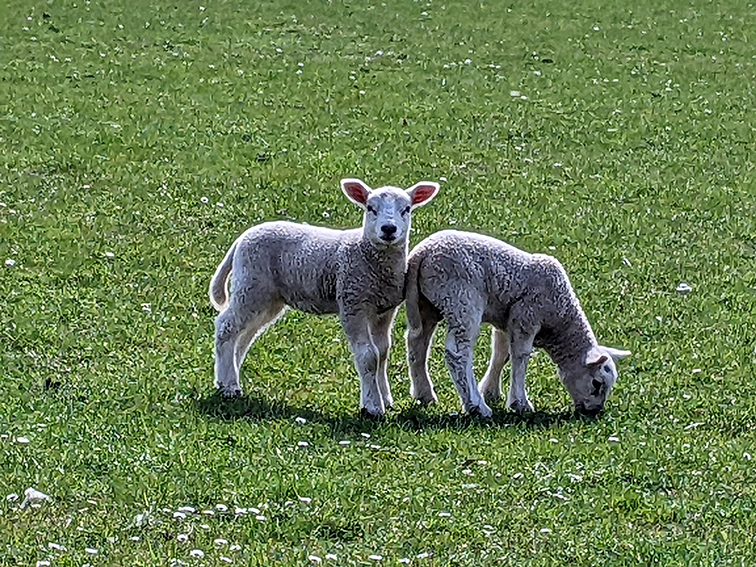
Standing Stones, Cupmarked Stones and Pictish Stones along with medieval castles, monuments, graveyards to soldiers lost in centuries of battles and sheep, always sheep – pepper the landscape everywhere.
The Callanish Stones – circa 3500 BC – Isle of Lewis, Outer Hebrides, Scotland
Cupmarked Stone, Aberfledy, Perthsire
Pastures of Fortingall – a very small village in Perthshire, Scotland
Graveyard to soldiers lost to war, Fort William, Scotland
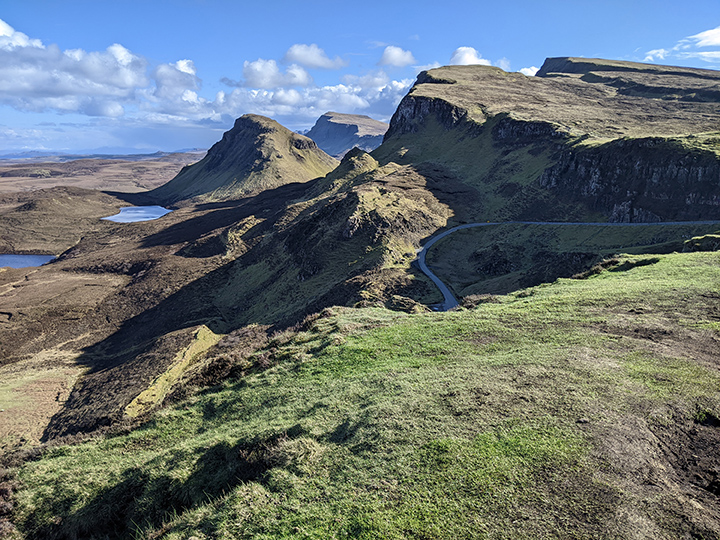
This land was formed millennia ago when Mother Earth first birthed herself from the waters of our beginnings. Through epochs of volcanic spewings, earthquakes, continents splitting, the ice advancing and retreating – change, always change, remains the one constant. Here in this high land, one is reminded of the smallness of our individuality.
Isle of Skye, East side of island formed by tectonic plate movement
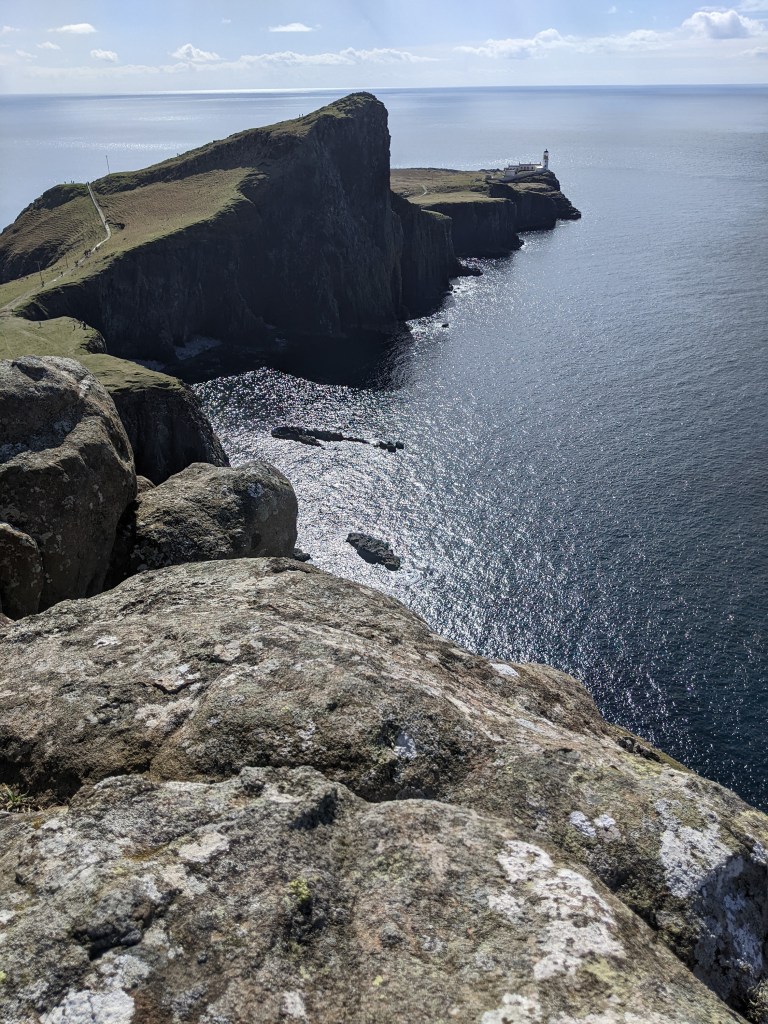
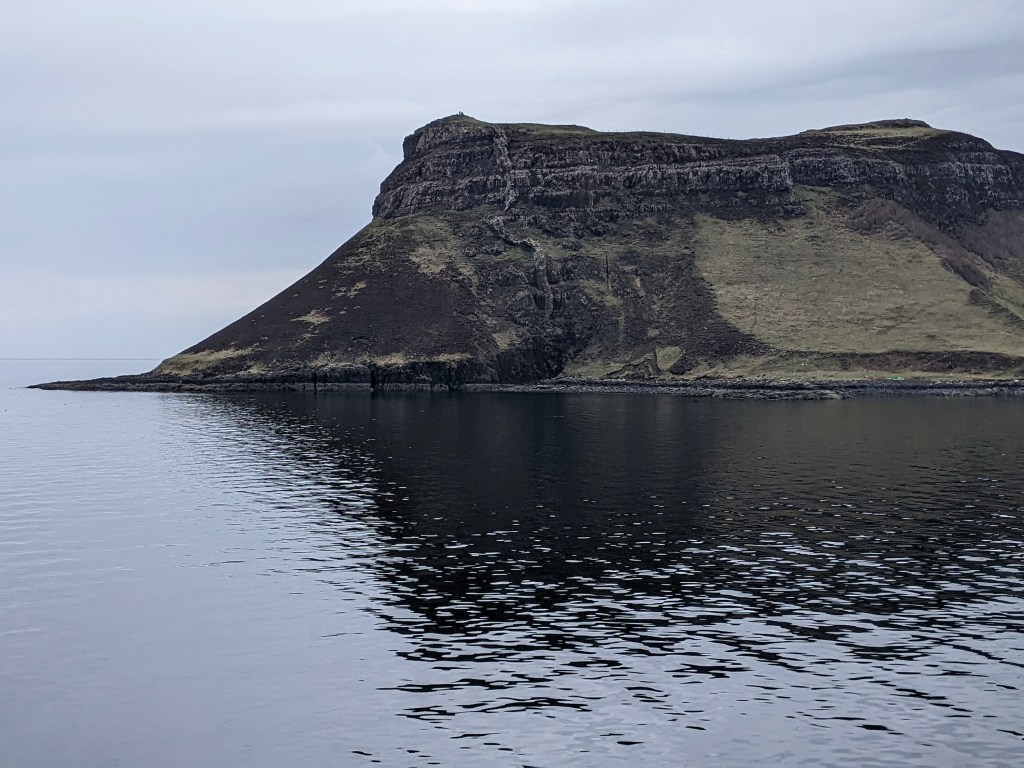
Niest, most westerly point on Isle of Skye
Tales of goddesses, gods, faeries, giants, monsters and countless heroines and heroes inhabit the land.
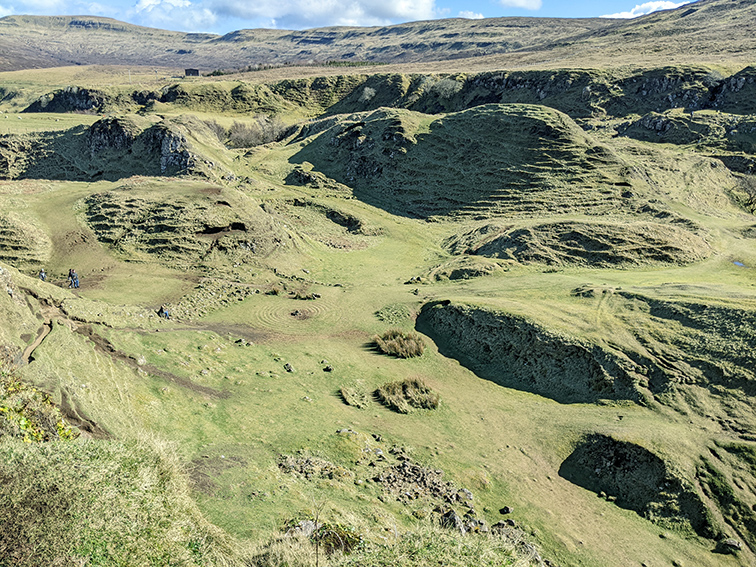
After the ice receded – the Faery Glen, Isle of Skye
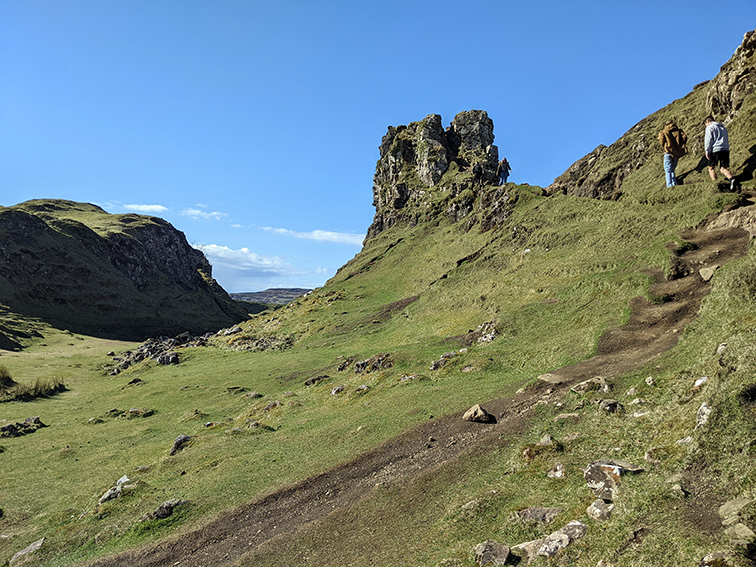
The Faery Glen – another view
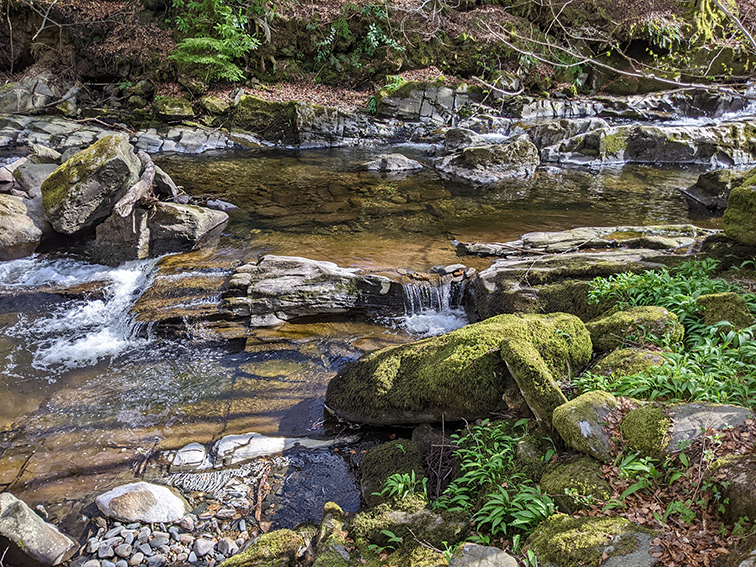
All along this way the Ancient Ones have whispered to me – whispered through the rushing streams and babbling creeks, joyous bird song, waves murmuring, waves crashing against the shore, and wind howling through the air.
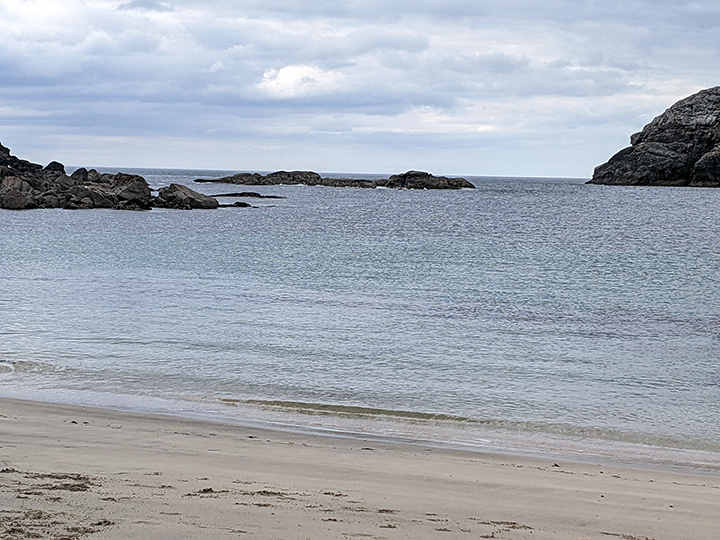
A beach on the Isle of Lewis
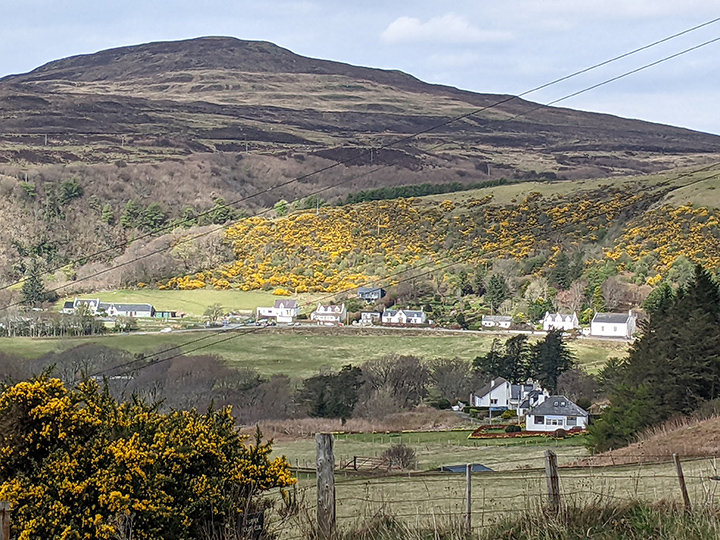
It has rained and rained and yet one day the sun emerged, revealing the vibrant green, green, green – everywhere green – temporarily lifting the blue grey mists and the brown, brackish swaths of horizon.
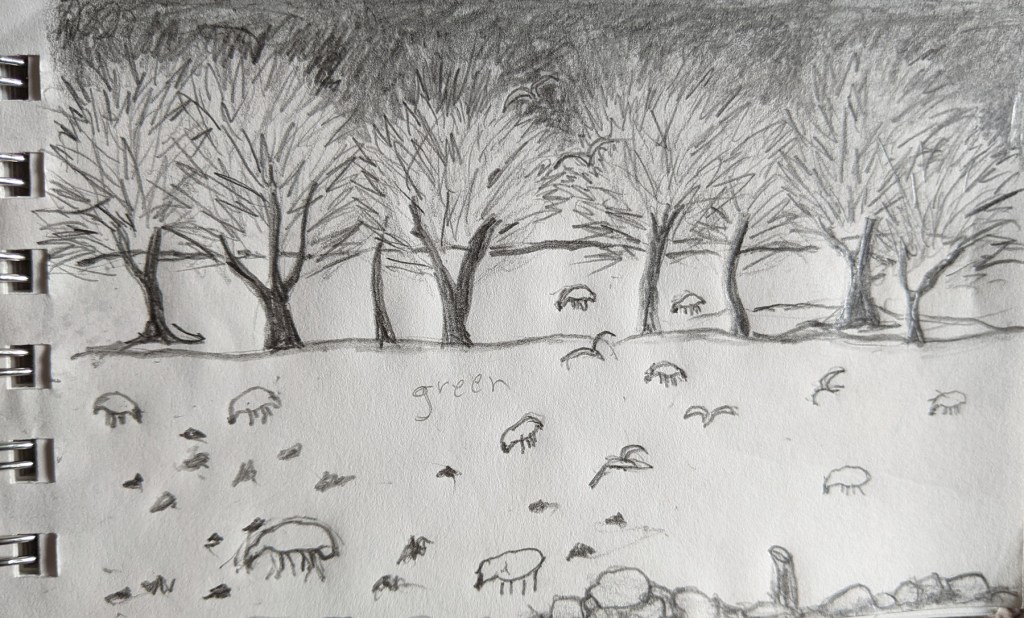
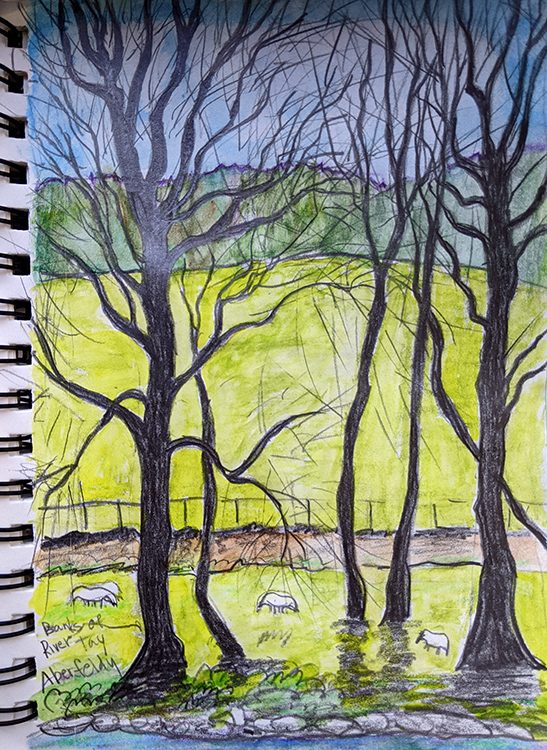
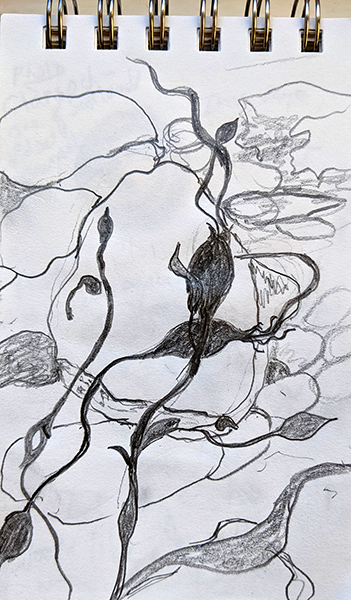
Every moment has been a joyous exaltation of our beautiful Mother Earth. And of course, along the way I was drawing. Here are a few sketches or dream remembrances.
Sheep, Birds and Trees
On the Banks of the River Tay
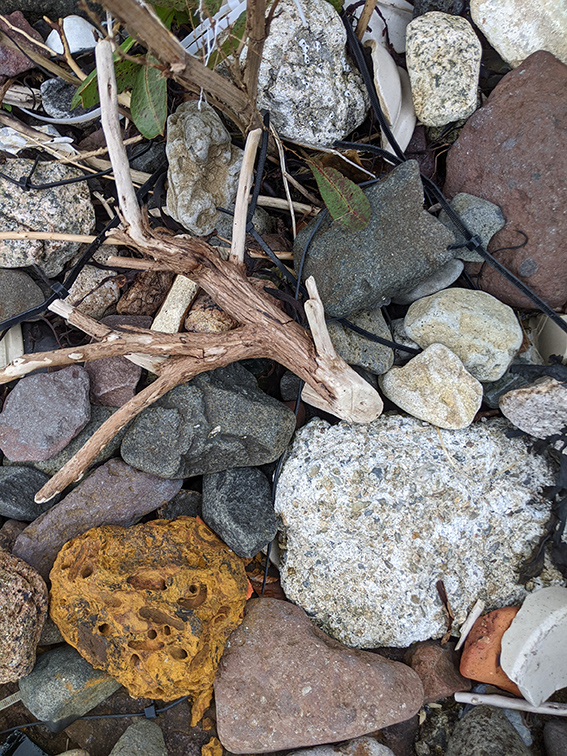
Seaweed and Rocks
Loch Dreams
And one day there was snow!
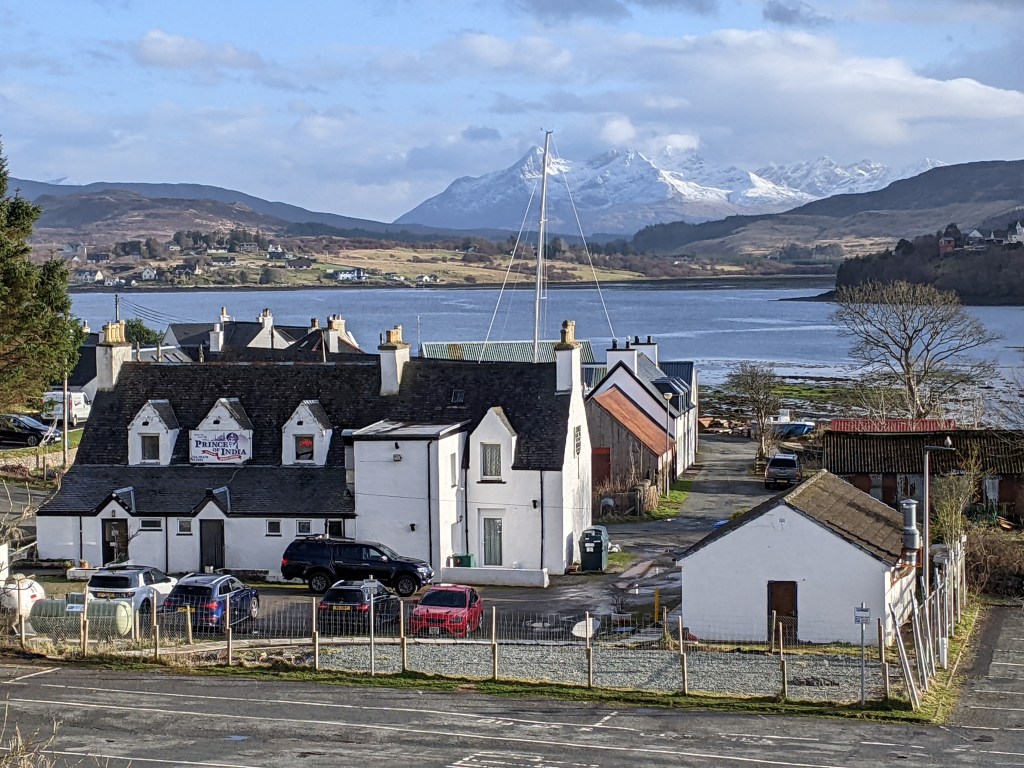
I’ll leave you with just a few more photos – big vistas, trees and small things – all parts of the beauty found in this ancient land of Mother Earth – our mother who sustains and supports us through all time.
Leaving Uig, Isle of Skye by ferry
Uig, Isle of Skye
Judith’s deck of Celtic Goddess Oracle Cards is available now. You can order your deck from Judith’s website – click here. Experience the wisdom of the Celtic Goddesses!
Judith Shaw, a graduate of the San Francisco Art Institute, has been interested in myth, culture and mystical studies all her life. Not long after graduating from SFAI, while living in Greece, Judith began exploring the Goddess in her art. She continues to be inspired by the Goddess in all of Her manifestations. She is now working on her next deck of oracle cards – Animal Wisdom. Originally from New Orleans, Judith makes her home in New Mexico where she paints as much as time allows and sells real estate part-time. Give yourself the gift of one of Judith’s prints or paintings.
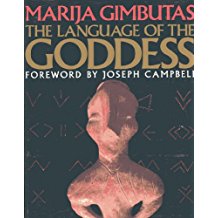
Marija Gimbutas coined the term “Old Europe” c.6500-3500 BCE to describe peaceful, sedentary, artistic, matrifocal, matrilineal and probably matrilocal agricultural societies that worshipped the Goddess as the power of birth, death, and regeneration in all of life. Gimbutas argued that Old Europe was overthrown by Indo-European speaking invaders who began to enter Europe from the steppes north of the Black Sea beginning about 4400 BCE. The Indo-Europeans were patrilineal and patriarchal, mobile and warlike, having domesticated the horse, were not highly artistic and worshiped the shining Gods of the sky reflected in their bronze weapons.
In the fields of classics and archaeology, Gimbutas’s work is often dismissed as nothing more than a fantasy of a “golden age.” In contrast, scholars of Indo-European languages, Gimbutas’s original specialty, are much more likely to accept the general outlines of her hypothesis. The German linguist and cultural scientist Harald Haarmann is one of them.
As Luke’s Gospel tells it, at the beginning of Jesus’ public ministry, the devil comes to him in the wilderness and tempts him.[1] First, the devil latches onto Jesus’ hunger after forty days of fasting: “If you are the Son of God, tell this stone to become bread.”[2] Then, he shows Jesus “all the kingdoms of the world.” He says, “I will give you all their authority and splendor; it has been given to me, and I can give it to anyone I want to.If you worship me, it will all be yours.”[3]
I’ve been thinking about this second temptation: all the authority and splendor of the kingdoms of the world. All can be yours. You just have to worship me. Did Jesus find this appealing? Personally, I find it a little hard to relate to. I have zero interest in ruling the kingdoms of the world, however splendid they might be. The whole proposition sounds like too much limelight and far too much stress. Thank you, devil, but I’m good.
Rather than being a bleeding image of female disempowerment, Medusa may be read as…one of the most ancient European symbols of women’s spiritual abilities… [and] an empowering image of feminine potential.’
–Patricia Monaghan, O Mother Sun! (1994:244)
The name Medusa means ‘sovereign female wisdom,’ ‘guardian / protrectress,’ ‘the one who knows’ or ‘the one who rules.’ It derives from the same Indo-European root as the Sanskrit Medha and the Greek Metis, meaning ‘wisdom’ and ‘intelligence.’ (1) Metis, ‘the clever one’, is Athena’s mother. Corretti identifies Athena, Metis, and Medusa as aspects of an ancient triple Goddess corresponding respectively to the new, full, and dark phases of the moon. (2) All three are Goddesses of wisdom, protection, and healing.
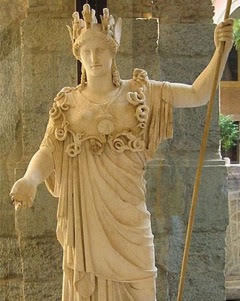
Athena with Gorgoneion in her heart. 5th C BCE.
Athena and Medusa are particularly linked: indeed, one may have been an aspect of the other, ‘two indissociable aspects of the same sacred power.’ (3) Their many common elements include snakes, wings, a formidable appearance, fierce eyes and powerful gaze. The serpent, like the Goddess, has been cast as an embodiment of evil in patriarchal retellings; yet as Merlin Stone points out, serpents were ‘generally linked to wisdom and prophetic counsel’, associated with ‘the female deity’ and ‘entwined about accounts of oracular revelation…throughout the Near and Middle East.’ (4) According to Ovid, the poisonous vipers of the Sahara ‘arose from spilt drops of Medusa’s blood.’ (5) Although this is presented as a further sign of Medusa’s horrifying character, the original Berber inhabitants of North Africa – where Herodotus reports that the Medusa myth began – viewed snakes as bringers of luck and portents of joy. (6)
Modern architects and urban planners have recently been designing buildings and urban spaces promoting values reminiscent of Old Europe and other societies with similar values. These societies are often referred to as “matriarchal.” However, there is ongoing discussion among scholars about what to call them. For this post, we will use Heide Goettner-Abendroth’s lovely term “societies of peace.” To read more about these societies, modern desires to live in communities similar to these societies, and modern efforts to promote social interaction and beauty, please click here to read Part 1.
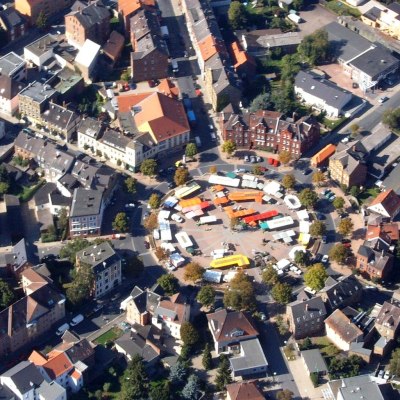
Modern Mixed Use Development with Buildings Facing Each Other in a Circle
Is a peaceful, just, creative, sustainable world a far-off, unattainable dream or might there be ways to begin to build such communities right in our own neighborhoods?
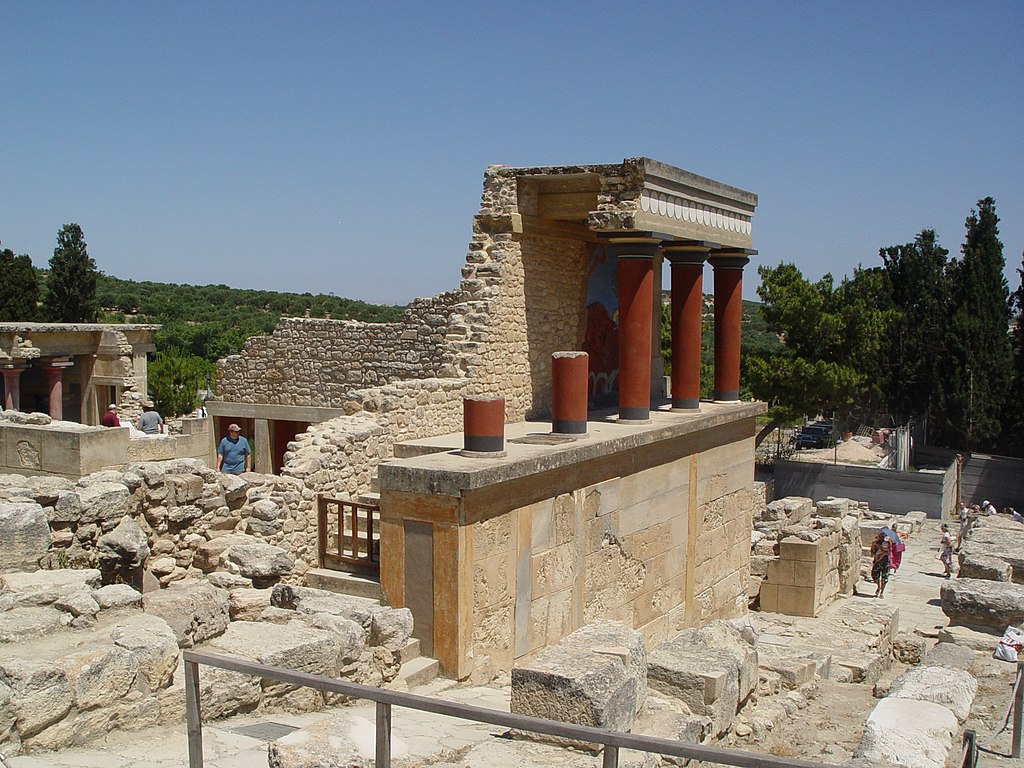
Archeologists and scholars like Marija Gimbutas, Heide Goettner-Abendroth, and Carol Christ have studied societies from Old Europe and elsewhere that share some common characteristics. (These societies are often referred to as “matriarchal.” However, there is ongoing discussion among scholars about how to name these societies. For these posts, I’ll use Heide Goettner-Abendroth’s beautiful term societies of peace). These qualities include prioritizing caring social relationships, art and beauty, ecological responsibility, equality, commitment to consensus decision-making, and more. Researchers often cite how buildings, city and town layout, and outdoor spaces of these societies of peace reflect these values by featuring similarly-sized residences, beautiful frescoes depicting women and men in peaceful pursuits, a lack of warlike structures, and plazas and courtyards for social, civic, and religious events, among other attributes.
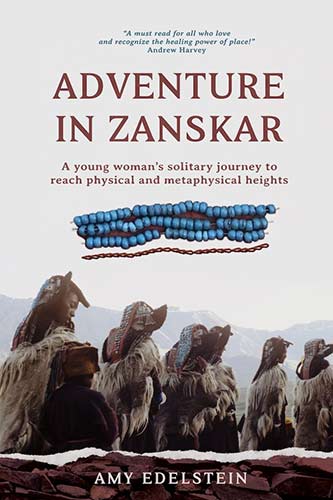
Subtitled: A young woman’s solitary journey to reach physical and metaphysical heights.
This is a fascinating book. Previously, my sparse Buddhism education had only consisted of reading fictional books representing the religion. I really enjoyed them. This is my first one that is a firsthand account of someone living and recounting an authentic Buddhist life.
The author, Amy Edelstein, describes an adventure she embarked upon in 1983 when she was 21 years old. Her pathway is paradigm that is probably as old as human culture – the spiritual pilgrimage. Edelstein set off by herself to walk across Zanskar, India, a place I was not familiar with. It is a sparsely populated at-altitude section of northwest India with mountainous passes that are over three miles high. To traverse the land, she walked over 300 miles which took her almost 40 days. She slept in caves, in nooks under the stars and, at times and by invitation, in villager’s homes. It is, by Edelstein’s account, a land of unparalleled beauty as well as a generous, welcoming population. I was swept up in the descriptions. Along the way, she met villagers, royalty, other pilgrims, high Lamas, and a few tourists. Her overarching goal was to follow her own heart both in her spiritual life and in her walking journey. Her quest was to find a deeper connection with her own Buddhist self. This included practicing mindfulness while connecting with local communities and with nature.













 Feminism and Religion